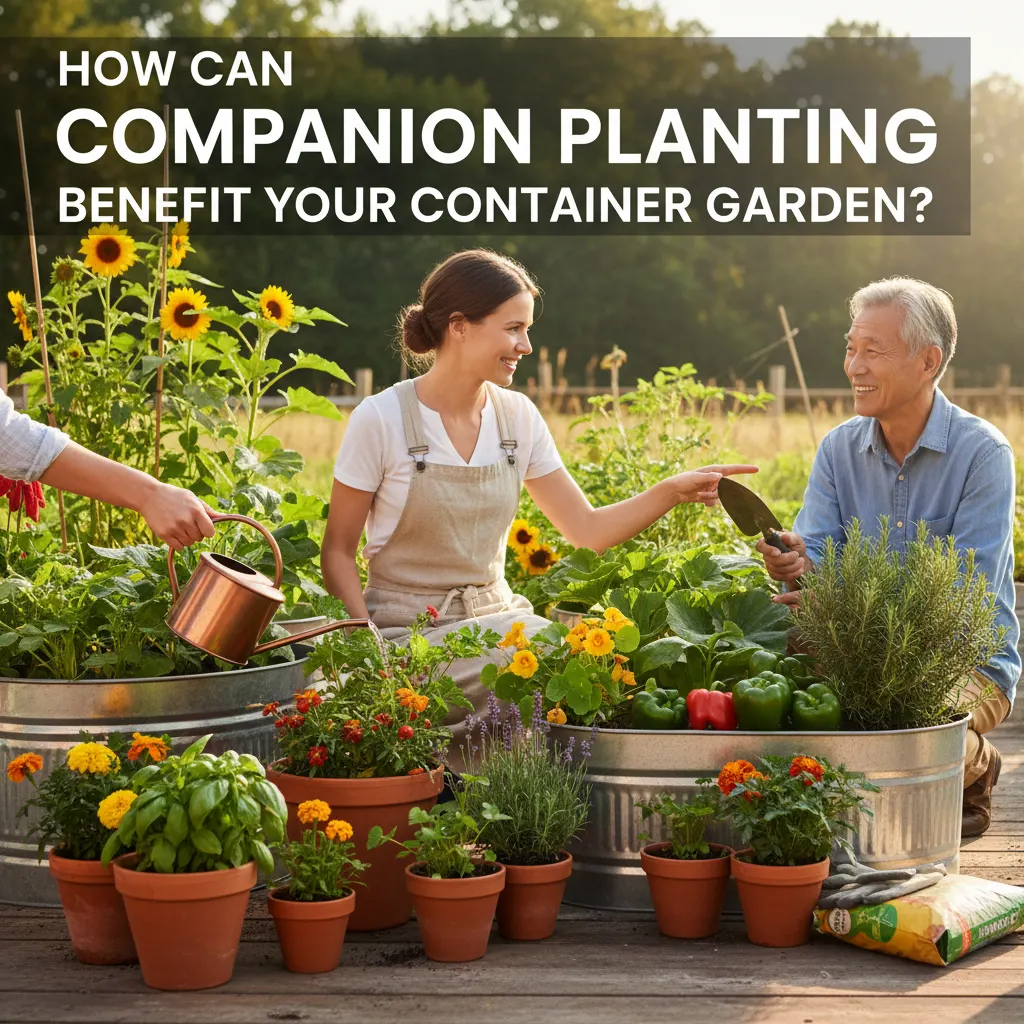
How Can Companion Planting Benefit Your Container Garden?
Companion planting in container gardens involves strategically placing different plant species together to enhance growth, deter pests, and improve overall plant health. This symbiotic relationship can lead to increased yields, better flavor, and reduced reliance on chemical interventions, making your container garden more productive and sustainable.
Container gardening offers a fantastic way to grow fresh produce and beautiful flowers, even in limited spaces. However, the confined environment of pots can present unique challenges, from pest infestations to nutrient depletion. This guide explores how companion planting, a time-tested horticultural practice, can transform your container garden into a thriving, resilient ecosystem.
What Are the Core Principles of Container Companion Planting? 🌱
Understanding plant interactions, such as pest deterrence, nutrient sharing, and shade provision, is key. Focus on plants with complementary needs for water, sunlight, and soil, ensuring they thrive together without competing excessively in a confined container environment.
Companion planting in containers is all about creating a miniature, balanced ecosystem. Unlike in-ground gardens, containers have limited soil volume and nutrient availability, making strategic plant pairings even more crucial. The goal is to foster beneficial relationships where plants support each other's growth and health.
Tip: Always consider the mature size of your chosen plants. Overcrowding is a common mistake in container companion planting and can lead to stunted growth and increased disease risk.
Key principles include:
- Pest Deterrence: Some plants naturally repel common garden pests, protecting their neighbors.
- Beneficial Insect Attraction: Certain flowers and herbs attract pollinators and predatory insects that control harmful pests.
- Nutrient Cycling: Legumes can fix nitrogen in the soil, benefiting heavy feeders planted nearby.
- Shade and Support: Taller plants can provide shade for sun-sensitive companions or act as natural trellises.
- Weed Suppression: Densely planted, compatible companions can help suppress weed growth, though less of an issue in containers.
Which Plants Deter Pests in Container Gardens? 🛡️
Marigolds repel nematodes and other pests, while nasturtiums can act as a trap crop for aphids. Herbs like basil and mint deter flies and mosquitoes, protecting nearby vegetables. Strategic placement is crucial for effective pest management in pots.
One of the most celebrated benefits of companion planting is natural pest control. By incorporating specific plants, you can create a protective barrier around your vulnerable crops, reducing the need for chemical pesticides. This is particularly valuable in container gardens where pests can quickly decimate a small planting.
Here are some effective pest-deterring companions for containers:
- Marigolds (Tagetes spp.): Known for repelling nematodes, whiteflies, and other soil-borne pests. Plant them around tomatoes, peppers, and eggplants.
- Nasturtiums: These vibrant flowers are excellent trap crops for aphids. Aphids prefer nasturtiums, drawing them away from your vegetables. They also deter squash bugs and cucumber beetles.
- Basil: Deters flies and mosquitoes, and is said to improve the flavor of tomatoes when planted nearby.
- Mint: While invasive in the ground, mint in its own pot or a contained section can deter ants, aphids, and flea beetles. Its strong scent is a powerful repellent.
- Garlic & Onions: Their pungent aroma deters aphids, slugs, and Japanese beetles. Great companions for carrots, lettuce, and brassicas.
- Rosemary: Repels carrot rust flies, slugs, and cabbage moths. A good choice for carrots, beans, and brassicas.
Warning: Ensure mint is planted in its own container or a very large pot with a root barrier, as it can quickly take over and outcompete other plants.
How Can Companion Planting Boost Container Yields? 📈
Pairing nitrogen-fixing legumes with heavy feeders like tomatoes can enrich soil. Taller plants can provide shade for heat-sensitive companions, extending their growing season. Maximizing vertical space and intercropping also contribute to higher yields.
Beyond pest control, companion planting can significantly enhance the productivity of your container garden. By optimizing resource use and creating favorable microclimates, you can achieve more abundant harvests from your limited space. This is especially important for urban gardeners aiming to maximize their food production.
Strategies for yield enhancement include:
- Nutrient Enhancement: Legumes like bush beans or peas fix atmospheric nitrogen into the soil, making it available to nearby plants. Planting them with heavy feeders such as corn, tomatoes, or leafy greens can reduce the need for synthetic fertilizers.
- Shade Provision: Taller plants, like determinate tomato varieties or small trellised cucumbers, can offer partial shade to heat-sensitive plants like lettuce or spinach during the hottest parts of the day, preventing bolting and extending their growing season.
- Space Maximization (Intercropping): Planting fast-growing, shallow-rooted crops (e.g., radishes, lettuce) between slower-growing, deeper-rooted plants (e.g., peppers, eggplants) allows you to utilize every inch of container space efficiently. By the time the larger plant needs more room, the smaller crop is often ready for harvest.
- Pollinator Attraction: Flowers like borage, calendula, and cosmos attract bees and other pollinators, which are essential for fruit set in many vegetable crops, leading to better yields.
What Are the Best Companion Plant Pairings for Container Vegetables? 🥕
Tomatoes thrive with basil and marigolds. Bush beans benefit from corn and squash. Carrots grow well with rosemary and lettuce. Always consider the mature size and root systems of plants to prevent overcrowding in containers.
Choosing the right partners is key to a successful container companion garden. Here are some proven pairings that work well in pots, keeping in mind their space requirements and growth habits.
Popular Container Pairings:
- Tomatoes:
- Basil: Improves flavor, deters flies and mosquitoes. Plant one basil plant per tomato plant in the same large container.
- Marigolds: Repel nematodes and other soil pests. Plant around the base of the tomato.
- Nasturtiums: Trap crop for aphids, can be planted at the container's edge.
- Peppers:
- Basil: Similar benefits as with tomatoes.
- Carrots: Can be planted at the base, as peppers grow taller.
- Spinach/Lettuce: Provide ground cover, keep soil cool, and are harvested before peppers get too large.
- Bush Beans:
- Carrots: Their root systems don't compete, and beans fix nitrogen.
- Rosemary: Deters bean beetles.
- Corn (dwarf varieties): Can provide a natural trellis for pole beans, though this requires a very large container.
- Carrots:
- Rosemary: Deters carrot rust fly.
- Lettuce/Radishes: Fast-growing, shallow-rooted crops that can be harvested before carrots need full space.
- Chives: Improve carrot growth and deter pests.
- Cucumbers (bush varieties):
- Radishes: Quick harvest, don't compete for nutrients.
- Nasturtiums: Trap crop for cucumber beetles.
- Marigolds: Pest deterrence.
Tip: When combining plants, ensure they have similar light and water requirements. A sun-loving, drought-tolerant herb won't thrive next to a moisture-loving leafy green.
What Plants Should You Avoid Planting Together in Containers? 🚫
Avoid planting fennel near most vegetables as it can inhibit growth. Keep brassicas (cabbage, broccoli) away from strawberries. Mint can be invasive, so it's best in its own pot or with very robust companions to prevent it from taking over.
Just as some plants are beneficial companions, others can be detrimental. These "bad neighbors" can stunt growth, attract pests, or alter soil chemistry in undesirable ways. In the confined space of a container, these negative interactions can be amplified, leading to poor plant health and reduced yields.
Common Incompatible Pairings for Containers:
- Fennel: Known to inhibit the growth of many plants, including tomatoes, beans, and kohlrabi. It's best grown in its own container.
- Brassicas (Cabbage, Broccoli, Kale, Kohlrabi):
- Strawberries: Brassicas can stunt strawberry growth.
- Tomatoes: Can inhibit growth of both.
- Mint: Highly invasive. While beneficial for pest deterrence, its aggressive root system will quickly choke out other plants in a shared container. Always plant mint in its own pot or a separate, contained section.
- Potatoes: Can attract blight, which can spread to tomatoes. Also, they are heavy feeders and can outcompete many other plants in a container.
- Onions/Garlic: While generally good companions, avoid planting them near beans and peas, as they can inhibit the growth of legumes.
Warning: Always research specific plant incompatibilities before planting. A quick search can save you from a season of disappointing harvests.
Step-by-Step: Implementing Companion Planting in Your Pots 🪴
- Research plant compatibility. 2. Choose appropriate container sizes. 3. Select plants with similar light and water needs. 4. Arrange plants considering mature size. 5. Monitor for pest and growth interactions.
Implementing companion planting in your container garden is a rewarding process that requires a bit of planning. By following these steps, you can set your potted plants up for success and enjoy a healthier, more productive garden.
- Research Plant Compatibility: Before buying any plants, consult companion planting charts or reliable online resources. Identify beneficial pairings and known incompatibilities for the specific vegetables, herbs, and flowers you wish to grow.
- Choose Appropriate Container Sizes: Select containers large enough to accommodate the mature root systems of all chosen companion plants. A general rule is to use at least a 15-gallon container for a tomato plant with companions, or smaller pots (3-5 gallons) for herbs and leafy greens.
- Select Plants with Similar Needs: Group plants that require similar amounts of sunlight, water, and soil pH. This simplifies care and ensures all plants in the container can thrive.
- Arrange Plants Strategically: Place taller plants in the center or back of the container (if against a wall) to avoid shading out smaller companions. Position pest-deterring plants at the edges or interspersed among vulnerable crops. Consider root depth – shallow-rooted plants can go around deeper-rooted ones.
- Prepare Your Soil: Use a high-quality potting mix that drains well and provides essential nutrients. Amend with compost to improve soil structure and fertility.
- Plant and Water: Carefully plant your chosen companions, ensuring adequate spacing for air circulation. Water thoroughly after planting.
- Monitor and Adjust: Regularly observe your container garden for signs of pests, diseases, or nutrient deficiencies. Note how your companion plants are interacting. You may need to adjust watering schedules or provide additional feeding if one plant is a heavy feeder.
Tip: Keep a gardening journal! Documenting your plant pairings, their growth, and any pest issues can provide invaluable insights for future seasons.
FAQ Section ❓
Is companion planting effective in small containers?
Yes, companion planting can be highly effective in small containers, but it requires careful planning. Focus on compact plant varieties and ensure the container is large enough to support the root systems of all chosen companions without overcrowding. Intercropping fast-growing, shallow-rooted plants with slower, deeper-rooted ones works well.
Can I use companion planting for herbs in pots?
Absolutely! Herbs are excellent candidates for companion planting in pots. Many herbs, like basil, rosemary, and mint (in its own pot), deter pests and can enhance the growth or flavor of nearby vegetables. You can also combine different herbs with similar light and water needs, such as rosemary and thyme, or parsley and chives.
How often should I water companion-planted containers?
Watering frequency for companion-planted containers depends on several factors: plant types, container size, weather, and potting mix. Generally, containers dry out faster than in-ground gardens. Check the soil moisture daily by sticking your finger an inch or two deep. Water when the top inch of soil feels dry, ensuring thorough saturation until water drains from the bottom.
What are some common mistakes in container companion planting?
Common mistakes include overcrowding containers, pairing plants with incompatible needs (e.g., sun vs. shade, high vs. low water), ignoring plant incompatibilities (e.g., fennel with most veggies), and not providing adequate nutrients for multiple plants in a confined space. Always research and plan before planting.
Where can I find more resources on companion planting?
Reputable sources include university extension programs (e.g., Cornell, UC Davis), which offer science-backed horticultural advice. Gardening magazines like Organic Gardening and Fine Gardening, as well as botanical garden websites, also provide valuable information and specific plant pairing recommendations.
Summary: Grow Smarter, Not Harder in Your Containers
Companion planting is a powerful, natural strategy to enhance your container garden's health and productivity. By understanding plant interactions, you can:
- Deter Pests Naturally: Reduce reliance on chemicals with plants like marigolds and basil.
- Boost Yields: Optimize nutrient use and space with strategic pairings.
- Improve Plant Health: Create a resilient ecosystem where plants support each other.
- Maximize Limited Space: Get more from your pots through intercropping and vertical growth.
Start experimenting with companion planting in your containers today. Observe, learn, and enjoy the benefits of a more vibrant, productive, and sustainable garden right on your patio or balcony. Your plants (and your harvests!) will thank you.