
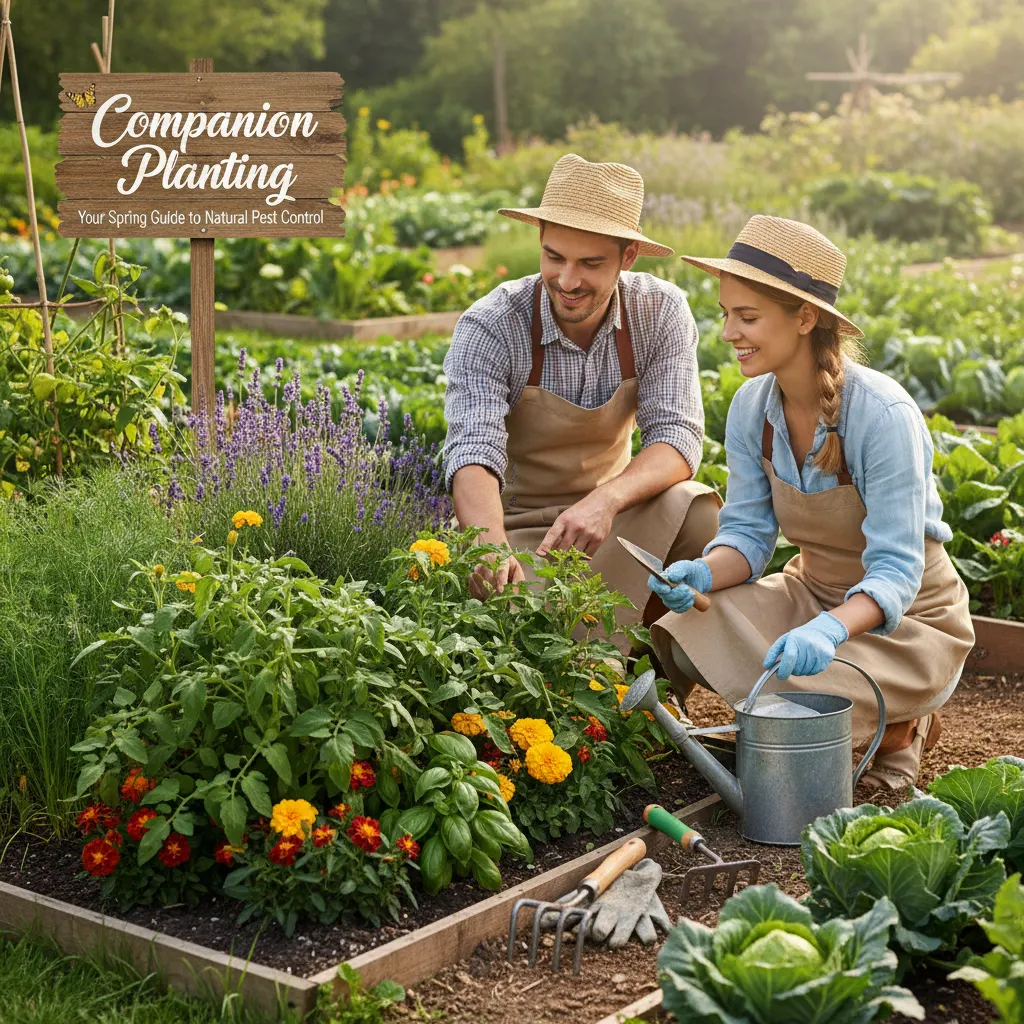
Companion Planting: Your Spring Guide to Natural Pest Control
Companion planting is an ecological gardening strategy that pairs specific plants to naturally deter pests, attract beneficial insects, and enhance plant growth. For spring gardens, this method offers a proactive, chemical-free approach to pest management, creating a balanced ecosystem that supports healthy plant development from the outset.
As spring awakens your garden, so too do the pests that can threaten your tender seedlings and burgeoning crops. Instead of reaching for chemical sprays, consider the ancient art of companion planting. This guide will show you how to harness nature's wisdom to protect your spring garden, fostering a vibrant, healthy ecosystem from the ground up.
What is Companion Planting and Why Use It in Spring? 🌱
Companion planting involves growing different plant species together for mutual benefit, particularly pest deterrence. In spring, it's crucial for establishing a healthy garden foundation, preventing pest infestations before they take hold, and reducing the need for interventions later in the season.
This gardening technique leverages the natural interactions between plants. Some plants release chemicals that repel harmful insects, while others attract beneficial predators that feed on pests. Additionally, certain plant pairings can improve soil health, provide shade, or even enhance the flavor of nearby crops.
"Companion planting is a proactive, not reactive, approach to pest management. Starting early in spring sets the stage for a healthier, more resilient garden all season long."
Spring is a critical time because young plants are most vulnerable to pest attacks. Establishing a diverse plant community early on creates a natural defense system, reducing the likelihood of widespread infestations as the season progresses. It's an investment in your garden's long-term health.
Which Plants Repel Common Spring Pests? 🌿
Many plants act as natural pest deterrents. Marigolds repel nematodes and other soil pests, while nasturtiums can trap aphids, diverting them from valuable crops. Herbs like basil and mint are known to deter flies and mosquitoes, protecting nearby vegetables.
Understanding which plants target specific pests is key to effective companion planting. Here's a breakdown of common spring pests and their botanical adversaries:
- Aphids: These tiny sap-suckers can quickly decimate young plants.
- Repellers: Chives, garlic, onions, catnip, cilantro, marigolds.
- Trap Crops: Nasturtiums (plant them away from your main crops to draw aphids).
- Cutworms: These nocturnal larvae sever young plant stems at the soil line.
- Repellers: Marigolds (especially French marigolds), tansy, borage.
- Slugs and Snails: They feast on tender leaves, especially in damp spring conditions.
- Repellers: Rosemary, mint, lavender, hyssop, strong-smelling herbs.
- Cabbage Worms/Loopers: Larvae that chew holes in brassicas (cabbage, broccoli, kale).
- Repellers: Dill, rosemary, mint, thyme, hyssop, nasturtiums.
- Flea Beetles: Small, jumping beetles that chew tiny holes in leaves.
- Repellers: Catnip, mint, basil, marigolds.
By strategically placing these plants, you create a fragrant, multi-layered defense system that confuses and deters pests, making your garden less appealing to them.
How to Design Your Spring Companion Garden Layout 🗺️
Strategic placement is key. Consider the growth habits of each plant, their light and water needs, and their pest-repelling properties. Interspersing deterrent plants throughout your vegetable beds, rather than grouping them, maximizes their protective effect.
Designing an effective companion garden involves more than just randomly placing plants. It requires thoughtful planning to ensure each plant thrives and contributes to the overall health of the garden. Here's a step-by-step approach:
- Map Your Garden: Draw a simple diagram of your garden beds. Note sun exposure, existing plants, and areas prone to specific pests.
- Identify Your Main Crops: List the vegetables you plan to grow in spring (e.g., lettuce, spinach, peas, radishes, early tomatoes).
- Research Pest Problems: Determine which pests commonly affect your chosen crops in your region during spring.
- Select Companion Plants: Based on your pest research, choose companion plants that repel those specific pests or attract their natural predators.
- Interplant, Don't Isolate: Instead of planting all your marigolds in one row, intersperse them among your vulnerable vegetables. This creates a more pervasive protective barrier.
- Consider Growth Habits: Plant tall companions where they won't shade sun-loving vegetables. Place sprawling plants where they have room to grow without smothering others.
- Rotate Annually: Even with companion planting, rotating your crops each year helps prevent pest and disease buildup in the soil.
"Think of your garden as a community. Each plant has a role to play, and when they work together, the whole system becomes stronger and more resilient."
Remember to also consider the aesthetic appeal. Many companion plants, like marigolds and nasturtiums, add beautiful color to your vegetable patch.
Specific Pairings: Best Combinations for Spring Crops 🤝
For tomatoes, plant basil to deter tomato hornworms and flies. Carrots benefit from rosemary to repel carrot rust flies. Radishes can be planted near spinach to draw leaf miners away. Understanding these specific relationships optimizes pest control.
Here are some tried-and-true companion planting combinations perfect for your spring garden:
- Tomatoes + Basil: Basil is a classic companion for tomatoes. It's believed to improve tomato flavor and repel tomato hornworms, flies, and mosquitoes. Plant basil close to the base of your tomato plants.
- Carrots + Rosemary: Rosemary's strong scent deters the carrot rust fly, which lays eggs at the base of carrot plants. Plant rosemary at the ends of your carrot rows.
- Lettuce/Spinach + Radishes: Radishes can act as a trap crop for leaf miners, drawing them away from your more valuable leafy greens. Plant radishes a few feet away from your main lettuce beds.
- Cabbage/Broccoli + Dill/Rosemary/Mint: These aromatic herbs confuse cabbage moths, preventing them from laying eggs on your brassicas. Plant them around the perimeter of your cabbage patch.
- Peas + Carrots/Turnips: Peas enrich the soil with nitrogen, benefiting root vegetables like carrots and turnips. Avoid planting peas near onions or garlic, which can stunt their growth.
- Potatoes + Marigolds/Horseradish: Marigolds deter nematodes and other soil pests that can affect potatoes. Horseradish is said to repel potato beetles.
- Corn + Beans + Squash (Three Sisters): This ancient Native American method is a prime example of companion planting. Corn provides a stalk for beans to climb, beans fix nitrogen in the soil, and squash leaves shade the ground, suppressing weeds and deterring pests.
These pairings demonstrate how plants can work synergistically, providing mutual benefits that go beyond simple pest deterrence.
Avoiding Common Companion Planting Mistakes 🚫
Not all plants are good neighbors. Avoid planting fennel near most vegetables as it can inhibit growth. Similarly, keep dill away from carrots. Researching specific plant compatibilities is essential to prevent unintended negative interactions and ensure success.
While companion planting offers many benefits, some combinations can be detrimental. Knowing what not to plant together is just as important as knowing what to plant:
- Fennel: This herb is a notorious growth inhibitor for many plants, including tomatoes, beans, and caraway. Keep it isolated.
- Dill + Carrots: While dill can repel cabbage worms, it can attract spider mites to carrots and may stunt carrot growth.
- Onions/Garlic + Beans/Peas: Alliums (onions, garlic, chives) can inhibit the growth of beans and peas.
- Cabbage Family (Brassicas) + Strawberries: These can compete for nutrients and attract similar pests.
- Mint: While great for pest control, mint is an aggressive spreader. Plant it in containers to prevent it from taking over your garden.
"A little research goes a long way. Before planting, quickly check for known incompatibilities to save yourself future headaches."
Always cross-reference your plant choices with reliable sources to ensure you're creating beneficial relationships, not harmful ones. Observing your garden and learning from experience is also invaluable.
Common Problems & Troubleshooting 🐛
Even with the best companion planting, you might encounter some pest issues. Here's how to troubleshoot common spring problems:
- Problem: Aphids are still overwhelming my plants despite companions.
- Solution: Ensure your trap crops (like nasturtiums) are strategically placed. You might need to manually remove aphids with a strong spray of water or introduce ladybugs, a natural predator. Consider planting more aphid-repelling plants like chives or garlic.
- Problem: Cutworms are still cutting down my young seedlings.
- Solution: Reinforce your defenses with physical barriers. Place cardboard collars around the stems of vulnerable plants. Ensure your marigolds are planted very close to the plants you want to protect.
- Problem: Slugs and snails are devouring my leafy greens.
- Solution: In addition to repellent plants like rosemary, create physical barriers. Use crushed eggshells or diatomaceous earth around plants. Hand-pick slugs in the early morning or evening.
- Problem: My companion plants aren't growing well.
- Solution: Check their specific light, water, and soil needs. Ensure they are not being outcompeted by larger plants or suffering from nutrient deficiencies. Healthy companion plants are effective companion plants.
Expert Tips & Advanced Techniques 🧑🔬
- Attract Pollinators: Many pest-repelling plants also attract beneficial pollinators. A diverse garden with flowers like borage, calendula, and cosmos will bring in bees and butterflies, enhancing overall garden health.
- Beneficial Insect Habitats: Beyond just repelling pests, some companion plants (e.g., dill, cilantro, yarrow) attract predatory insects like ladybugs, lacewings, and parasitic wasps, which feed on common garden pests.
- Succession Planting: For continuous pest control, practice succession planting with your companion herbs and flowers. As one plant fades, plant another to maintain a constant protective presence.
- Soil Health First: Healthy soil leads to healthy plants, which are naturally more resistant to pests. Incorporate compost and organic matter regularly.
- Observation is Key: Regularly inspect your plants for early signs of pests. The sooner you identify a problem, the easier it is to manage naturally.
FAQ Section ❓
Does companion planting really work for pest control?
Yes, companion planting is a scientifically supported method for natural pest control. It works by deterring pests with strong scents, attracting beneficial insects that prey on pests, and sometimes by improving the health and vigor of neighboring plants, making them more resistant to attack.
What are the best companion plants for aphids in spring?
For aphids in spring, excellent companion plants include chives, garlic, onions, and catnip, which repel them. Nasturtiums can also be used as a trap crop, drawing aphids away from your main vegetables. Marigolds also offer some aphid deterrence.
Can I plant herbs with my vegetables for pest control?
Absolutely! Many herbs are fantastic for pest control. Basil deters flies and hornworms, rosemary repels carrot rust flies and slugs, and mint can deter various insects. Just be mindful of aggressive spreaders like mint and plant them in containers if necessary.
How far apart should companion plants be?
The ideal distance varies by plant. Generally, intersperse companion plants throughout your vegetable beds rather than grouping them in one area. For strong repellents, planting them every few feet or at the ends of rows is effective. For trap crops, plant them slightly away from your main crops to draw pests elsewhere.
Are there any plants I should NOT plant together?
Yes, some plants are incompatible. Avoid planting fennel near most vegetables, as it can inhibit growth. Keep dill away from carrots, and avoid planting onions or garlic near beans and peas, as they can stunt their growth. Always research specific plant compatibilities.
Summary & Next Steps 🚀
Companion planting is a powerful, eco-friendly strategy for managing pests in your spring garden. By understanding plant interactions and planning your garden thoughtfully, you can significantly reduce pest damage without relying on harsh chemicals.
- Plan Early: Start mapping your garden and selecting companion plants before spring planting begins.
- Diversify: Incorporate a variety of pest-repelling and beneficial insect-attracting plants.
- Observe: Regularly check your garden for pest activity and adjust your planting strategy as needed.
- Learn & Adapt: Every garden is unique. Pay attention to what works best in your specific environment.
Embrace the natural synergy of your garden, and enjoy a healthier, more productive spring harvest! Happy planting!