
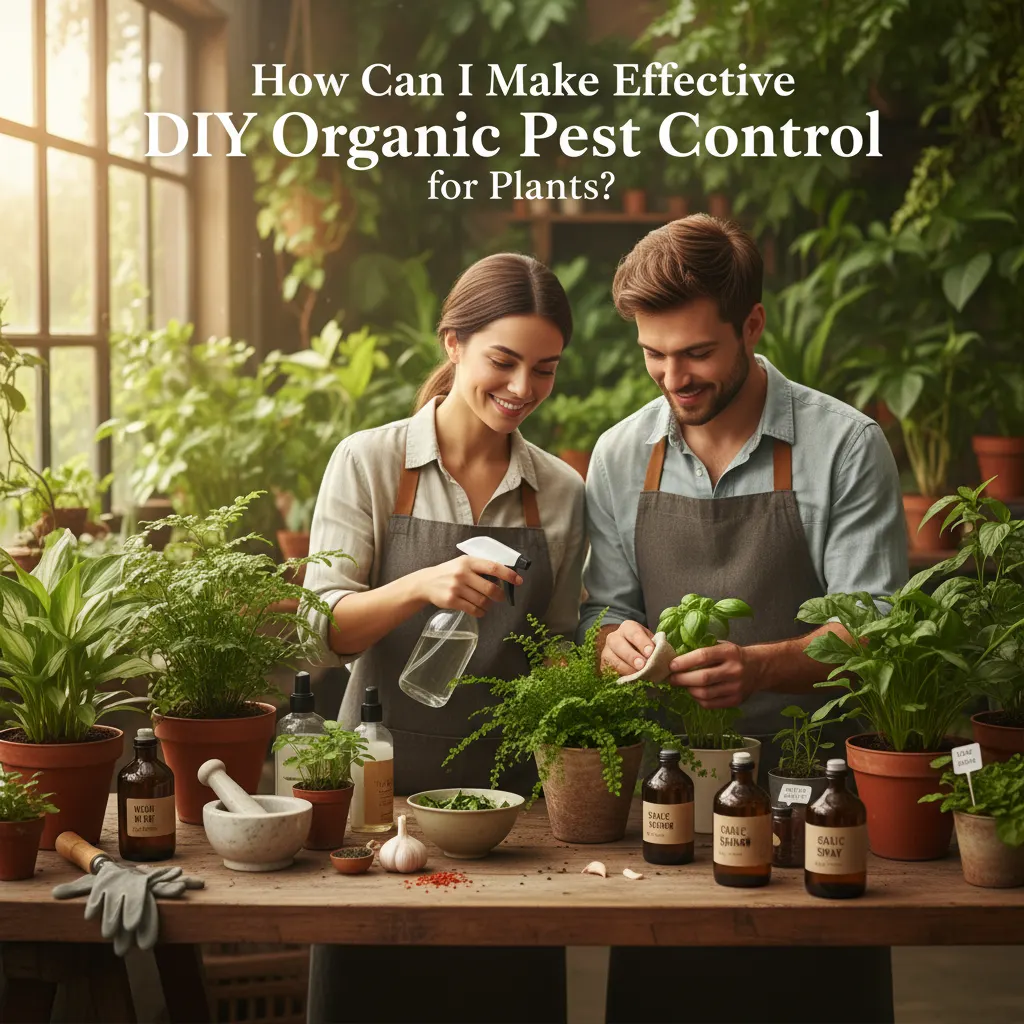
DIY Organic Pest Control: Natural Recipes for Healthy Plants
Effective DIY organic pest control for plants involves using natural ingredients like neem oil, insecticidal soap, and essential oils to deter and eliminate common garden pests. These methods prioritize plant and environmental safety, offering sustainable alternatives to chemical pesticides. Proper application and understanding of pest types are crucial for success.
Protecting your plants from pests doesn't have to involve harsh chemicals. With a few common household ingredients, you can create powerful, organic solutions that keep your garden thriving naturally. This guide provides comprehensive recipes and tips for safe, effective DIY pest control, ensuring your plants, pets, and the environment remain healthy.
Why Choose Organic Pest Control for Your Garden? 🌱
Organic pest control protects beneficial insects, soil health, and reduces exposure to harmful chemicals, fostering a healthier ecosystem for your plants and family. It's a sustainable approach that supports biodiversity and minimizes environmental impact.
Opting for organic pest control methods is a conscious choice for a healthier garden and planet. Chemical pesticides can harm beneficial insects like bees and ladybugs, disrupt soil microbiology, and pose risks to pets, children, and wildlife. Natural solutions work with nature, not against it, promoting a balanced ecosystem where plants can flourish.
Tip: A healthy plant is often more resistant to pests. Focus on good soil, proper watering, and adequate light to build plant resilience.
How to Make a Basic Insecticidal Soap Spray? 🧼
Combine 1-2 tablespoons of mild liquid soap (like Castile soap) with 1 liter of water. Mix well and spray directly onto pests, ensuring full coverage for effective control. This simple solution disrupts pest cell membranes, causing dehydration.
Insecticidal soap is a cornerstone of organic pest control, effective against soft-bodied insects such as aphids, spider mites, mealybugs, and whiteflies. The soap breaks down the waxy outer layer of these pests, leading to dehydration and death. It's crucial to use a pure, mild soap without degreasers, detergents, or perfumes, as these can harm plants.
Ingredients:
- 1-2 tablespoons mild liquid soap (e.g., Dr. Bronner's unscented Castile soap)
- 1 liter (about 4 cups) water
Instructions:
- Measure Ingredients: Carefully measure the soap and water.
- Mix Thoroughly: Pour the soap into the water and stir gently until fully dissolved. Avoid creating excessive suds.
- Transfer to Sprayer: Pour the mixture into a clean spray bottle.
- Apply Directly: Spray the solution directly onto affected plant parts, ensuring complete coverage of pests, especially on the undersides of leaves where many pests hide.
Warning: Always test the spray on a small, inconspicuous part of the plant first and wait 24-48 hours to check for adverse reactions before full application.
What is Neem Oil and How Do You Use It? 🌳
Neem oil is a natural pesticide derived from the neem tree, disrupting pest feeding and reproduction. Mix 1-2 teaspoons of 100% cold-pressed neem oil with 1 teaspoon of mild soap and 1 liter of water, then spray thoroughly.
Neem oil is a powerful, broad-spectrum organic pesticide and fungicide. It works in multiple ways: as an antifeedant, growth disruptor, and repellent. It's effective against a wide range of pests, including spider mites, aphids, whiteflies, mealybugs, and even some fungal diseases like powdery mildew. For best results, use 100% cold-pressed neem oil, as refined versions may lack active compounds.
Ingredients:
- 1-2 teaspoons 100% cold-pressed neem oil
- 1 teaspoon mild liquid soap (emulsifier)
- 1 liter (about 4 cups) warm water
Instructions:
- Emulsify Neem Oil: In a small container, mix the neem oil with the mild soap. The soap acts as an emulsifier, helping the oil mix with water.
- Add Water: Slowly add the warm water to the neem oil-soap mixture, stirring constantly until well combined.
- Transfer and Apply: Pour into a spray bottle and apply immediately. Neem oil solutions degrade quickly, so use within 8 hours.
- Thorough Coverage: Spray all plant surfaces, including stems and the undersides of leaves, until dripping wet. Apply every 7-14 days as needed.
Tip: Apply neem oil in the evening or on a cloudy day to prevent leaf burn, as sunlight can intensify its effects on foliage.
Recipes for Common Pests: Aphids, Spider Mites, and Mealybugs 🐞
Target aphids with garlic spray, spider mites with essential oil blends (peppermint, rosemary), and mealybugs with rubbing alcohol on cotton swabs for effective organic management. Each pest requires a slightly different approach for optimal control.
Different pests respond best to specific organic treatments. Understanding your enemy is the first step to victory. Here are targeted recipes for some of the most common garden invaders.
1. Aphids: Garlic & Chili Pepper Spray
Aphids are tiny, pear-shaped insects that cluster on new growth, sucking plant sap. This pungent spray repels them effectively.
Ingredients:
- 5-6 cloves garlic, minced
- 1-2 small hot chili peppers (e.g., cayenne), minced (optional, for extra kick)
- 1 teaspoon mild liquid soap
- 1 liter water
Instructions:
- Steep Ingredients: Combine minced garlic and chili peppers (if using) with 1 liter of water. Let it steep for at least 24 hours, or gently simmer for 20 minutes and let cool.
- Strain: Strain the mixture through a fine mesh sieve or cheesecloth to remove solids.
- Add Soap: Stir in the mild liquid soap.
- Apply: Spray directly onto aphid colonies, ensuring good coverage. Reapply every 3-5 days until aphids are gone.
2. Spider Mites: Essential Oil Blend Spray
Spider mites are tiny arachnids that cause stippling on leaves and fine webbing. Certain essential oils are natural miticides.
Ingredients:
- 10-15 drops peppermint essential oil
- 5-10 drops rosemary essential oil
- 1 teaspoon mild liquid soap
- 1 liter water
Instructions:
- Emulsify Oils: Mix essential oils with mild soap in a small container.
- Add Water: Slowly add water, stirring well.
- Apply: Spray thoroughly on affected plants, focusing on the undersides of leaves. Apply every 5-7 days until mites are controlled. Increase humidity around plants to deter mites.
3. Mealybugs: Rubbing Alcohol Spot Treatment
Mealybugs are white, cottony insects that cling to stems and leaf axils, secreting sticky honeydew.
Ingredients:
- 70% isopropyl rubbing alcohol
- Cotton swabs or cotton balls
Instructions:
- Dip Swab: Dip a cotton swab or cotton ball in rubbing alcohol.
- Spot Treat: Gently dab each mealybug directly with the alcohol-soaked swab. The alcohol dissolves their waxy coating.
- Repeat: Check plants daily and repeat treatment as new mealybugs appear. For heavy infestations, a diluted alcohol spray (1 part alcohol to 3 parts water) can be used, but test on a small area first.
Safety Tips for DIY Organic Pest Control 🛡️
Always test new sprays on a small plant area first. Apply during cooler parts of the day to prevent leaf burn and avoid spraying beneficial insects. Wear protective gear, and store solutions safely away from children and pets.
While organic solutions are generally safer than chemical pesticides, proper precautions are still necessary. Your safety, the plant's health, and the well-being of beneficial organisms are paramount.
- Patch Test: Before applying any new spray to an entire plant, test it on a small, inconspicuous leaf or stem. Wait 24-48 hours to observe any adverse reactions like leaf burn or discoloration.
- Timing is Key: Apply sprays in the early morning or late evening when temperatures are cooler and the sun is less intense. This prevents rapid evaporation and reduces the risk of phytotoxicity (plant damage).
- Avoid Beneficials: Try to avoid spraying flowers where pollinators like bees might be active. If possible, apply directly to pests or affected areas, minimizing contact with beneficial insects.
- Protective Gear: Even with natural ingredients, it's wise to wear gloves and eye protection, especially when handling essential oils or chili peppers.
- Storage: Label all homemade solutions clearly and store them in a cool, dark place, out of reach of children and pets. Most DIY solutions have a short shelf life and should be used fresh.
- Ventilation: When spraying indoors, ensure good ventilation to avoid inhaling fine mists.
Common Problems & Troubleshooting 🐛
Even with the best organic methods, you might encounter challenges. Here's how to troubleshoot common issues.
Problem: Aphid infestation on roses
Solution: Spray with a homemade insecticidal soap solution (1 tbsp mild soap per liter of water) every 5-7 days until pests are gone. Ensure undersides of leaves are covered. For persistent issues, alternate with a garlic spray to deter them further. Source: UC IPM
Problem: Spider mites on houseplants
Solution: Apply a diluted neem oil spray (1-2 tsp neem oil, 1 tsp mild soap per liter of water) weekly. Also, increase humidity around the plant by misting or using a pebble tray. Physically wipe leaves with a damp cloth to remove mites. Source: Gardener's World
Problem: Fungus gnats in potting soil
Solution: Allow soil to dry out between waterings, as fungus gnats thrive in moist conditions. Use yellow sticky traps to catch adult gnats. Apply a diluted hydrogen peroxide solution (1 part 3% H2O2 to 4 parts water) to the soil to kill larvae. Source: Cornell Extension
Problem: White powdery spots on leaves (Powdery Mildew)
Solution: Mix 1 tablespoon baking soda, 1/2 teaspoon liquid soap, and 1 liter of water. Spray affected leaves thoroughly. Neem oil is also effective as a fungicide. Ensure good air circulation around plants.
Expert Tips & Advanced Techniques 🧑🔬
Beyond basic sprays, integrating other organic strategies can significantly boost your pest control efforts.
- Companion Planting: Strategically plant certain herbs and flowers that naturally repel pests or attract beneficial insects. Marigolds deter nematodes, while nasturtiums can act as a trap crop for aphids.
- Attract Beneficial Insects: Create a welcoming environment for natural predators like ladybugs, lacewings, and parasitic wasps. Plant flowers rich in nectar and pollen, such as dill, fennel, and cosmos.
- Regular Inspection: The best defense is early detection. Regularly inspect your plants, especially the undersides of leaves, for any signs of pests. Catching an infestation early makes it much easier to manage.
- Physical Removal: For larger pests or small infestations, simply pick them off by hand. A strong jet of water can dislodge aphids and spider mites from leaves.
- Soil Health: Healthy soil leads to healthy plants, which are more resilient to pest attacks. Incorporate compost and organic matter to improve soil structure and nutrient availability.
FAQ Section ❓
Are DIY organic pest control methods as effective as chemical ones?
DIY organic pest control methods can be highly effective, especially when applied consistently and correctly. While they may require more frequent application than synthetic pesticides, they offer a safer, more sustainable approach that protects beneficial insects and the environment. Their effectiveness often depends on early detection and understanding the specific pest.
How often should I apply homemade pest sprays?
The frequency of application for homemade pest sprays varies depending on the pest, the severity of the infestation, and the specific recipe. Generally, initial applications might be every 3-7 days until the pest population is under control. For maintenance or prevention, once every 1-2 weeks may suffice. Always observe your plants and adjust as needed.
Can I use dish soap for insecticidal spray?
It is generally not recommended to use common dish soap for insecticidal sprays. Dish soaps often contain degreasers, detergents, perfumes, and other additives that can be harmful to plants, causing leaf burn or other damage. Always opt for pure, mild liquid soaps like unscented Castile soap, which are specifically designed to be gentle on plants.
What organic pest control is safe for edible plants?
Many DIY organic pest control methods are safe for edible plants. Insecticidal soap, neem oil (when used correctly and with proper pre-harvest intervals), garlic spray, and essential oil sprays are generally considered safe. Always wash edible produce thoroughly before consumption, even after using organic sprays. Avoid spraying directly before harvest.
How do I identify common garden pests?
Identifying common garden pests involves regularly inspecting your plants for signs of damage or the pests themselves. Look for tiny insects on leaves and stems, webbing, chewed leaves, sticky residue (honeydew), or discolored foliage. Resources like university extension websites (e.g., UC IPM) offer detailed identification guides and images to help you recognize specific pests.
Conclusion: Embrace a Healthier Garden Naturally
Embracing DIY organic pest control is a rewarding step towards a healthier, more sustainable garden. By utilizing these natural recipes and techniques, you can:
- Protect your plants from common pests without harsh chemicals.
- Safeguard beneficial insects, pets, and your family.
- Promote a balanced ecosystem in your garden.
- Save money by using readily available ingredients.
Start with regular plant inspections, choose the right organic solution for your specific pest, and apply it consistently. Your plants will thank you with vibrant growth and abundant harvests. Happy gardening!
Summary and Next Steps
- Use the right recipe: Soap sprays, neem oil, and garlic or chili sprays solve different pest problems.
- Mix accurately: Stronger homemade sprays are not safer and can burn leaves.
- Apply at the right time: Spray early morning or evening, away from heat and direct sun.
- Track results: Recheck plants every few days and repeat only as needed.
Next, identify your target pest, mix a small test batch, patch-test one leaf, and treat the whole plant only if it responds well.