
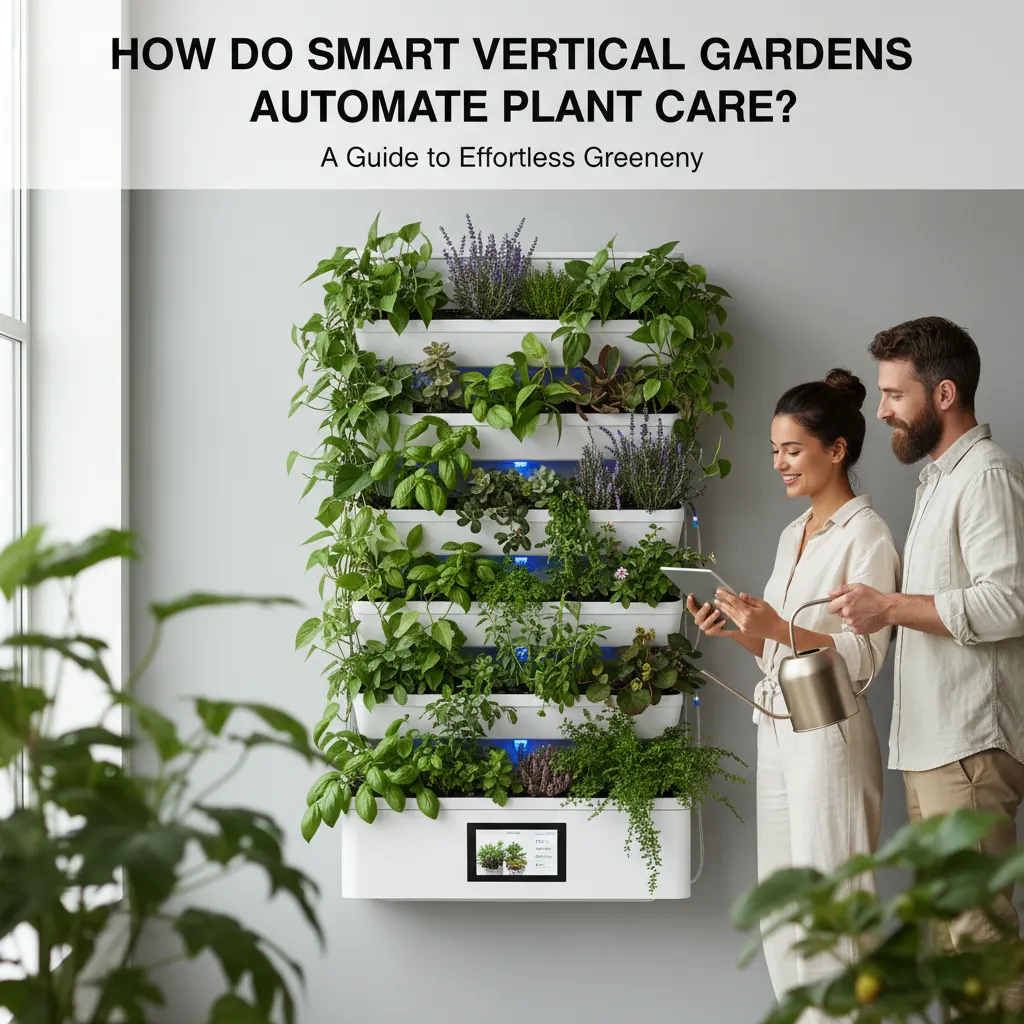
How Do Smart Vertical Gardens Automate Plant Care?
Smart vertical gardens integrate sensors, automated watering systems, and controlled lighting to optimize plant growth. These systems monitor environmental factors like moisture, light, and nutrients, adjusting delivery automatically. This automation ensures plants receive precise care, reducing manual effort and maximizing yield in compact spaces.
Embrace the future of gardening with smart vertical gardens, where technology meets horticulture to create thriving indoor ecosystems. These innovative systems offer a revolutionary way to grow fresh produce, herbs, and ornamental plants in any space, regardless of size. By automating essential care tasks, they transform gardening into an effortless and highly efficient endeavor, perfect for urban dwellers and busy individuals alike.
What are the Core Components of a Smart Vertical Garden? 🌱
Smart vertical gardens typically include a vertical structure, a reservoir, a pump for irrigation, grow lights (often LED), and a central controller with sensors for monitoring environmental conditions like moisture, pH, and temperature.
Understanding the fundamental building blocks of a smart vertical garden is key to appreciating its automation capabilities. At its heart, every system relies on a sturdy vertical framework designed to hold multiple plants in a compact footprint. This structure can range from wall-mounted panels to freestanding towers, maximizing growing space. Below, a water reservoir stores the nutrient solution, which is then circulated by a pump.
Tip: Look for systems with modular designs, allowing for easy expansion or reconfiguration as your gardening needs evolve.
Integrated grow lights, predominantly energy-efficient LEDs, provide the necessary light spectrum for photosynthesis, compensating for lack of natural sunlight. The brain of the operation is the central controller, often equipped with Wi-Fi connectivity. This controller receives data from various sensors—such as soil moisture probes, pH meters, and temperature gauges—and uses this information to manage the pump and lights, ensuring optimal conditions for plant growth.
How Does Automated Watering Work in Vertical Gardens? 💧
Automated watering systems use sensors to detect soil moisture levels or nutrient solution concentration. Based on pre-set parameters, a pump delivers water or nutrient solution to plants through drip irrigation or hydroponic methods, ensuring optimal hydration.
One of the most significant advantages of smart vertical gardens is their automated watering capabilities. Gone are the days of guessing when to water or worrying about overwatering. These systems employ sophisticated sensors that continuously monitor the moisture levels in the growing medium or the nutrient solution in hydroponic setups. When levels drop below a predefined threshold, the central controller activates a pump.
This pump then delivers a precise amount of water or nutrient-rich solution directly to the plant roots. Common delivery methods include drip irrigation, where emitters slowly release liquid, or recirculating hydroponic systems, which continuously bathe the roots in solution. This targeted approach minimizes water waste and ensures plants receive consistent hydration and nutrition, leading to healthier growth and higher yields.
What Role Does Smart Lighting Play in Plant Growth? 💡
Smart lighting, often using full-spectrum LEDs, provides plants with the necessary light wavelengths for photosynthesis. Automated timers and intensity controls mimic natural light cycles, optimizing growth stages and energy consumption.
Light is a critical factor for plant growth, and smart vertical gardens excel at providing optimal illumination. Unlike traditional gardening, where plants rely on unpredictable natural light, automated systems use advanced LED grow lights. These lights are specifically engineered to emit the full spectrum of light wavelengths that plants need for photosynthesis, from blue light for vegetative growth to red light for flowering and fruiting.
The "smart" aspect comes from the integration of timers and intensity controls. These features allow gardeners to program specific light schedules that mimic natural day-night cycles or optimize for particular growth stages. For instance, seedlings might require longer periods of lower-intensity light, while flowering plants benefit from higher intensity. This precise control not only maximizes plant health and yield but also significantly reduces energy consumption by ensuring lights are only on when needed.
What are the Benefits of Automated Vertical Gardening? ✅
Benefits include significant water savings, reduced manual labor, faster plant growth, higher yields, and the ability to grow fresh produce in limited spaces year-round, making it ideal for urban environments.
Automated vertical gardening offers a compelling array of advantages that appeal to both novice and experienced gardeners. Foremost among these is the remarkable efficiency in resource use. Vertical systems, especially hydroponic ones, can use up to 90% less water than traditional soil gardening because water is recirculated and evaporation is minimized. This makes them incredibly sustainable.
Insight: Automated systems can lead to up to 25% faster growth rates and 30% higher yields compared to conventional methods due to optimized environmental control.
The reduction in manual labor is another major draw. With automated watering, lighting, and nutrient delivery, daily chores are drastically cut down, freeing up time and effort. Furthermore, the ability to grow plants indoors, year-round, regardless of climate or season, provides consistent access to fresh, healthy produce. This is particularly beneficial for urban dwellers with limited outdoor space, transforming balconies, kitchens, or even small corners into productive gardens.
How to Set Up Your First Smart Vertical Garden System 🛠️
Setting up involves choosing a system type (hydroponic, aeroponic, or soil-based), assembling the vertical structure, installing the irrigation and lighting components, and configuring the smart controller based on plant needs.
Embarking on your smart vertical gardening journey is an exciting prospect. The first step is to select the right type of system for your needs. Hydroponic systems, which grow plants in nutrient-rich water, are popular for their efficiency. Aeroponic systems mist plant roots with nutrient solution, offering even faster growth. Soil-based vertical gardens are simpler but may require more frequent monitoring.
- Assemble the Vertical Structure: Follow the manufacturer's instructions to build the frame. Ensure it's stable and placed in a location with access to a power outlet.
- Install Reservoir and Pump: Position the water reservoir at the base. Connect the pump and tubing according to the system's design, ensuring water can reach all planting sites.
- Mount Grow Lights: Attach the LED grow lights to the structure, ensuring even coverage for all plants. Adjust height as recommended for your chosen plants.
- Integrate Sensors: Place moisture sensors in growing media or pH/EC sensors in the reservoir. Connect them to the central controller.
- Configure the Smart Controller: Download the accompanying app or use the system's interface to set watering schedules, light cycles, and nutrient delivery parameters. Calibrate sensors if necessary.
- Plant Your Seedlings: Once the system is operational, carefully place your seedlings or young plants into the designated planting pods or pockets.
Warning: Always ensure electrical components are kept away from water to prevent hazards. Use surge protectors for all power connections.
Common Problems & Troubleshooting 🚨
Even with automation, occasional issues can arise. Knowing how to troubleshoot common problems ensures your garden remains productive.
Why are my plants wilting despite automated watering? 🥀
Wilting can indicate either overwatering or underwatering, or a pump malfunction. Check the moisture sensor calibration and ensure the pump is operating correctly. Verify that the water reservoir isn't empty and that tubing isn't clogged. Sometimes, nutrient solution can become too concentrated, causing root burn; dilute if necessary.
My grow lights aren't turning on. What should I do? 💡
First, check the power connection to the lights and the controller. Ensure the timer settings are correct and haven't been accidentally overridden. If individual light modules are out, they might need replacement. Consult your system's manual for specific diagnostic steps.
Why are my plants showing nutrient deficiencies? 🧪
In hydroponic systems, this often points to an imbalanced nutrient solution or incorrect pH. Test the pH and EC (electrical conductivity) of your solution and adjust according to your plant's needs. Ensure you're using the correct type and concentration of nutrients. For soil-based systems, the growing medium might be depleted; consider adding a slow-release fertilizer or supplementing with liquid feed.
Expert Tips & Advanced Techniques 🧑🔬
Maximize your smart vertical garden's potential with these insights from horticultural experts.
- Monitor pH and EC Regularly: Even with automated systems, manual spot checks of pH and EC (electrical conductivity) in hydroponic reservoirs can catch issues before they impact plant health. Aim for the optimal range for your specific plants.
- Rotate Plants: Periodically rotate plants within your vertical garden to ensure even light exposure, especially if some areas receive more or less light due to their position.
- Pruning for Productivity: Regular pruning encourages bushier growth and higher yields. Remove dead or yellowing leaves and pinch back growing tips to promote branching.
- Integrated Pest Management (IPM): Even indoors, pests can appear. Regularly inspect your plants and use organic pest control methods like neem oil or insecticidal soap at the first sign of trouble.
- Experiment with Plant Varieties: Don't be afraid to try different herbs, leafy greens, or even small fruiting plants. Smart vertical gardens are versatile, allowing you to discover what thrives best in your setup.
FAQ Section ❓
Are smart vertical gardens energy efficient?
Yes, many smart vertical gardens are designed with energy efficiency in mind. They primarily use LED grow lights, which consume significantly less electricity than traditional grow lights. Automated timers ensure lights are only on when needed, and efficient pumps minimize power usage for watering. Overall, the energy consumption is often offset by the benefits of fresh, home-grown produce.
What types of plants grow best in automated vertical gardens?
Leafy greens like lettuce, spinach, kale, and Swiss chard thrive in vertical gardens. Herbs such as basil, mint, cilantro, and parsley are also excellent choices. Smaller fruiting plants like strawberries and cherry tomatoes can also be successfully grown, especially in hydroponic or aeroponic systems. Root vegetables are generally not ideal due to space constraints.
How often do I need to refill the water reservoir?
The frequency of refilling the water reservoir depends on several factors: the size of your reservoir, the number and type of plants, and environmental conditions (temperature, humidity). Typically, for a medium-sized system, you might need to refill every 1-2 weeks. Automated systems often have low-water level alerts to notify you when a refill is needed.
Can I control my smart vertical garden with a smartphone app?
Absolutely! Most modern smart vertical garden systems come with dedicated smartphone apps. These apps allow you to monitor environmental conditions (temperature, humidity, pH, EC), adjust watering schedules, control light intensity and duration, and even receive alerts about your garden's status, all from your mobile device.
What is the typical cost of a smart vertical garden system?
The cost of a smart vertical garden system can vary widely based on its size, features, and technology. Entry-level systems for home use might range from $200 to $500. More advanced, larger, or professional-grade systems with sophisticated sensors and controls can cost anywhere from $1,000 to several thousand dollars. Consider the long-term savings on groceries and the convenience when evaluating the investment.
Summary: Grow Smarter, Not Harder 🚀
Smart vertical gardens with automated watering and lighting represent a significant leap forward in home gardening. They offer:
- Efficiency: Maximized space utilization and resource conservation.
- Automation: Reduced manual effort through intelligent systems.
- Productivity: Faster growth and higher yields year-round.
- Sustainability: Significant water and energy savings.
- Accessibility: Fresh produce for urban environments and busy lifestyles.
By understanding their core components, benefits, and setup, you can confidently embark on your journey to a more sustainable and convenient way of growing. Start exploring the possibilities today and transform your living space into a thriving green oasis.