How Can You Create a Thriving Sustainable Garden?
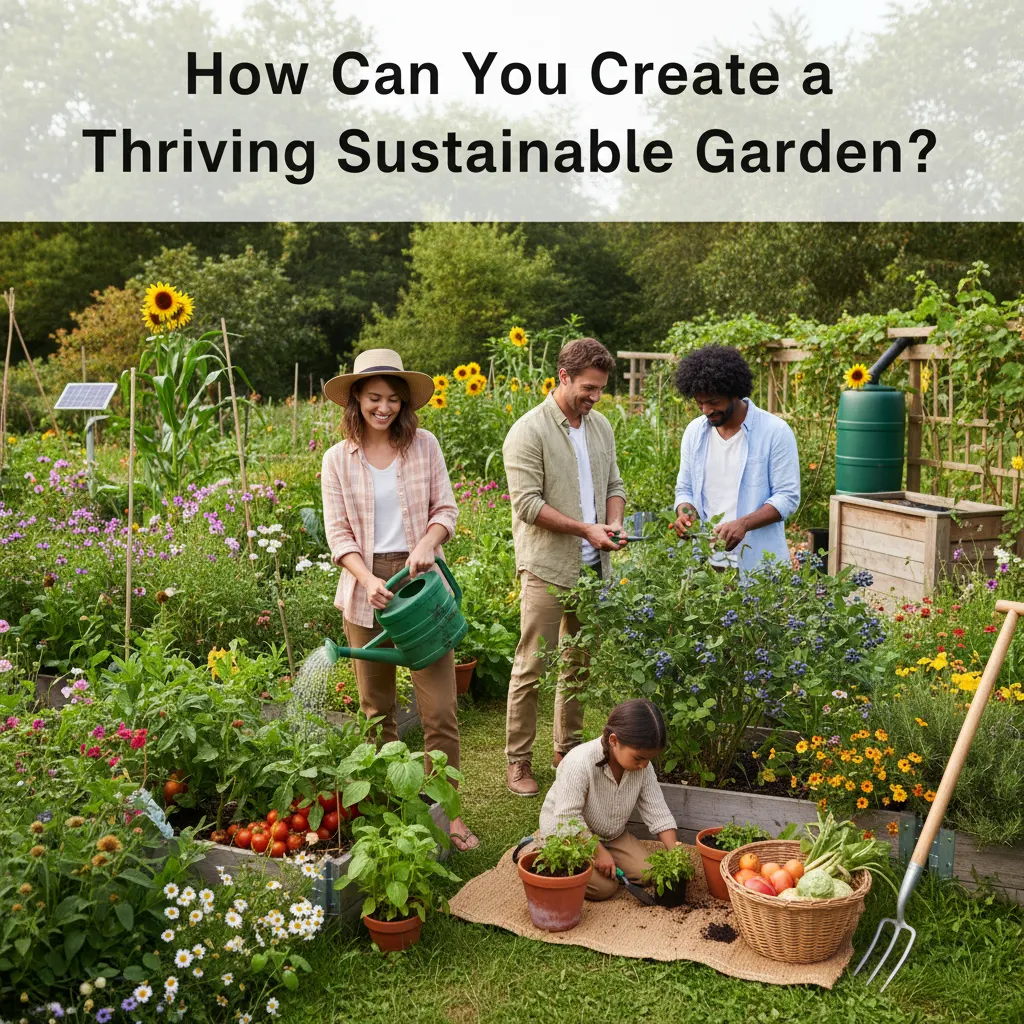
Creating a thriving sustainable garden involves integrating practices that support ecological balance and resource efficiency. This includes enriching soil with compost, conserving water through smart irrigation, using natural pest control, and planting native species. These methods foster a resilient garden that benefits both nature and the gardener.
Embarking on a sustainable gardening journey transforms your outdoor space into a vibrant ecosystem that works in harmony with nature. This guide provides actionable steps and expert insights to help you cultivate a garden that is not only beautiful and productive but also environmentally responsible. Discover how to reduce your ecological footprint while enjoying a flourishing green haven.
What is Sustainable Gardening? 🌱
Sustainable gardening is an approach to cultivating plants that minimizes environmental impact, conserves resources, and promotes biodiversity. It focuses on working with nature rather than against it, creating a healthy and resilient ecosystem.
This practice goes beyond simply avoiding chemicals; it's about creating a self-sustaining system. It considers the long-term health of the soil, water, and local wildlife. By adopting sustainable methods, gardeners contribute to a healthier planet while enjoying the fruits (and vegetables) of their labor.
Tip: Think of your garden as a mini-ecosystem. Every choice you make, from plant selection to pest control, impacts this delicate balance.
Sustainable gardening encompasses a range of techniques designed to reduce waste, conserve energy, and protect natural resources. It's about making conscious choices that benefit both your garden and the wider environment. This holistic approach ensures your garden thrives for years to come.
How Does Composting Build Healthy Soil? 🍂
Composting enriches soil by adding organic matter, improving its structure, water retention, and nutrient content. This reduces the need for synthetic fertilizers, supports beneficial microorganisms, and diverts organic waste from landfills.
Healthy soil is the foundation of any thriving garden, and composting is one of the best ways to achieve it naturally. Compost, often called "black gold," is decomposed organic material that provides a slow-release source of essential nutrients for plants. It also improves soil aeration and drainage.
Warning: Avoid adding meat, dairy, or oily foods to your compost pile, as these can attract pests and create unpleasant odors.
Regularly incorporating compost into your garden beds enhances soil fertility, making plants more robust and resistant to diseases. It also helps to balance soil pH and encourages the proliferation of beneficial earthworms and microbes, which are crucial for nutrient cycling. Composting is a simple yet powerful way to recycle kitchen and yard waste.
What Are Effective Water Conservation Techniques? 💧
Effective water conservation involves smart irrigation, such as drip systems and soaker hoses, and mulching to reduce evaporation. Selecting drought-tolerant and native plants also significantly lowers water requirements, especially in arid regions.
Water is a precious resource, and conserving it in the garden is a cornerstone of sustainable practice. Efficient watering methods ensure that plants receive adequate moisture without waste. This not only saves water but also reduces your utility bills.
- Install Drip Irrigation or Soaker Hoses: These systems deliver water directly to the plant roots, minimizing evaporation and runoff. They are highly efficient and can be automated for convenience.
- Apply Mulch Generously: A 2-4 inch layer of organic mulch (like wood chips, straw, or shredded leaves) around plants helps retain soil moisture, suppresses weeds, and regulates soil temperature.
- Choose Drought-Tolerant and Native Plants: These plants are naturally adapted to your local climate and require less supplemental watering once established. They are a smart choice for water-wise landscaping.
- Water Deeply and Infrequently: Encourage deep root growth by watering thoroughly when needed, rather than frequent shallow watering. This makes plants more resilient to dry spells.
Tip: Water early in the morning to reduce evaporation and allow foliage to dry before nightfall, which helps prevent fungal diseases.
How Can I Control Pests Organically? 🐞
Organic pest control relies on natural methods like introducing beneficial insects, companion planting, using neem oil or insecticidal soaps, and maintaining garden hygiene. These strategies avoid harmful chemicals and protect pollinators.
Chemical pesticides can harm beneficial insects, pollute water sources, and pose risks to human health. Organic pest control focuses on prevention and natural solutions to manage garden pests effectively. It's about creating a balanced ecosystem where natural predators keep pest populations in check.
- Encourage Beneficial Insects: Attract ladybugs, lacewings, and predatory wasps by planting flowers like dill, cilantro, and cosmos. These insects prey on common garden pests.
- Practice Companion Planting: Certain plants can deter pests or attract beneficial insects when planted together. For example, marigolds can repel nematodes, and nasturtiums can act as a trap crop for aphids.
- Use Organic Sprays: Neem oil, insecticidal soaps, and horticultural oils are effective against many soft-bodied pests and are less harmful to the environment than synthetic alternatives.
- Maintain Garden Hygiene: Remove diseased or infested plant parts promptly. Keep your garden free of weeds and debris, which can harbor pests.
- Hand-Picking: For larger pests like slugs, snails, and hornworms, hand-picking them off plants can be a very effective method.
Warning: Always test any organic spray on a small section of the plant first to ensure it doesn't cause damage, especially during hot weather.
Why Choose Native Plants for Your Garden? 🦋
Native plants are adapted to local climates and soils, requiring less water, fertilizer, and pest control. They support local wildlife, including pollinators and birds, contributing to regional biodiversity and ecological health.
Integrating native plants into your garden is one of the most impactful sustainable choices you can make. These plants have evolved alongside local wildlife, forming essential ecological relationships. They are perfectly suited to your region's rainfall patterns and soil conditions.
- Reduced Water Needs: Once established, native plants typically require less supplemental irrigation than non-native species, saving water and effort.
- No Need for Fertilizers: They are adapted to local soil nutrient levels and rarely need additional fertilization, reducing chemical runoff.
- Natural Pest Resistance: Native plants often have natural defenses against local pests and diseases, minimizing the need for pesticides.
- Support for Local Wildlife: They provide crucial food, shelter, and breeding grounds for native birds, bees, butterflies, and other beneficial insects, enhancing biodiversity.
- Low Maintenance: Their natural resilience means less pruning, deadheading, and overall care compared to many exotic plants.
Tip: Research native plant nurseries in your area to find species that are best suited for your specific microclimate and soil type.
Step-by-Step: Building a Rain Barrel System 🌧️
Installing a rain barrel involves positioning it under a downspout, connecting a diverter, and ensuring a stable base. This system collects rainwater for irrigation, reducing reliance on municipal water and lowering utility bills.
Collecting rainwater is an excellent way to conserve water and provide your plants with chlorine-free irrigation. A rain barrel system is relatively easy to set up and can significantly reduce your household's water consumption during dry periods.
- Choose Your Location: Select a spot near a downspout that is level and stable. Ensure there's enough space for the barrel and easy access for watering cans or hoses.
- Prepare the Base: Place your rain barrel on a sturdy, elevated base (e.g., concrete blocks, a wooden stand) to provide enough height for gravity-fed watering and to ensure stability.
- Install the Downspout Diverter: Cut your downspout to the appropriate height. Install a diverter kit that channels rainwater into the barrel when it rains and allows overflow to continue down the downspout when the barrel is full.
- Connect the Barrel: Attach the diverter hose to the inlet on your rain barrel. Ensure all connections are secure to prevent leaks.
- Add an Overflow Spout: Most rain barrels come with an overflow spout. Connect a hose to this spout to direct excess water away from your foundation or into another barrel.
- Attach a Spigot: Ensure the spigot at the bottom of the barrel is securely attached and can be easily connected to a garden hose or used to fill watering cans.
Warning: In colder climates, drain and disconnect your rain barrel before the first freeze to prevent damage from expanding ice.
Common Problems & Troubleshooting 🛠️
Problem: My plants are wilting despite regular watering.
Solution: This could indicate overwatering, poor drainage, or root rot. Check soil moisture deeply; if wet, reduce watering. Improve drainage by amending soil with compost or perlite. Consider raised beds for better drainage.
Problem: I have an infestation of aphids on my roses.
Solution: Spray affected areas with a strong stream of water to dislodge them. For persistent issues, use an insecticidal soap or neem oil spray, ensuring full coverage of the pests. Introduce ladybugs, a natural predator.
Problem: My compost pile smells bad and isn't breaking down.
Solution: A foul smell usually means too much "green" (nitrogen-rich) material or not enough air. Turn the pile frequently to aerate it. Add more "brown" (carbon-rich) materials like dry leaves or shredded cardboard to balance the mix.
Expert Tips & Advanced Techniques 💡
- Embrace Permaculture Principles: Design your garden to mimic natural ecosystems, focusing on perennial plants, food forests, and closed-loop systems that minimize external inputs.
- Practice No-Dig Gardening: This method involves building up soil layers with organic matter rather than tilling, preserving soil structure and microbial life. It reduces effort and improves soil health over time.
- Install a Greywater System: For advanced water conservation, consider diverting water from your shower or washing machine (greywater) to irrigate non-edible plants. Always research local regulations first.
- Create a Pollinator Garden: Dedicate a section of your garden to native wildflowers and host plants to provide essential habitat and food for bees, butterflies, and other beneficial insects.
FAQ Section ❓
What is the difference between organic and sustainable gardening?
Organic gardening specifically focuses on avoiding synthetic pesticides, fertilizers, and genetically modified organisms. Sustainable gardening is a broader concept that includes organic practices but also emphasizes resource conservation (water, energy), waste reduction, biodiversity, and creating a resilient ecosystem. All organic gardening is sustainable, but not all sustainable gardening is strictly organic (e.g., using some non-organic tools).
How do I start a compost pile?
To start a compost pile, choose a suitable location (shady, well-drained). Begin with a layer of "brown" materials (dry leaves, straw) at the bottom. Alternate layers of "greens" (food scraps, grass clippings) and "browns." Keep the pile moist like a wrung-out sponge and turn it regularly to aerate. A good mix of materials and proper aeration are key to successful composting.
Can I garden sustainably in a small space or apartment?
Absolutely! Sustainable gardening is possible in any space. For small areas, consider vertical gardens, container gardening with recycled pots, or raised beds. Focus on high-yield plants, use efficient watering methods like self-watering planters, and compost with a worm bin (vermicomposting) for kitchen scraps. Choose native or drought-tolerant plants suitable for containers.
What are common sustainable gardening myths?
One common myth is that sustainable gardening is always more expensive or difficult. While initial setup might require some investment, long-term costs are often lower due to reduced water, fertilizer, and pesticide use. Another myth is that it looks messy; sustainable gardens can be incredibly beautiful and well-designed. Also, some believe it's only for large yards, but it's adaptable to any scale.
How often should I water my sustainable garden?
The frequency of watering depends on several factors: plant type, soil type, weather, and stage of growth. Instead of a fixed schedule, water when the top few inches of soil feel dry to the touch. Water deeply and less frequently to encourage strong root growth. Mulching and choosing appropriate plants will significantly reduce your watering needs.
Key Takeaways for Your Sustainable Garden Journey
- Nourish Your Soil: Prioritize healthy soil through composting and organic matter to reduce reliance on synthetic inputs.
- Conserve Water Wisely: Implement smart irrigation, mulching, and drought-tolerant plants to minimize water usage.
- Embrace Nature's Pest Control: Utilize beneficial insects, companion planting, and organic sprays to manage pests without harmful chemicals.
- Plant for Your Place: Choose native species that thrive in your local climate and support regional biodiversity.
- Reduce, Reuse, Recycle: Integrate practices like rainwater harvesting and repurposing materials to minimize waste.
By adopting these sustainable gardening practices, you're not just growing plants; you're cultivating a resilient, vibrant ecosystem that benefits your home, your community, and the planet. Start small, learn as you go, and enjoy the rewarding process of creating a truly sustainable garden.
Summary and Next Steps
- Start with systems: Sustainable gardens work best when compost, water, soil, and plant diversity support one another.
- Use fewer outside inputs: Choose native or climate-adapted plants, build compost, and reduce synthetic chemicals.
- Protect resources: Mulch soil, harvest rainwater where allowed, and water deeply but less often.
- Build gradually: A sustainable garden improves through repeated small choices, not one major overhaul.
Next, choose one bed or container area, add compost and mulch, replace one high-input plant with a climate-suited option, and track water use for the next month.