How to Identify and Treat Houseplant Pests and Diseases Effectively?
Effectively identifying and treating houseplant pests and diseases involves recognizing early symptoms, understanding common culprits like spider mites or fungal infections, and applying appropriate organic or chemical remedies. Consistent monitoring and preventative care are key to maintaining plant health and preventing widespread infestations.
Houseplants bring life and beauty into our homes, but they can sometimes face challenges from unwanted pests and diseases. Understanding how to spot these issues early and apply the right treatment is crucial for keeping your green companions thriving. This guide will equip you with the knowledge to diagnose and resolve common houseplant ailments, ensuring your plants remain healthy and vibrant.
What are the Most Common Houseplant Pests? 🐛
Common houseplant pests include spider mites, mealybugs, aphids, whiteflies, and fungus gnats. Each has distinct appearances and preferred plant hosts, often causing sap-sucking damage or leaf discoloration.
Identifying pests early is your first line of defense. These tiny invaders can quickly multiply and weaken your plants if left unchecked. Knowing what to look for can save your plants from significant damage.
- Spider Mites: These tiny arachnids are often hard to see with the naked eye. Look for fine webbing on leaves and stems, especially on the undersides, and tiny yellow or brown stippling on leaves. They thrive in dry conditions.
- Mealybugs: These soft-bodied insects appear as white, cottony masses in leaf axils and on stems. They suck sap, leading to stunted growth and yellowing leaves. They often leave behind a sticky residue called honeydew.
- Aphids: Small, pear-shaped insects that can be green, black, brown, or red. They cluster on new growth and leaf undersides, distorting leaves and secreting honeydew.
- Whiteflies: Tiny, white, moth-like insects that fly up in a cloud when disturbed. They feed on the undersides of leaves, causing yellowing and stunted growth.
- Fungus Gnats: Small, dark, flying insects that hover around the soil surface. Their larvae feed on plant roots, especially in overly moist soil, which can damage seedlings and young plants.
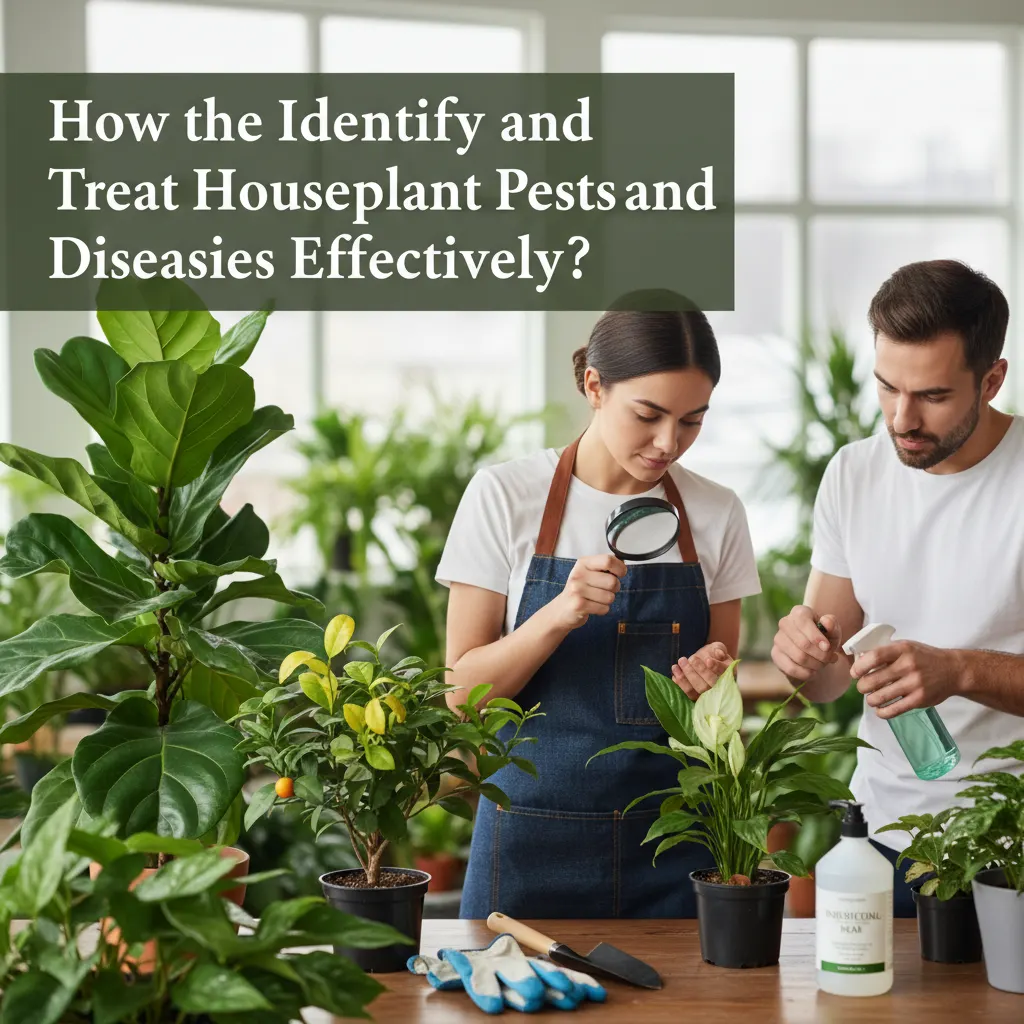
Tip: Use a magnifying glass for a closer inspection of leaves and stems, especially the undersides, to catch pests before they become a major problem.
How to Identify Common Houseplant Diseases? 🦠
Houseplant diseases often manifest as leaf spots, powdery mildew, root rot, or wilting. Fungal infections are prevalent, caused by overwatering or poor air circulation, while bacterial and viral issues are less common but more severe.
Diseases can be more challenging to diagnose than pests, as their symptoms can sometimes mimic environmental stress. However, understanding common disease patterns can help you take appropriate action.
- Powdery Mildew: Appears as white, powdery spots on leaves and stems. It's a fungal disease that thrives in high humidity and poor air circulation, often leading to distorted growth.
- Root Rot: A common issue caused by overwatering and poorly draining soil. Symptoms include yellowing leaves, wilting despite moist soil, stunted growth, and soft, mushy roots.
- Leaf Spot Diseases: Can be fungal or bacterial, appearing as discolored spots (yellow, brown, black) on leaves. These spots may have distinct borders or halos and can spread if conditions are favorable.
- Blight: Rapid browning and death of plant tissues, often starting at leaf tips or margins and spreading quickly. Can be caused by various fungi or bacteria.
- Wilting: While sometimes a sign of underwatering, persistent wilting even with adequate moisture can indicate root rot, stem rot, or vascular diseases that block water uptake.
Warning: Always sterilize your pruning tools with rubbing alcohol before and after use to prevent the spread of diseases between plants.
What are Effective Organic Treatments for Houseplant Pests? 🌿
Organic treatments include neem oil, insecticidal soap, horticultural oil, and manual removal. These methods disrupt pest life cycles and are safer for plants and the environment when applied correctly and consistently.
Opting for organic solutions is often the preferred first step, especially for indoor plants where chemical exposure should be minimized. These methods are generally less harmful to beneficial insects and the environment.
- Manual Removal: For larger pests like mealybugs or aphids, simply pick them off by hand or use a strong stream of water to dislodge them. A cotton swab dipped in rubbing alcohol can effectively remove mealybugs.
- Insecticidal Soap: This works by breaking down the protective outer layer of soft-bodied insects, causing dehydration. Mix according to package directions and spray thoroughly, ensuring coverage of leaf undersides. Repeat every 5-7 days for 2-3 weeks.
- Neem Oil: A natural pesticide and fungicide derived from the neem tree. It acts as an anti-feedant, growth regulator, and suffocant. Mix with water and a small amount of mild soap (as an emulsifier) and spray all plant surfaces. Apply every 7-10 days.
- Horticultural Oil: Similar to neem oil, these refined petroleum or vegetable oils suffocate pests by blocking their breathing pores. Apply during cooler parts of the day to avoid leaf burn.
- Diatomaceous Earth (DE): A natural powder made from fossilized diatoms. When sprinkled on the soil surface, it dehydrates and kills crawling insects like fungus gnat larvae. Ensure it's food-grade DE.
Tip: Always test any new treatment on a small, inconspicuous part of the plant first to ensure it doesn't cause adverse reactions.
How to Prevent Houseplant Pests and Diseases? 🛡️
Prevention involves proper watering, adequate light, good air circulation, quarantining new plants, and regular inspection. Maintaining optimal growing conditions strengthens plants' natural defenses against infestations and infections.
An ounce of prevention is worth a pound of cure, especially when it comes to houseplant health. Proactive measures can significantly reduce the likelihood of encountering pest and disease problems.
- Quarantine New Plants: Always isolate new plants for 2-4 weeks before introducing them to your existing collection. This allows time to observe for any hidden pests or diseases.
- Inspect Regularly: Make it a habit to check your plants weekly. Look under leaves, in crevices, and at the soil surface for any signs of trouble. Early detection is key.
- Proper Watering: Overwatering is a leading cause of root rot and creates conditions favorable for fungus gnats. Water only when the top inch or two of soil is dry, and ensure pots have drainage holes.
- Adequate Light: Provide your plants with the light levels they need. Stressed plants due to insufficient light are more susceptible to pests and diseases.
- Good Air Circulation: Stagnant, humid air encourages fungal diseases. Use a small fan in crowded plant areas or ensure plants aren't packed too tightly together.
- Cleanliness: Remove dead leaves and debris from the soil surface, as these can harbor pests and fungal spores. Keep pots and saucers clean.
- Sterilize Tools: Always clean pruning shears and other tools with rubbing alcohol between uses and between plants.
When Should You Use Chemical Treatments for Houseplants? 🧪
Chemical treatments are typically a last resort for severe infestations unresponsive to organic methods. Always choose products specifically labeled for indoor use and follow instructions carefully to avoid plant damage or harm to pets/humans.
While organic methods are preferred, sometimes a persistent or severe infestation requires a stronger approach. It's crucial to use chemical pesticides responsibly and safely.
- Last Resort: Only consider chemical pesticides when organic methods have failed after consistent application, or when the infestation is so severe that the plant's survival is at stake.
- Indoor-Specific Products: Always select pesticides explicitly labeled for indoor use on houseplants. Outdoor pesticides can be too strong and contain ingredients harmful to indoor environments.
- Read Instructions Carefully: Follow all label directions regarding dilution, application frequency, and safety precautions. More is not better and can harm your plant or yourself.
- Ventilation: Apply in a well-ventilated area, or even outdoors if possible, to minimize inhalation of fumes. Wear appropriate protective gear like gloves and a mask.
- Pet and Child Safety: Ensure pets and children are kept away from treated plants until the product has dried and any safety intervals specified on the label have passed.
- Targeted Application: Use spot treatments or systemic granules (absorbed by the plant to kill feeding pests) rather than broad-spectrum sprays when possible, to minimize environmental impact.
Warning: Never use outdoor garden pesticides indoors unless explicitly stated on the label. Many are not safe for enclosed spaces or for use around pets and humans.
Common Problems & Troubleshooting 🛠️
Here are solutions to some frequently encountered houseplant issues:
- Problem: Spider Mites
- Solution: Spray affected plants thoroughly with insecticidal soap or neem oil every 5-7 days for 2-3 weeks. Increase humidity around plants by misting or using a pebble tray.
- Problem: Mealybugs
- Solution: Dab individual mealybugs with a cotton swab dipped in rubbing alcohol. For larger infestations, use insecticidal soap or neem oil. Repeat weekly until gone.
- Problem: Powdery Mildew
- Solution: Improve air circulation, reduce humidity, and remove affected leaves. Apply a fungicide specifically for powdery mildew or a homemade baking soda spray (1 tsp baking soda per quart of water with a few drops of mild soap).
- Problem: Root Rot
- Solution: Repot the plant in fresh, well-draining soil after trimming away all soft, mushy, rotted roots with sterilized shears. Ensure proper watering habits, allowing soil to dry out between waterings.
- Problem: Fungus Gnats
- Solution: Allow the top inch or two of soil to dry out completely between waterings. Use sticky traps to catch adults and apply BTI (Bacillus thuringiensis israelensis) dunks or granules to the soil to kill larvae.
Expert Tips & Advanced Techniques ✨
Beyond the basics, these tips can further enhance your plant's resilience and your pest/disease management strategy.
- Beneficial Insects: For persistent outdoor pest problems (or in controlled indoor environments like greenhouses), consider introducing beneficial insects like ladybugs or predatory mites. This is less common for typical indoor houseplants but an advanced organic option.
- Soil Health: Healthy soil promotes healthy roots, which in turn leads to a stronger plant. Use good quality potting mix and consider adding worm castings or compost for nutrient enrichment.
- Environmental Control: Understand your plant's specific needs for humidity, temperature, and light. Providing optimal conditions reduces stress, making plants less attractive to pests and less susceptible to diseases.
- Integrated Pest Management (IPM): This holistic approach combines various strategies – cultural (proper care), biological (beneficial insects), and chemical (as a last resort) – to manage pests sustainably.
- Learn from Experience: Keep a plant journal to track pest outbreaks, treatments used, and their effectiveness. This helps you learn what works best for your specific plants and environment.
FAQ Section ❓
Why are my houseplant leaves turning yellow?
Yellowing leaves can indicate several issues, most commonly overwatering, underwatering, nutrient deficiencies, or insufficient light. Check your watering schedule, ensure proper drainage, and assess the light conditions. If the yellowing is accompanied by wilting and soft stems, it's likely overwatering and potential root rot.
Can I use dish soap to kill bugs on my plants?
While mild dish soap can be an ingredient in homemade insecticidal sprays (acting as a surfactant to help water and oil mix), using it alone or in high concentrations is not recommended. Dish soaps often contain degreasers and other chemicals that can strip plant leaves of their protective waxes, leading to damage or burns. Always opt for insecticidal soap specifically formulated for plants.
How often should I check my plants for pests?
It's best to check your plants for pests at least once a week. Make it part of your regular plant care routine. Pay close attention to new growth, leaf undersides, and stem joints. Early detection is crucial for effective and easy treatment.
What is the white fuzzy stuff on my plant?
The white fuzzy stuff on your plant is most likely mealybugs. These soft-bodied insects create cotton-like masses, often found in leaf axils, along stems, or on the undersides of leaves. They feed on plant sap and can cause significant damage if not treated promptly.
Is it safe to bring outdoor plants inside?
Bringing outdoor plants inside can introduce pests and diseases to your indoor collection. It's generally not recommended unless you thoroughly inspect and treat the plant beforehand. If you must bring one in, quarantine it for several weeks, inspect it meticulously, and consider repotting it in fresh, sterile potting mix.
Conclusion
Mastering the art of identifying and treating houseplant pests and diseases is a fundamental skill for any plant parent. By regularly inspecting your plants, understanding common symptoms, and applying appropriate organic or chemical treatments, you can ensure your indoor garden remains a vibrant and healthy sanctuary. Remember that prevention through proper care is always the best strategy.
- Inspect regularly: Weekly checks are crucial for early detection.
- Understand symptoms: Learn to differentiate between pest damage, disease, and environmental stress.
- Start organic: Prioritize neem oil, insecticidal soap, and manual removal.
- Preventative care: Good watering, light, and air circulation are your best defense.
- Act quickly: Timely intervention can save your plants from severe damage.
Summary and Next Steps
- Identify before treating: Match the control method to the exact pest or disease symptoms.
- Isolate problem plants: Quarantine affected houseplants to stop pests from spreading.
- Use gentle controls first: Cleaning leaves, pruning damage, and improving airflow often reduce pressure before stronger treatments.
- Prevent recurrence: Stable watering, clean tools, and regular inspection are the best long-term protection.
Next, inspect leaf undersides and stems with bright light, identify the likely pest or disease, isolate the plant, and begin the least aggressive treatment that fits the diagnosis.