
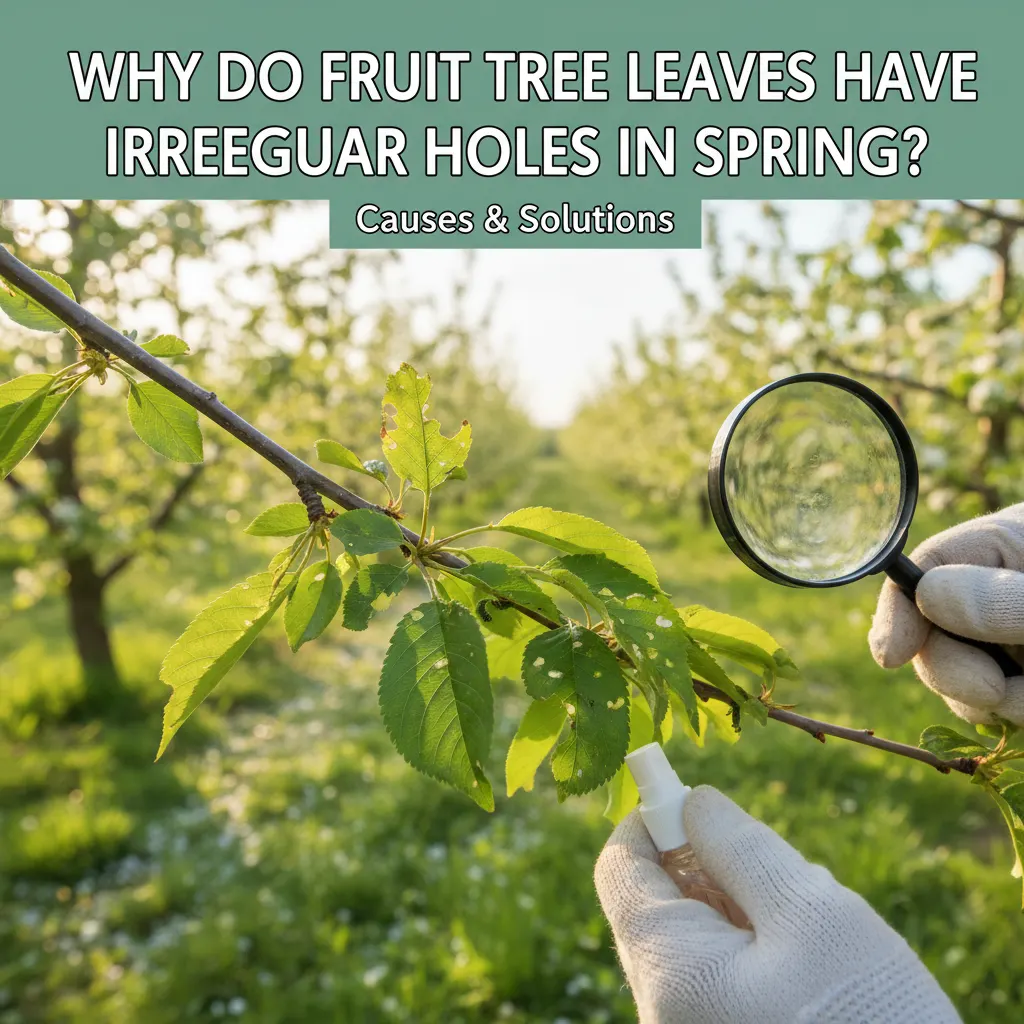
Irregular Holes in Fruit Tree Leaves: Causes & Solutions
Irregular holes in fruit tree leaves during spring are typically caused by insect feeding, fungal diseases like shot hole, or environmental damage. Accurate identification of the culprit is key to selecting the most effective and sustainable treatment, ensuring healthy tree growth and fruit production.
Spring is a critical time for fruit trees, as new, tender leaves emerge, making them highly susceptible to various threats. Understanding the specific cause of irregular holes is the first step toward protecting your harvest and maintaining tree vitality. This guide will help you diagnose the problem and implement effective solutions.
What Pests Cause Irregular Holes in Fruit Tree Leaves? 🐛
Common culprits include aphids, caterpillars, leafminers, and various beetles. Each pest leaves distinct damage patterns, from chewed edges to skeletonized leaves, requiring specific identification for targeted treatment.
Insect feeding is one of the most frequent reasons for irregular holes in fruit tree leaves during spring. Young, succulent leaves are particularly attractive to a variety of pests that emerge with warmer weather.
- Caterpillars: These larvae, such as tent caterpillars or cankerworms, chew large, irregular holes, often starting from the leaf edges. You might find them actively feeding or see their frass (excrement) on leaves.
- Beetles: Japanese beetles, flea beetles, and other chewing beetles can create numerous small, irregular holes or skeletonize leaves, leaving only the veins. They are often visible on the leaves during the day.
- Leafminers: While they don't create holes in the traditional sense, leafminers tunnel between the upper and lower surfaces of leaves, creating winding trails that can eventually cause parts of the leaf to dry out and fall away, resembling holes.
- Aphids: Although primarily sap-suckers, severe aphid infestations can cause leaves to curl, distort, and sometimes develop small holes as the damaged tissue dies and falls out. Look for sticky honeydew and tiny, pear-shaped insects on the undersides of leaves.
Tip: A hand lens can be invaluable for identifying tiny pests or their eggs on the undersides of leaves.
Which Diseases Lead to Holes in Fruit Tree Foliage? 🦠
Fungal diseases like Shot Hole (Coryneum blight) are a primary cause, creating small, circular lesions that fall out, leaving holes. Bacterial spot can also cause similar symptoms, particularly in stone fruits.
Diseases, particularly fungal ones, can mimic insect damage by causing tissue to die and drop out, leaving behind characteristic holes. These diseases thrive in moist, humid conditions often present in spring.
- Shot Hole Disease (Coryneum Blight): This is a very common fungal disease, especially on stone fruits (peaches, cherries, plums, apricots). It starts as small, reddish-purple spots on young leaves. As these spots enlarge, the center tissue dies and falls out, leaving a clean-edged hole, giving the leaf a "shotgun" appearance.
- Bacterial Spot: Affecting stone fruits, this bacterial disease causes small, angular, water-soaked spots that turn dark. The centers of these spots can also dry out and fall away, creating holes similar to shot hole disease. Look for dark, sunken lesions on twigs and fruit as well.
- Fungal Leaf Spot: Various other fungal leaf spot diseases can cause necrotic (dead) areas on leaves that may eventually drop out, leaving irregular holes. These often start as discolored spots that expand.
Warning: Always prune infected branches during dry weather to prevent further spread of fungal spores.
Environmental Factors: Non-Pest & Disease Causes 🌬️
Hail, frost, and even strong winds can physically damage young, tender leaves, resulting in irregular holes or tears. Chemical burn from improper pesticide application can also mimic pest damage.
Sometimes, the damage to fruit tree leaves isn't caused by living organisms but by the environment itself. These factors are particularly prevalent in the unpredictable spring weather.
- Hail Damage: Hailstones can physically tear and puncture young leaves, creating irregular holes and shredded edges. The damage often appears suddenly after a hailstorm.
- Frost Damage: Late spring frosts can damage newly emerged, tender leaves. Frost-damaged tissue may turn black or brown and eventually fall out, leaving holes or distorted areas.
- Wind Burn: Strong, persistent winds can abrade and tear delicate new leaves, especially if they are still unfurling. This can result in tattered edges and irregular holes.
- Chemical Burn: Improper application of pesticides, herbicides, or even some fertilizers can cause phytotoxicity. This leads to scorched spots, discoloration, and eventually holes as the damaged tissue dies and falls away. Always follow label instructions carefully.
How to Identify the Cause of Leaf Holes: A Diagnostic Guide 🔍
Examine the holes' shape, size, and location, and check for visible pests, eggs, or fungal spores. Consider the tree species, recent weather, and any applied treatments to narrow down the possibilities.
Accurate diagnosis is paramount for effective treatment. A systematic approach to inspecting your fruit trees will help you pinpoint the exact problem.
- Observe the Holes:
- Clean, circular holes that look like a shotgun blast: Likely Shot Hole Disease.
- Large, irregular holes, often from the edges: Suggests caterpillar or beetle feeding.
- Small, numerous holes, sometimes with skeletonized areas: Could be flea beetles or other chewing insects.
- Tears, shredded edges, or sudden, widespread damage: Points to environmental factors like hail or wind.
- Curled, distorted leaves with small holes: Check for aphids.
- Inspect for Pests: Carefully examine both the top and bottom of affected leaves, as well as twigs and branches. Look for insects, larvae, eggs, webbing, or sticky honeydew.
- Look for Disease Signs: Check for discolored spots, lesions, cankers on branches, or fungal fruiting bodies. Note any oozing or unusual growths.
- Consider Environmental Factors: Recall recent weather events (hail, frost, strong winds) or any recent chemical applications to the tree or surrounding area.
- Tree Species: Some pests and diseases are specific to certain fruit tree types (e.g., Shot Hole on stone fruits).
Tip: Take clear photos of the damage and any visible pests. These can be helpful when consulting with local extension services or online gardening forums.
Effective Organic Solutions for Leaf Hole Problems 🌱
Organic treatments include neem oil, insecticidal soaps, Bacillus thuringiensis (Bt) for caterpillars, and cultural practices like pruning and improving air circulation. Companion planting can also deter pests.
For gardeners preferring environmentally friendly approaches, several organic solutions can effectively manage pests and diseases causing leaf holes.
- Neem Oil: An excellent broad-spectrum organic pesticide and fungicide. It disrupts insect feeding and reproduction and can help control some fungal diseases. Apply according to label directions, typically every 7-14 days until the problem subsides.
- Insecticidal Soap: Effective against soft-bodied insects like aphids and young caterpillars. It works by suffocating them. Ensure thorough coverage, especially on the undersides of leaves.
- Bacillus thuringiensis (Bt): A naturally occurring bacterium that is highly effective against caterpillars. It's safe for beneficial insects, pets, and humans. Caterpillars ingest Bt while feeding, which paralyzes their digestive system.
- Cultural Practices:
- Hand-picking: For larger pests like caterpillars or beetles, simply pick them off and drop them into a bucket of soapy water.
- Pruning: Remove and destroy heavily infested or diseased leaves and branches to reduce pest and disease pressure. Ensure clean cuts.
- Improve Air Circulation: Proper pruning to open up the tree canopy can reduce humidity, making it less favorable for fungal diseases.
- Companion Planting: Certain plants can deter pests. For example, planting nasturtiums can act as a trap crop for aphids, drawing them away from your fruit trees.
Tip: Always apply organic sprays in the early morning or late evening to avoid harming beneficial insects and to prevent leaf burn in direct sunlight.
Chemical Treatments for Severe Fruit Tree Leaf Damage 🧪
For severe infestations or diseases, targeted fungicides or insecticides may be necessary. Always choose products specific to the pest/disease and follow label instructions carefully to avoid harming beneficial insects.
When organic methods are insufficient or the damage is extensive, chemical treatments may be required. It's crucial to use these judiciously and responsibly.
- Targeted Insecticides: If you've identified a specific insect pest and organic options aren't working, select an insecticide labeled for that pest and fruit tree type. Look for active ingredients like spinosad (effective against caterpillars and thrips) or pyrethrins (broad-spectrum, but can harm beneficials).
- Fungicides: For persistent fungal diseases like Shot Hole, copper-based fungicides or synthetic fungicides (e.g., chlorothalonil, myclobutanil) can be effective. Apply at key times, such as dormant season, bud break, and after petal fall, as recommended for the specific disease.
- Bactericides: For bacterial diseases like Bacterial Spot, copper-based sprays are often the primary chemical treatment. These are typically applied preventatively.
Warning: Read and follow all label instructions for chemical pesticides and fungicides. Pay close attention to application rates, timing, pre-harvest intervals (PHI), and personal protective equipment (PPE) requirements. Avoid spraying during bloom to protect pollinators.
Preventative Measures for Healthy Fruit Tree Leaves 🛡️
Good sanitation, proper watering, balanced fertilization, dormant oil sprays, and selecting disease-resistant varieties are crucial preventative steps to minimize spring leaf damage.
Prevention is always better than cure. Implementing a proactive care routine can significantly reduce the incidence of irregular holes in your fruit tree leaves.
- Sanitation: Regularly clean up fallen leaves and fruit around the base of your trees. Many pests and disease spores overwinter in plant debris. Prune out dead or diseased branches promptly.
- Proper Watering: Ensure your trees receive adequate water, especially during dry spells. Stressed trees are more susceptible to pests and diseases. Water at the base of the tree to keep foliage dry, reducing fungal risk.
- Balanced Fertilization: Provide balanced nutrients based on soil test results. Over-fertilizing with nitrogen can promote lush, tender growth that is more attractive to pests.
- Dormant Oil Sprays: Apply horticultural oil during the dormant season (late winter/early spring before bud break). This smothers overwintering insect eggs and some disease spores, significantly reducing spring pest populations.
- Disease-Resistant Varieties: When planting new trees, choose varieties known to be resistant to common local diseases and pests. This is one of the most effective long-term preventative strategies.
- Regular Inspection: Frequently inspect your trees, especially in spring, to catch problems early before they become severe.
Tip: Consider an Integrated Pest Management (IPM) approach, combining cultural, biological, and chemical methods for sustainable pest and disease control.
FAQ Section ❓
Can irregular holes in leaves kill my fruit tree?
While extensive defoliation from irregular holes can stress a fruit tree, it's rare for it to be directly fatal, especially in mature trees. However, severe, repeated damage can weaken the tree, reduce fruit production, and make it more susceptible to other stressors or diseases that could eventually lead to decline or death. Young trees are more vulnerable to significant damage.
Is it safe to eat fruit from a tree with damaged leaves?
Generally, yes, it is safe to eat fruit from a tree with damaged leaves, provided the fruit itself is not affected by the pest or disease. Always wash fruit thoroughly before consumption. If the fruit shows signs of disease (e.g., rot, spots) or pest infestation (e.g., larvae inside), it should be discarded or composted.
When is the best time to treat fruit tree leaf problems?
The best time to treat fruit tree leaf problems is as soon as they are identified. Early detection and intervention are crucial for effective management. For many issues, dormant season treatments (late winter/early spring) are preventative, while active treatments are applied during the growing season when pests or disease symptoms are present. Always consider the life cycle of the pest or disease.
What is the difference between shot hole disease and insect damage?
Shot hole disease typically creates small, circular holes with distinct, often reddish-purple borders, as the dead tissue cleanly falls out. Insect damage, on the other hand, usually results in more irregular, ragged holes, chewed edges, or skeletonized leaves. With insect damage, you might also find the pests themselves, their frass, or webbing, which are absent with shot hole disease.
How often should I inspect my fruit trees for leaf damage?
During the active growing season, especially in spring and early summer, you should inspect your fruit trees at least once a week. This frequent monitoring allows for early detection of problems, making them much easier to manage before they escalate. A quick walk-through can often reveal emerging issues.
Summary & Next Steps
Irregular holes in fruit tree leaves in spring are a common concern, but with careful observation and timely action, your trees can thrive. Remember these key takeaways:
- Diagnose Accurately: Distinguish between insect feeding, fungal diseases, and environmental damage.
- Act Promptly: Early intervention is crucial for effective management.
- Prioritize Prevention: Implement good cultural practices and consider dormant sprays.
- Choose Wisely: Opt for organic solutions when possible, reserving chemical treatments for severe cases.
By understanding the causes and applying appropriate solutions, you can ensure your fruit trees remain healthy and productive, yielding a bountiful harvest for years to come. Continue to monitor your trees throughout the season and adjust your care as needed.