
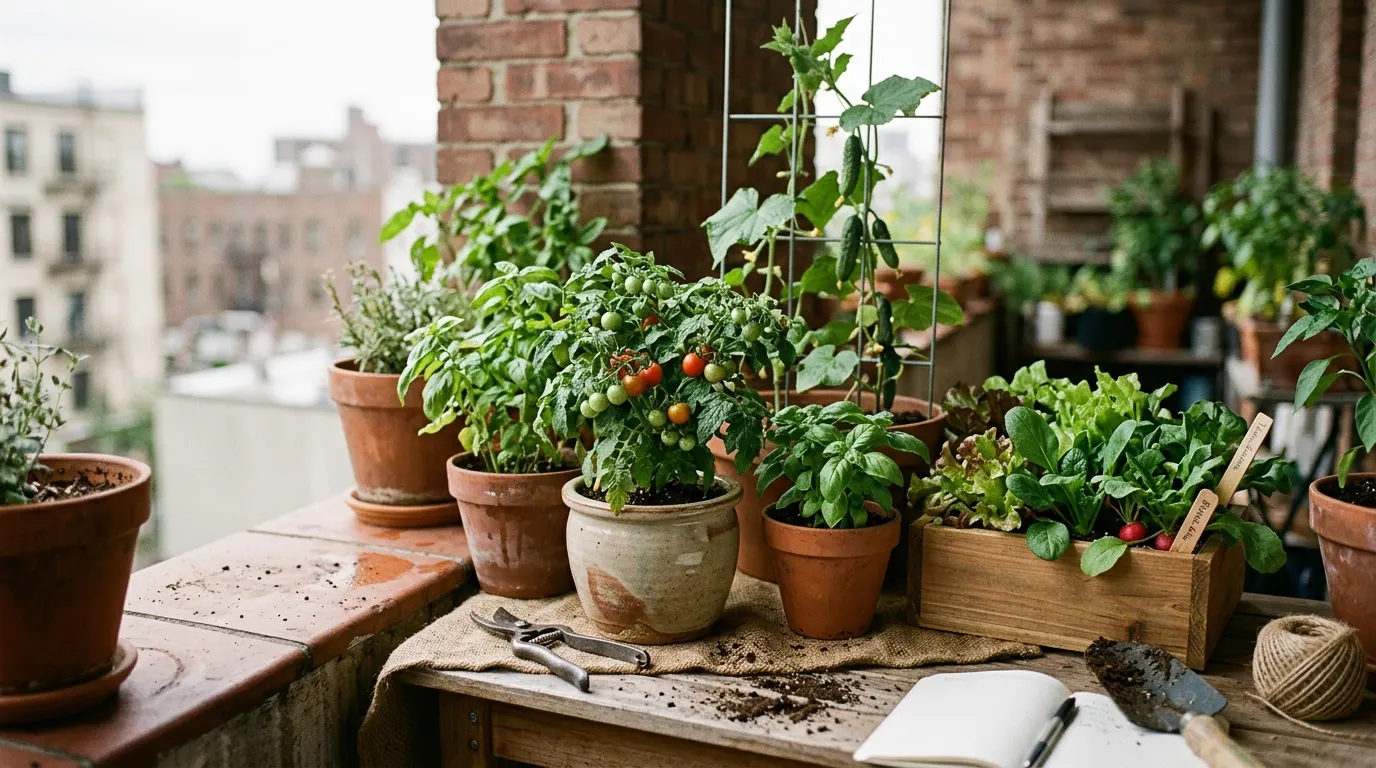
How Do You Maximize Food Production in Limited Areas?
To maximize food production in limited areas, combine vertical gardening (using trellises and wall planters) with intensive planting methods like Square Foot Gardening. Additionally, practice succession planting to stagger harvests, implement intercropping by pairing fast- and slow-growing crops, and select high-yielding, compact, or "patio" cultivars specifically bred for container and small-space environments.
As urban spaces grow tighter, learning how to grow your own food in small spaces is becoming a vital skill. Whether you have a tiny balcony, a small patio, or a compact backyard, you can produce an incredibly abundant harvest. By shifting your perspective from horizontal rows to three-dimensional space, you can unlock massive agricultural potential right at home.
Why Small-Space Food Production Matters Today 🌍
Maximizing food production in limited areas addresses urban land constraints, reduces grocery costs, and lowers your carbon footprint. By utilizing intensive growing techniques, urban gardeners can produce up to ten times more food per square foot than traditional row farming.
With over half of the global population living in urban centers, traditional sprawling gardens are no longer a reality for many. Intensive small-space gardening bridges this gap, allowing city dwellers to access fresh, nutrient-dense organic produce.
Additionally, growing your own food reduces the environmental impact associated with commercial packaging and long-distance transportation. It also gives you complete control over what goes into your food, ensuring a pesticide-free harvest.
The Core Strategies for High-Yield Small Gardens 📈
The most effective strategies for high-yield small gardens include vertical gardening, Square Foot Gardening (SFG), intercropping, and succession planting. These methods optimize spatial dimensions, soil nutrients, and time to ensure continuous, dense harvests throughout the growing season.
Vertical Gardening 🪜
When horizontal space is limited, the only way to grow is up. Vertical gardening utilizes trellises, stakes, hanging baskets, and wall-mounted pockets to grow climbing plants.
- Climbing Crops: Pole beans, peas, cucumbers, melons, and vining tomatoes are perfect candidates for vertical structures.
- Space Savings: Growing vertically can save up to 70% of ground space, leaving room for low-growing herbs and leafy greens.
- Air Circulation: Elevating plants off the ground improves air circulation, which significantly reduces the risk of fungal diseases.
Square Foot Gardening (SFG) 🟩
Square Foot Gardening is an intensive planting method that divides a growing area into a grid of one-foot squares. Instead of traditional rows, you plant a specific number of crops in each square based on their mature size.
- High Density: You can plant 1 tomato, 4 heads of lettuce, or 16 carrots per square foot.
- Weed Suppression: The dense canopy created by closely spaced plants naturally shades out weeds and retains soil moisture.
- Resource Efficiency: This method uses up to 90% less water and seed compared to traditional row gardening.
Intercropping and Companion Planting 🤝
Intercropping involves growing two or more crops together in the same space to maximize resource efficiency. Often, this pairs fast-growing crops with slow-growing ones.
- The Classic Pairing: Plant quick-harvest radishes or spinach in the spaces between slow-growing cabbages or tomatoes.
- Pest Management: Use companion plants like marigolds and basil to naturally repel pests and attract beneficial pollinators.
- Nutrient Sharing: Deep-rooted plants can draw up nutrients from deep in the soil, making them accessible to shallow-rooted neighbors.
⚠️ Warning: Avoid planting heavy feeders together, such as broccoli and cauliflower, as they will compete aggressively for the same soil nutrients.
Step-by-Step Implementation Guide for Small Spaces 🛠️
To implement a high-yield small garden, first assess your sunlight, select deep containers or raised beds, map out a grid using Square Foot Gardening, install vertical supports, and establish a strict succession planting schedule.
- Assess Your Sunlight: Most fruiting vegetables need at least 6 to 8 hours of direct sunlight daily. Leafy greens and herbs can tolerate partial shade (4 to 6 hours).
- Choose Your Containers or Beds: Opt for fabric grow bags or self-watering containers. They provide excellent drainage and prevent plants from becoming root-bound.
- Prepare a Rich Soil Mix: Mix equal parts compost, peat moss (or coconut coir), and vermiculite. This creates a lightweight, nutrient-rich, and moisture-retaining medium.
- Install Vertical Supports Early: Set up your trellises, cages, or stakes at the time of planting to avoid damaging delicate root systems later.
- Plant in Successive Waves: Plant a small batch of seeds every two weeks rather than all at once. This ensures a steady, continuous harvest instead of an overwhelming single crop.
Essential Tools and Supplies for Compact Gardens 🧰
Successful compact gardening requires space-saving tools like vertical pocket planters, modular raised beds, high-quality organic potting mixes, drip irrigation kits, and trellis systems. These tools maximize vertical space and maintain optimal soil health.
- Fabric Grow Bags: These bags allow roots to breathe and self-prune, preventing root circling and promoting healthier root systems.
- Drip Irrigation Kits: Micro-drip systems deliver water directly to the plant roots, minimizing evaporation and saving water.
- Liquid Organic Fertilizers: Because intensive planting depletes soil nutrients rapidly, liquid kelp or fish emulsion is essential for bi-weekly feeding.
- A-Frame Trellises: These structures are highly stable and allow you to grow heavy vining crops like squash and cucumbers vertically.
Troubleshooting Common Small-Space Garden Problems ⚠️
Common small-space gardening issues like rapid soil depletion, pests, and poor pollination can be resolved through regular organic fertilizing, companion planting, and manual hand-pollination. Monitoring moisture levels daily is also critical in container setups.
Rapid Soil Depletion 🪱
Because plants are packed tightly together, they consume soil nutrients at an accelerated rate. To fix this, top-dress your soil with fresh compost mid-season and apply a balanced organic fertilizer every two weeks.
Poor Pollination in Urban Areas 🐝
If you are gardening on a high-rise balcony, natural pollinators like bees may struggle to reach your plants. You can hand-pollinate squash and tomato blossoms using a small paintbrush or cotton swab to gently transfer pollen between flowers.
💡 Tip: Plant bright, nectar-rich flowers like sweet alyssum and marigolds nearby to actively lure bees and other pollinators to your balcony.
FAQ Section ❓
How can I grow the most food in a small backyard? 🏡
To grow the most food in a small backyard, build raised beds and implement the Square Foot Gardening method. Combine this with vertical trellises along fences and walls to grow climbing crops, and use succession planting to keep the soil productive year-round.
What are the best high-yield vegetables for small spaces? 🍅
The best high-yield vegetables for small spaces include cherry tomatoes, bush beans, loose-leaf lettuce, radishes, Swiss chard, and zucchini. Look specifically for "dwarf," "patio," or "compact" varieties when buying seeds.
How do you maintain soil fertility when planting intensively? 🌱
Maintain soil fertility by starting with a high-quality organic soil mix rich in compost. Supplement this throughout the growing season with worm castings, compost tea, or organic liquid fertilizers every 10 to 14 days to replenish used nutrients.
What is the difference between intercropping and succession planting? 🔄
Intercropping is the practice of growing two different crops in the same space at the same time (like planting radishes under tomatoes). Succession planting is the practice of seeding crops at staggered intervals or replanting a new crop immediately after harvesting an old one.
How do you set up a vertical vegetable garden on a balcony? 🏢
Set up a vertical balcony garden by securing sturdy wall planters, using hanging baskets for trailing crops like strawberries, or placing tall trellises inside heavy pots. Ensure all structures are securely anchored against strong winds.
Can you grow root vegetables in containers? 🥕
Yes, you can grow root vegetables like carrots, radishes, and beets in containers. Ensure the containers are at least 10 to 12 inches deep, use a loose, sandy soil mix free of rocks, and thin the seedlings early to give the roots room to expand.
Summary and Next Steps 📝
- Go Vertical: Utilize walls, railings, and trellises to expand your growing area upward.
- Plant Intensively: Use Square Foot Gardening grids to maximize plant density without overcrowding.
- Stagger Your Crops: Practice succession planting to ensure a continuous supply of fresh food.
- Feed Your Soil: Keep your soil highly fertile with regular organic compost and liquid fertilizers.
- Choose Compact Cultivars: Select dwarf or patio varieties engineered specifically for small spaces.
To get started, select one small area of your home—like a sunny windowsill or a corner of your patio—and set up your first intensive planting grid today!