
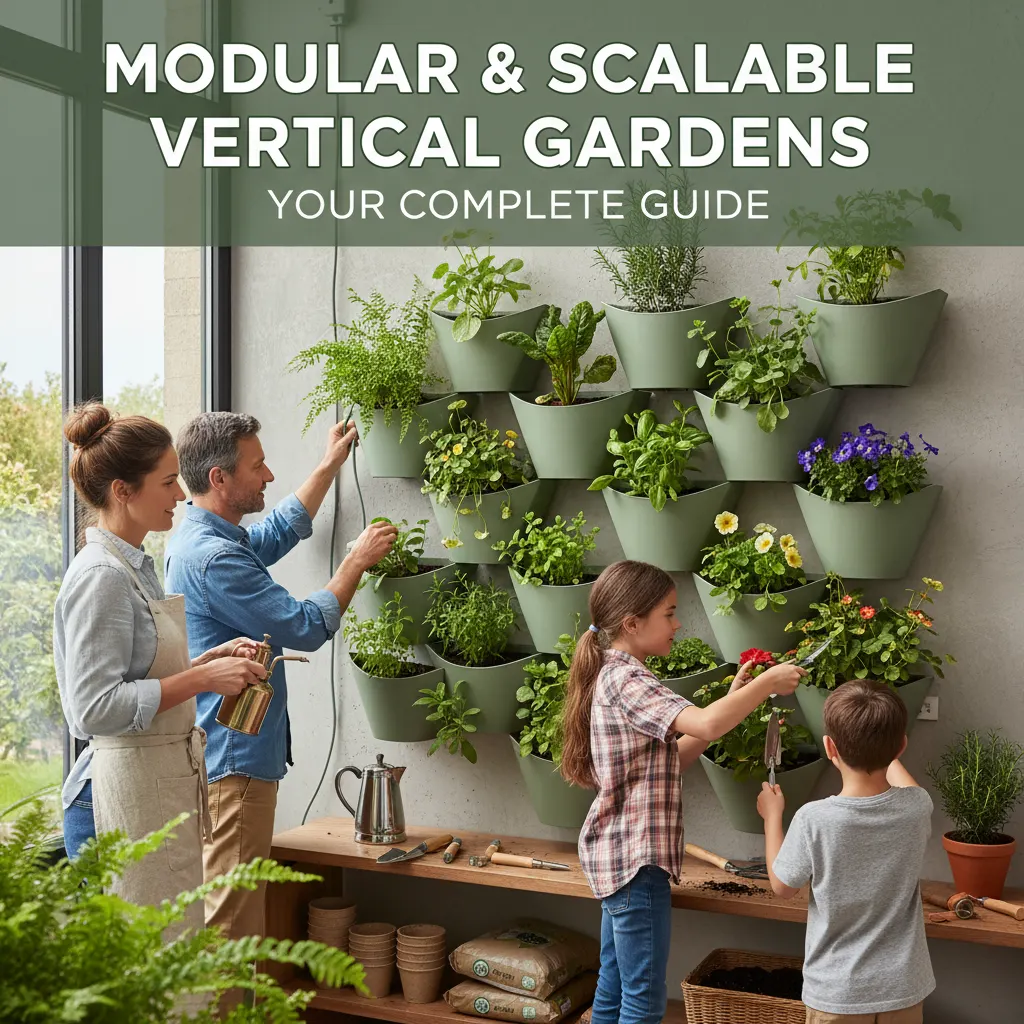
Modular & Scalable Vertical Gardens: Your Complete Guide
Modular and scalable vertical garden designs offer flexible, space-saving solutions for growing plants in urban or limited environments. They typically feature stackable or connectable units, allowing for easy expansion or reconfiguration. Key benefits include efficient water usage, increased plant density, and aesthetic appeal, making them ideal for both beginners and experienced gardeners seeking adaptable green spaces.
Urban living often presents a challenge for gardening enthusiasts: limited space. Traditional horizontal gardens are simply not feasible for many balconies, patios, or small yards. This is where modular and scalable vertical garden designs emerge as a revolutionary solution, transforming unused vertical surfaces into lush, productive green spaces. This guide will explore everything you need to know to design, implement, and maintain your own adaptable vertical garden.
Why Choose Modular & Scalable Vertical Gardens? 🌱
These systems maximize growing space, conserve water through efficient irrigation, and enhance aesthetics. Their modularity allows for easy customization and expansion, adapting to various environments and plant needs, from herbs to decorative foliage.
Modular vertical gardens are a game-changer for anyone looking to cultivate plants in compact areas. They allow you to utilize vertical real estate, turning bare walls or fences into vibrant ecosystems. This approach significantly increases your growing capacity without expanding your footprint.
Beyond space-saving, these systems often incorporate efficient watering methods, such as drip irrigation or recirculating hydroponics. This can lead to substantial water savings compared to traditional gardening, making them an environmentally conscious choice. The aesthetic appeal is undeniable, transforming drab surfaces into living art.
Tip: Consider the long-term vision for your garden. Modular systems allow you to start small and expand as your skills and space permit, making them a flexible investment.
What Types of Modular Vertical Garden Systems Exist? 🌿
Common types include pocket systems, panel systems, stackable planters, and hydroponic/aeroponic units. Each offers unique advantages in terms of installation, plant capacity, and watering methods, catering to different gardening preferences and budgets.
Understanding the different types of modular vertical garden systems is crucial for selecting the best fit for your needs. Each design offers distinct benefits and considerations for installation, plant selection, and maintenance.
1. Pocket Systems 🪴
These are typically fabric-based or felt pockets attached to a frame or directly to a wall. They are lightweight, easy to install, and excellent for herbs, leafy greens, and small flowering plants. Watering can be done manually or with a simple drip system.
2. Panel Systems 🖼️
Panel systems consist of rigid or semi-rigid panels with individual planting cells. They can be made from plastic, metal, or recycled materials. These systems often feature integrated irrigation channels and are suitable for a wider range of plants, including larger ornamentals.
3. Stackable Planters ⬆️
Stackable planters are individual pots designed to interlock or stack on top of each other, forming a tower. They are highly versatile, easy to assemble, and ideal for strawberries, herbs, and small vegetables. They are often freestanding, making them suitable for balconies or patios.
4. Hydroponic/Aeroponic Systems 💧
These advanced systems grow plants without soil, using nutrient-rich water solutions. Hydroponic systems typically involve a medium like rockwool, while aeroponic systems mist plant roots directly. They offer faster growth and significant water savings but require more initial setup and monitoring.
How to Design a Scalable Vertical Garden for Your Space? 📐
Consider available light, water access, and wall structure. Start with a small, manageable module and plan for future expansion. Choose a system that complements your aesthetic and supports the specific plants you intend to grow.
Designing your vertical garden involves more than just picking a system; it requires careful planning to ensure its success and longevity. The key is to integrate it seamlessly with your existing space and environmental conditions.
- Assess Your Space: Evaluate the amount of sunlight the chosen area receives throughout the day. Most edible plants require at least 6 hours of direct sun. Also, consider proximity to a water source for easy irrigation.
- Check Wall Integrity: If wall-mounted, ensure the wall can support the weight of the system, especially when fully watered. For freestanding systems, ensure a level and stable surface.
- Choose Your Plants: Select plants that thrive in similar light and moisture conditions. This simplifies maintenance and ensures all plants flourish. Consider mature plant size to avoid overcrowding.
- Plan for Expansion: Opt for systems that allow for easy addition of modules. This foresight prevents having to completely overhaul your setup if you decide to grow more later.
- Consider Aesthetics: The vertical garden should complement your home's design. Materials, colors, and plant choices all contribute to the overall visual appeal.
What are the Best Plants for Modular Vertical Gardens? 🍓
Ideal plants include herbs (mint, basil), leafy greens (lettuce, spinach), small fruits (strawberries), and various ornamentals (ferns, succulents). Select plants with similar light and water requirements for optimal growth within a module.
Choosing the right plants is paramount for a thriving vertical garden. The limited soil volume and specific watering conditions of vertical systems favor certain types of plants.
- Herbs: Basil, mint, chives, oregano, thyme, rosemary are excellent choices due to their compact size and frequent harvesting.
- Leafy Greens: Lettuce, spinach, kale, arugula, and Swiss chard grow well and provide continuous harvests.
- Small Fruits: Strawberries are a classic vertical garden plant, producing sweet berries in abundance. Some dwarf tomato varieties can also work.
- Ornamentals: Ferns, succulents, sedums, petunias, and impatiens add beauty and can thrive in various light conditions. Ensure they are suitable for the specific light your garden receives.
Warning: Avoid large, deep-rooted plants or those that require extensive support, as they may outgrow the modules or destabilize the system.
How to Maintain Your Modular Vertical Garden? 🚿
Regular watering, nutrient feeding, and occasional pruning are crucial. Check for pests and diseases, and ensure proper drainage. Automated irrigation systems can significantly reduce maintenance effort, especially for larger setups.
Consistent care is essential for the health and productivity of your vertical garden. While the modular design simplifies some aspects, regular attention to key areas will ensure your plants thrive.
- Watering: Vertical gardens can dry out faster than traditional beds. Monitor soil moisture daily, especially during hot weather. Automated drip irrigation systems are highly recommended for efficiency and consistency.
- Nutrient Feeding: Since soil volume is limited, plants quickly deplete available nutrients. Use a balanced liquid fertilizer regularly, following product instructions. For hydroponic systems, maintain the correct nutrient solution concentration and pH.
- Pruning and Harvesting: Regularly prune dead or yellowing leaves to encourage new growth and improve air circulation. Harvest herbs and leafy greens frequently to promote bushier plants.
- Pest and Disease Management: Inspect your plants regularly for signs of pests or diseases. Address issues promptly with organic pest control methods or appropriate treatments to prevent spread.
- Drainage: Ensure all modules have adequate drainage to prevent root rot. Check that water flows freely and doesn't pool in any section of the system.
Common Problems & Troubleshooting 🛠️
Even with the best design, vertical gardens can encounter issues. Knowing how to identify and resolve them quickly is key to maintaining a healthy garden.
- Problem: Uneven watering, some plants dry out faster.
- Solution: Adjust drip emitters or manually water dry spots. Consider a more sophisticated irrigation system with individual zone control.
- Problem: Plants showing yellowing leaves or stunted growth.
- Solution: This often indicates nutrient deficiency. Check your feeding schedule and ensure you're using a balanced fertilizer. Test soil pH if possible.
- Problem: Pests like aphids or spider mites.
- Solution: Regularly inspect plants. Use insecticidal soap, neem oil, or introduce beneficial insects. Remove affected leaves promptly.
- Problem: Algae growth in hydroponic systems.
- Solution: Ensure nutrient reservoirs are opaque to block light. Maintain proper water circulation and cleanliness.
Expert Tips & Advanced Techniques 💡
Elevate your vertical gardening game with these insights from seasoned growers.
- Crop Rotation: Even in vertical systems, rotating plant types in different modules can help prevent nutrient depletion and pest buildup.
- Companion Planting: Strategically place plants that benefit each other. For example, marigolds can deter pests, while basil can enhance tomato flavor.
- Smart Integration: Explore smart vertical garden systems that offer automated watering, lighting, and nutrient delivery, often controllable via a smartphone app.
- Vertical Composting: Some advanced systems integrate small worm composting units directly into the garden, providing a continuous supply of nutrient-rich compost tea.
- Seasonal Adaptation: For outdoor gardens, plan for seasonal changes. In colder climates, consider bringing sensitive modules indoors or planting cold-hardy varieties.
FAQ Section ❓
Are modular vertical gardens suitable for beginners?
Yes, modular vertical gardens are highly suitable for beginners. Their structured nature simplifies planting and maintenance, and the ability to start small and expand reduces initial overwhelm. Many systems come with clear instructions, making them an accessible entry point into gardening.
How much do modular vertical garden systems cost?
The cost of modular vertical garden systems varies widely based on type, material, size, and whether they include automated features. Basic pocket systems can start from $50-$100, while advanced hydroponic or large panel systems can range from $500 to several thousand dollars. DIY options are often the most budget-friendly.
Can I grow vegetables in a scalable vertical garden?
Absolutely! Many vegetables thrive in scalable vertical gardens, especially leafy greens like lettuce, spinach, and kale, as well as herbs, strawberries, and even some smaller pepper or tomato varieties. The key is to choose compact, shallow-rooted vegetables that don't require extensive support.
What are the watering requirements for vertical gardens?
Vertical gardens generally require more frequent watering than traditional ground gardens because the limited soil volume dries out faster. Daily watering may be necessary, especially in hot or windy conditions. Automated drip irrigation systems are highly recommended to ensure consistent moisture and reduce manual effort.
How do I prevent pests in my vertical garden?
Preventing pests involves regular inspection, good air circulation, and maintaining plant health. Use organic pest control methods like neem oil or insecticidal soap at the first sign of trouble. Companion planting with pest-repelling herbs can also be effective. Ensure proper spacing between plants to deter fungal diseases.
Key Takeaways for Your Vertical Garden Journey
- Space-Saving: Modular vertical gardens are ideal for maximizing growing area in urban or limited spaces.
- Flexibility: Their scalable design allows for easy expansion and reconfiguration to suit evolving needs.
- Efficiency: Many systems promote water conservation through targeted irrigation methods.
- Plant Selection: Choose plants with similar light and water requirements that are suitable for compact growing conditions.
- Consistent Care: Regular watering, feeding, pruning, and pest checks are crucial for a thriving vertical garden.
Embracing modular and scalable vertical garden designs opens up a world of possibilities for gardeners of all levels. By carefully planning your system, selecting appropriate plants, and committing to consistent care, you can transform any vertical surface into a productive and beautiful green oasis. Start small, learn as you grow, and enjoy the rewarding experience of cultivating your own vertical garden.
Summary and Next Steps
- Choose a flexible system: Modular vertical gardens work best when panels, pockets, or containers can be adjusted as plants mature.
- Plan water access early: Irrigation and drainage are harder to retrofit after planting.
- Match plants to structure: Shallow-rooted herbs and greens suit many systems, while heavier fruiting crops need stronger support.
- Scale in stages: Test one section before expanding across a wall, balcony, or fence.
Next, measure your available vertical space, choose one modular system type, confirm weight and water handling, then plant a small trial section before scaling up.