How Do Native Bee Hotels & Pollinator Gardens Boost Local Ecosystems?
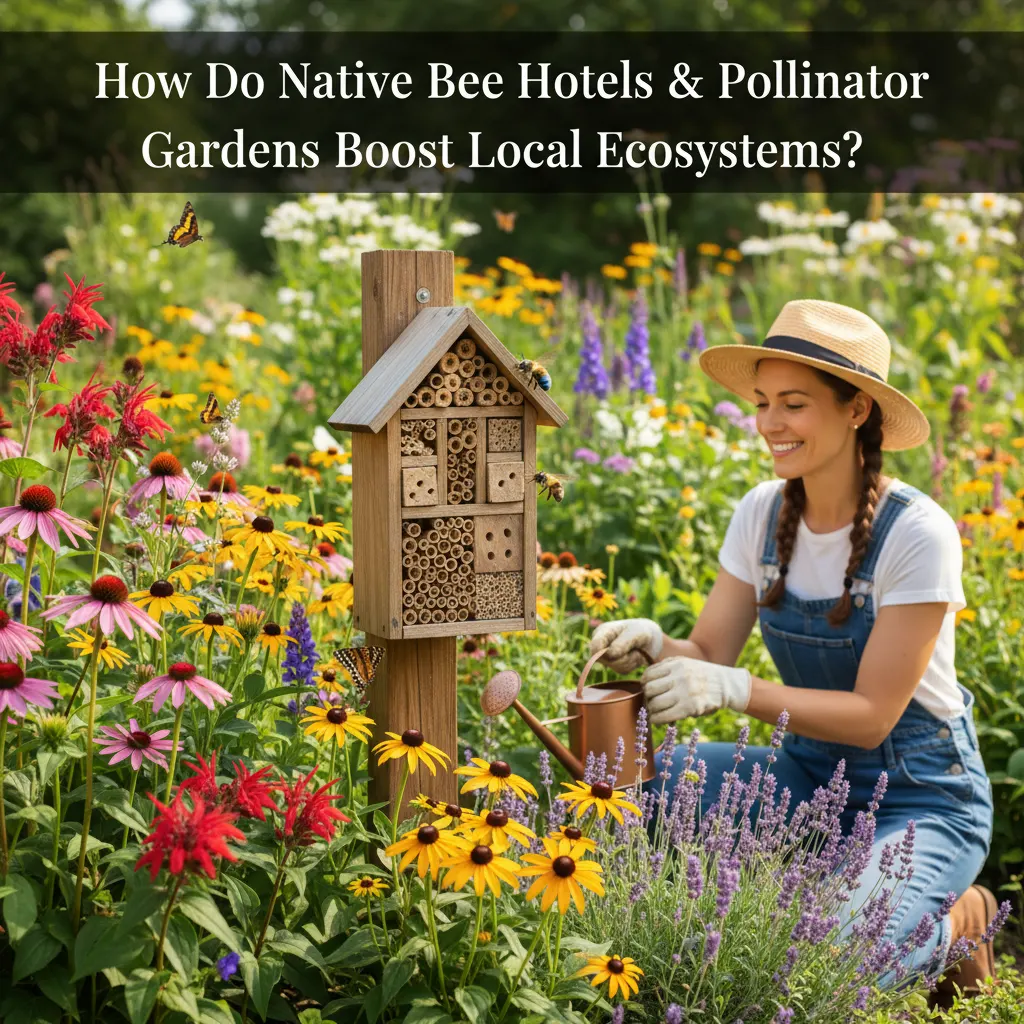
Native bee hotels and pollinator gardens are vital for supporting declining native bee populations by providing crucial nesting habitats and diverse food sources. These initiatives bolster local ecosystems, enhance biodiversity, and contribute significantly to the pollination of both wild plants and agricultural crops, ensuring ecological balance and food security.
Our planet's ecosystems rely heavily on pollinators, especially native bees, for the reproduction of countless plants. However, these essential creatures face unprecedented threats from habitat loss, pesticide use, and climate change. Creating native bee hotels and pollinator gardens offers a powerful, accessible solution to support these vital insects and strengthen local biodiversity.
What are the key benefits of native bee hotels? 🐝
Native bee hotels offer solitary bees safe, artificial nesting sites, mimicking natural cavities. This directly supports their reproduction, increases local pollinator populations, and contributes to the pollination of nearby plants, enhancing garden productivity and biodiversity.
Native bee hotels provide crucial nesting opportunities for solitary bee species, such as mason bees and leafcutter bees, which do not live in hives like honey bees. These bees are incredibly efficient pollinators, often outperforming honey bees for certain crops and wild plants.
Tip: Solitary bees are generally non-aggressive, making bee hotels safe additions to any garden, even those frequented by children and pets.
By offering a variety of tunnel sizes and materials, bee hotels cater to different species, ensuring a diverse range of pollinators can find suitable homes. This localized support helps stabilize and even increase native bee populations in your area, directly benefiting your garden and the surrounding ecosystem.
How do pollinator gardens attract and sustain native bees? 🌸
Pollinator gardens attract native bees by providing a continuous supply of nectar and pollen from diverse native plants. Strategic plant selection ensures blooms throughout the growing season, offering consistent food resources and supporting the entire life cycle of various bee species.
Pollinator gardens are designed to be a buffet for bees, offering the essential nutrients they need to thrive. Nectar provides energy, while pollen supplies protein and other vital nutrients for larval development. A well-designed garden includes a variety of flower shapes, sizes, and colors to appeal to different bee species, each with unique foraging preferences.
Warning: Avoid using any pesticides, especially systemic ones, in your pollinator garden. These chemicals can be lethal to bees and other beneficial insects, negating your conservation efforts.
Crucially, a successful pollinator garden features plants with staggered bloom times. This ensures that food resources are available from early spring through late fall, supporting bees throughout their active seasons and providing continuous sustenance for successive generations.
What are the best plants for a native bee pollinator garden? 🌼
Ideal plants for native bee gardens include coneflowers, asters, milkweed, sunflowers, and native wildflowers specific to your region. Prioritize a variety of flower shapes, sizes, and bloom times to cater to different bee species and ensure year-round foraging opportunities.
Selecting native plants is paramount because they are adapted to your local climate and soil conditions, requiring less water and maintenance once established. More importantly, native bees have co-evolved with native plants, making them the most efficient pollinators for these species.
Here are some excellent choices, but always consult local resources for species specific to your ecoregion:
- Coneflowers (Echinacea spp.): Attract a wide range of bees with their prominent central cones.
- Asters (Symphyotrichum spp.): Provide late-season nectar and pollen, crucial for bees preparing for winter.
- Milkweed (Asclepias spp.): Essential for monarch butterflies, but also a valuable nectar source for many bee species.
- Sunflowers (Helianthus annuus): Offer abundant pollen and nectar, attracting various bees.
- Goldenrod (Solidago spp.): Another late-season bloomer, often unfairly maligned for allergies (ragweed is the culprit).
- Wild Geranium (Geranium maculatum): An early spring bloomer, providing vital resources when other flowers are scarce.
Tip: Plant in drifts or clusters of the same species. This makes it easier for bees to forage efficiently, expending less energy to find their next meal.
Consider plants with different flower structures: flat, open flowers for short-tongued bees; tubular flowers for long-tongued bees; and composite flowers for generalists. This diversity ensures that your garden supports a broad spectrum of native bee species.
How to build and place an effective native bee hotel? 🏡
Construct bee hotels using untreated wood blocks with drilled holes of varying diameters (1/8 to 1/2 inch) or bundles of hollow stems. Place them in a sunny, sheltered location, facing southeast, at least 3-6 feet off the ground, to protect from rain and predators.
Building a native bee hotel is a rewarding DIY project. The key is to mimic the natural nesting sites that solitary bees seek out. Untreated wood is crucial to avoid exposing bees to harmful chemicals.
- Choose your materials:
- Wood blocks: Use a solid block of untreated wood (e.g., cedar, pine, oak) at least 4-6 inches deep.
- Hollow stems: Bamboo, reeds, or cardboard tubes can be bundled together. Ensure one end is closed.
- Drill holes (for wood blocks):
- Drill holes of varying diameters: 1/8 inch, 3/16 inch, 1/4 inch, 5/16 inch, 3/8 inch, and 1/2 inch. This caters to different bee species.
- Holes should be 3-6 inches deep, but not go all the way through the block.
- Smooth any rough edges around the holes to prevent wing damage.
- Assemble (for hollow stems):
- Cut stems to lengths of 6-8 inches.
- Ensure one end of each stem is naturally closed or seal it with clay.
- Bundle them tightly together inside a protective frame or container.
- Placement:
- Sunlight: Face the hotel southeast to catch morning sun, which helps warm the bees and dry out any moisture.
- Shelter: Protect it from strong winds and heavy rain. An overhang or roof is beneficial.
- Height: Mount it securely 3-6 feet off the ground to deter predators and keep it dry.
- Proximity: Place it near your pollinator garden or other flowering plants to provide easy access to food sources.
Caution: Avoid using plastic tubes or materials that can trap moisture, as this can lead to mold and disease, harming the bees.
Ensure the hotel is firmly mounted and doesn't swing in the wind, as this can dislodge developing larvae. A stable structure is key to a successful bee hotel.
What maintenance is required for bee hotels and pollinator gardens? upkeep 🛠️
Maintain bee hotels by replacing nesting materials annually to prevent disease and parasites. For gardens, practice organic methods, avoid pesticides, and allow some 'messy' areas for ground-nesting bees. Regular weeding and watering are also crucial for plant health.
Proper maintenance ensures that your efforts continue to benefit native bees year after year. Neglecting maintenance can inadvertently create breeding grounds for pests and diseases.
Bee Hotel Maintenance:
- Annual Replacement: For hotels with removable tubes or inserts, replace them annually in late fall or early winter after bees have emerged. For drilled wood blocks, consider replacing the entire block every 2-3 years or cleaning out old nesting material if possible.
- Cleaning: If using reusable tubes, clean them thoroughly with a mild bleach solution (1 part bleach to 9 parts water) and rinse well before drying completely.
- Storage: During winter, you can move bee hotels to an unheated shed or garage to protect them from harsh weather and predators, returning them outdoors in early spring.
Pollinator Garden Maintenance:
- Weeding: Regularly remove invasive weeds that compete with your native plants for resources.
- Watering: Provide supplemental water during dry spells, especially for newly established plants.
- No Pesticides: This is non-negotiable. Even organic pesticides can harm beneficial insects. Focus on integrated pest management (IPM) techniques like hand-picking pests or introducing beneficial insects.
- Leave the Leaves: In fall, leave some leaf litter and plant stems. Many native bees and other beneficial insects overwinter in these areas.
- Bare Ground: Designate small patches of bare, undisturbed soil for ground-nesting bees, which comprise about 70% of native bee species.
Expert Tip: Observe your bee hotel and garden regularly. This helps you identify what's working, spot potential problems early, and learn more about the fascinating native bees in your area.
By consistently maintaining both your bee hotel and garden, you create a sustainable and thriving habitat that will support native bee populations for years to come.
FAQ Section ❓
Are all bee hotels good for native bees?
No, not all bee hotels are equally beneficial. Some commercially available hotels use materials or designs that can trap moisture, promote mold, or are difficult to clean, leading to disease and parasite buildup. The best bee hotels use untreated wood with removable paper tubes or solid wood blocks with drilled holes that can be replaced or cleaned annually. Avoid hotels with plastic tubes or those made from non-breathable materials.
What's the difference between a native bee and a honey bee?
Native bees are a diverse group of over 4,000 species in North America alone, most of which are solitary (meaning each female builds her own nest) and do not produce honey in large quantities. Honey bees (Apis mellifera) are a single species, originally introduced from Europe, that live in large social colonies and are known for honey production. Native bees are often more efficient pollinators for many native plants and crops.
Can I use pesticides in a pollinator garden?
Absolutely not. Using any pesticides, including organic ones, in a pollinator garden can be detrimental to bees and other beneficial insects. Even products labeled "organic" can harm pollinators. The goal of a pollinator garden is to create a safe haven, so focus on natural pest control methods like companion planting, hand-picking pests, or encouraging predatory insects.
How often should I clean my bee hotel?
If your bee hotel uses removable paper tubes or inserts, these should be replaced annually in late fall or early winter after the bees have emerged. For solid wood blocks with drilled holes, it's recommended to replace the entire block every 2-3 years, or if possible, carefully clean out old nesting material. This prevents the buildup of parasites and diseases that can harm future generations of bees.
What if I don't have a large space for a garden?
Even small spaces can make a big difference! You can create a mini pollinator garden in containers on a balcony or patio. Choose 2-3 native flowering plants that provide continuous blooms. A small bee hotel can also be mounted on a fence or wall. Every little bit of habitat helps support local bee populations.
Summary & Next Steps 🚀
Creating native bee hotels and pollinator gardens is a powerful way to combat pollinator decline and enhance local ecosystems. These initiatives provide essential nesting sites and diverse food sources, directly supporting the health and reproduction of native bees.
Key takeaways:
- Native bee hotels offer crucial nesting habitats for solitary bees.
- Pollinator gardens provide continuous food resources through diverse native plants.
- Selecting regional native plants is vital for optimal bee attraction and ecosystem health.
- Proper construction and placement of bee hotels ensure their effectiveness.
- Consistent, organic maintenance is key to a thriving bee habitat.
Ready to make a difference? Start by researching native plants for your specific region. Consider building a simple bee hotel this weekend. Every action, no matter how small, contributes to a healthier planet for us all.