
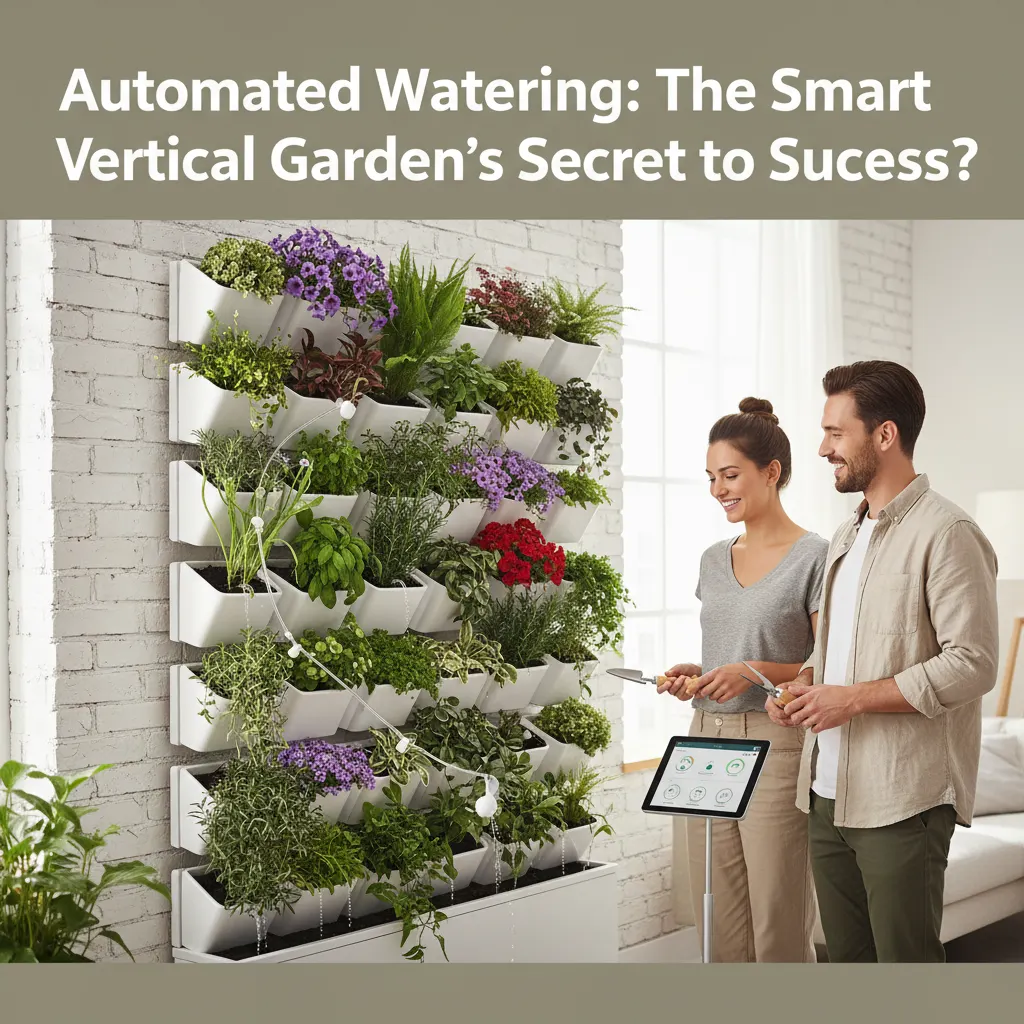
Automated Watering: The Smart Vertical Garden's Secret to Success?
Smart vertical gardens utilize integrated sensors, programmable timers, and automated irrigation systems to deliver precise amounts of water directly to plant roots, optimizing hydration, conserving water, and promoting healthier growth with minimal human intervention. These systems are crucial for maintaining consistent plant health and maximizing yields in compact spaces.
Vertical gardening offers an innovative solution for growing plants in limited spaces, from urban balconies to indoor walls. However, ensuring consistent and optimal watering can be a challenge. This is where smart vertical gardens with automated watering systems revolutionize plant care, transforming a labor-intensive task into an efficient, hands-off process. This article will explore how these intelligent systems work, their myriad benefits, and how you can implement them for thriving plants.
What is Automated Watering in Vertical Gardens? 🌱
Automated watering systems deliver water and nutrients to vertical garden plants on a schedule or based on sensor data, eliminating manual watering and ensuring consistent plant hydration. This technology removes the guesswork and inconsistency often associated with hand-watering, leading to more stable growing conditions.
Automated watering in vertical gardens refers to the use of technology to manage the delivery of water and, often, nutrients to plants without direct human intervention. Instead of manually pouring water, these systems employ pumps, timers, and various delivery mechanisms to ensure each plant receives the precise amount of moisture it needs. This approach is particularly beneficial for vertical setups where reaching every plant can be cumbersome.
Tip: Consistent moisture levels are critical for plant health, especially in vertical gardens where growing media can dry out quickly. Automation helps maintain this consistency.
These systems can range from simple timer-based drip irrigation to sophisticated setups that monitor environmental conditions and adjust watering schedules accordingly. The core goal is to optimize water usage, prevent over or under-watering, and free up the gardener's time.
How Do Smart Vertical Gardens Automate Watering? ⚙️
Smart vertical gardens use a combination of moisture sensors, programmable timers, pumps, and drip or hydroponic systems to precisely control water delivery, often managed via a central controller or app. This integrated approach allows for highly efficient and responsive irrigation.
The automation process in smart vertical gardens typically involves several key components working in concert:
- Water Reservoir: A container holding the water supply, often mixed with nutrients.
- Pump: Moves water from the reservoir through the delivery system.
- Tubing and Emitters: A network of tubes delivers water directly to the plant roots, often via drip emitters or spray nozzles.
- Controller/Timer: The brain of the system, scheduling watering cycles. Smart controllers can be programmed via apps and respond to sensor data.
- Sensors:
- Moisture Sensors: Measure the water content in the growing medium, triggering watering cycles when levels drop below a set threshold.
- pH/EC Sensors: In hydroponic systems, these monitor nutrient concentration and acidity, ensuring optimal nutrient uptake.
- Light/Temperature Sensors: Can adjust watering based on environmental factors that influence plant water needs.
When the system detects that plants need water (either by schedule or sensor input), the pump activates, drawing water from the reservoir and distributing it evenly to all plants. Advanced systems can even adjust the amount of water based on plant type or growth stage.
Benefits of Automated Watering for Your Vertical Garden ✨
Automated watering offers significant advantages including water conservation, consistent nutrient delivery, reduced labor, prevention of over/under-watering, and healthier, more productive plants. These benefits make vertical gardening more accessible and sustainable.
Implementing an automated watering system in your vertical garden brings a host of advantages:
- Water Conservation: Automated systems deliver water precisely where and when it's needed, minimizing evaporation and runoff. According to University agricultural extension programs, targeted drip systems can reduce water consumption by up to 90% compared to traditional methods.
- Time-Saving: Eliminates the daily chore of manual watering, freeing up valuable time for other gardening tasks or leisure.
- Consistent Plant Health: Prevents the stress of inconsistent watering, leading to stronger, healthier plants and often higher yields. Plants receive a steady supply of water and nutrients.
- Nutrient Delivery: Many systems can integrate nutrient dosing, ensuring plants receive a balanced diet directly to their roots, preventing deficiencies.
- Prevents Over/Under-watering: Sensors and precise timers eliminate the common problems of drowning plants or letting them dry out, which are frequent causes of plant failure.
- Flexibility: Allows you to go on vacation without worrying about your plants, as the system will continue to care for them.
Warning: While automated, regular checks are still necessary to ensure all components are functioning correctly and emitters aren't clogged.
Choosing the Right Automated Watering System: Drip vs. Hydroponics 💧
Drip irrigation is ideal for soil-based vertical gardens, delivering water slowly to roots. Hydroponic systems, like NFT or DWC, circulate nutrient-rich water directly to bare roots, offering faster growth and greater water efficiency.
When selecting an automated watering system for your vertical garden, the primary choice often comes down to the growing method: soil-based (requiring drip irrigation) or soilless (hydroponics).
Drip Irrigation Systems
- Best for: Soil or coco coir-based vertical gardens.
- How it works: A network of small tubes delivers water directly to the base of each plant through individual emitters. Water slowly drips, allowing the growing medium to absorb it efficiently.
- Pros: Simple to set up, relatively inexpensive, conserves water, suitable for a wide range of plants.
- Cons: Emitters can clog, requires monitoring of soil moisture, less precise nutrient delivery than hydroponics.
Hydroponic Systems
- Best for: Soilless vertical gardens (e.g., NFT, DWC, aeroponics).
- How it works: Plants grow with their roots directly in nutrient-rich water or a sterile growing medium. Water is continuously circulated or periodically sprayed onto the roots.
- Types:
- Nutrient Film Technique (NFT): A thin film of nutrient solution flows over the roots.
- Deep Water Culture (DWC): Plant roots are submerged in an aerated nutrient solution.
- Aeroponics: Roots are suspended in air and misted with nutrient solution.
- Pros: Extremely water-efficient (closed-loop systems), faster plant growth, precise nutrient control, no soil-borne pests.
- Cons: Can be more complex and expensive to set up, requires careful monitoring of pH and EC levels, power dependency.
Your choice will depend on your budget, experience level, and the specific plants you intend to grow. For beginners, a drip irrigation system for a soil-based vertical garden is often the easiest entry point.
Step-by-Step: Setting Up Your Automated Vertical Garden Watering System 🛠️
This section will guide you through selecting components, assembling the system, programming timers or controllers, and initial testing for optimal performance. Proper setup ensures efficient and reliable plant hydration.
Setting up an automated watering system might seem daunting, but by following these steps, you can create an efficient system for your vertical garden:
Plan Your Layout:
- Determine the number of plants and their positions in your vertical garden.
- Measure the distances between plants and from the water source to plan tubing length.
- Consider the type of plants; some may need more water than others.
Gather Your Components:
- Water Reservoir: Choose a size appropriate for your garden's needs (e.g., 5-gallon bucket for small setups, larger bins for extensive gardens).
- Submersible Pump: Select a pump with adequate GPH (gallons per hour) and head height for your system's size.
- Tubing: Main supply line (e.g., 1/2 inch) and smaller feeder lines (e.g., 1/4 inch).
- Drip Emitters/Hydroponic Components: Based on your chosen system (e.g., adjustable drippers, NFT channels).
- Fittings: Connectors, elbows, T-joints, end caps.
- Programmable Timer/Smart Controller: Essential for scheduling.
- Moisture Sensors (Optional but Recommended): For smart, responsive watering.
Assemble the System:
- Place the pump in the water reservoir.
- Connect the main supply line to the pump's outlet.
- Run the main supply line along your vertical garden structure.
- Attach smaller feeder lines from the main line to each plant, securing them with connectors.
- Install drip emitters at the base of each plant or set up your hydroponic channels/misters.
- Secure all tubing to prevent kinks and ensure proper water flow.
Connect and Program the Controller:
- Plug the pump into the programmable timer or smart controller.
- Set your watering schedule. Start with short cycles (e.g., 5-10 minutes) 1-2 times a day and adjust as needed.
- If using smart sensors, calibrate them according to the manufacturer's instructions and link them to your controller via an app.
Test and Adjust:
- Fill the reservoir with water and run a test cycle.
- Check all connections for leaks.
- Observe water distribution to ensure every plant receives adequate moisture. Adjust emitter flow rates if necessary.
- Monitor plant health over the next few days and fine-tune your watering schedule based on plant response and growing medium moisture.
Tip: For hydroponic systems, regularly check and adjust pH and EC levels in the nutrient reservoir to ensure optimal plant growth.
Common Problems & Troubleshooting for Automated Watering Systems 🚨
Automated systems can encounter issues like clogs, leaks, or sensor malfunctions. Regular inspection and prompt troubleshooting are key to maintaining system efficiency and preventing plant stress.
Even the most advanced automated watering systems can experience hiccups. Here are some common problems and their solutions:
- Problem: Emitters are clogged or not dripping.
- Solution: Disassemble and clean emitters. Use filtered water in your reservoir to prevent mineral buildup. Flush the system periodically with plain water.
- Problem: Leaks in the tubing or connections.
- Solution: Inspect all connections. Tighten loose fittings. Replace cracked or damaged tubing. Ensure proper installation of clamps or seals.
- Problem: Pump not working.
- Solution: Check power supply and connections. Ensure the water level in the reservoir is sufficient. Clean the pump's intake filter. If still not working, the pump may need replacement.
- Problem: Plants are still wilting or showing signs of stress.
- Solution: Check moisture sensor readings (if applicable) or manually check soil moisture. Adjust watering frequency or duration. Ensure emitters are delivering water directly to the root zone. Check for root rot if over-watering is suspected.
- Problem: Algae growth in reservoir or tubing.
- Solution: Use an opaque reservoir to block light. Clean the reservoir regularly. Consider adding a small amount of hydrogen peroxide (food-grade) to the water to inhibit algae, but research proper dilution rates for your plants.
- Problem: Controller/Timer malfunction.
- Solution: Check batteries (if applicable). Reset the controller. Ensure it's properly programmed. Consult the manufacturer's manual for specific troubleshooting steps.
Expert Tips & Advanced Techniques for Smart Vertical Gardens 🧠
Optimizing nutrient delivery, integrating smart home technology, and utilizing AI-powered diagnostics can elevate your automated vertical garden, ensuring peak plant health and efficiency.
To truly maximize the potential of your smart vertical garden, consider these expert tips and advanced techniques:
- Nutrient Dosing Pumps: For hydroponic or advanced soil-based systems, integrate an automated nutrient dosing pump. These devices precisely add liquid fertilizers to your reservoir based on programmed schedules or sensor readings (pH/EC), ensuring plants always have optimal nutrient availability. This prevents nutrient deficiencies or imbalances.
- IoT Integration: Connect your smart vertical garden controller to your home's IoT ecosystem. This allows for remote monitoring and control via smartphone apps, voice commands, and integration with other smart devices (e.g., smart lights for grow lights).
- AI-Powered Plant Diagnostics: Emerging technologies offer AI-powered cameras and sensors that can analyze plant health, identify pests or diseases, and even recommend specific care adjustments. While still developing, these tools promise highly personalized plant care.
- Modular Design: Choose modular vertical garden systems that allow for easy expansion or reconfiguration. This flexibility is crucial as your gardening needs evolve or if you want to experiment with different plant types.
- Closed-Loop Systems: For ultimate water efficiency, especially in hydroponics, ensure your system is closed-loop, meaning all excess water is collected and recirculated. This minimizes waste and maximizes resource utilization.
- Species-Specific Watering: If growing diverse plants, consider setting up separate watering zones or adjusting emitter flow rates to cater to individual plant water requirements. For example, herbs might need less water than leafy greens.
Insight: Regular calibration of sensors (especially pH and EC) is vital for accuracy in advanced systems. Refer to reputable gardening technology manufacturers for best practices.
FAQ Section ❓
How much water does an automated vertical garden use?
Automated vertical gardens are highly water-efficient. Drip irrigation systems can reduce water usage by 50-90% compared to traditional gardening, while closed-loop hydroponic systems can use up to 95% less water by recirculating the nutrient solution. Actual consumption depends on plant type, climate, and system design.
Can I use an automated system for both indoor and outdoor vertical gardens?
Yes, automated watering systems are suitable for both indoor and outdoor vertical gardens. For outdoor systems, consider weather-resistant components and adjust watering schedules for rainfall and increased evaporation in warmer weather. Indoor systems benefit from consistent environmental controls.
What kind of plants thrive with automated vertical garden watering?
Most common vertical garden plants thrive with automated watering, including leafy greens (lettuce, spinach, kale), herbs (basil, mint, cilantro), strawberries, and many small fruiting vegetables (cherry tomatoes, peppers). The consistent moisture and nutrient delivery are ideal for their growth.
How often should I check my automated watering system?
While automated, it's recommended to check your system weekly for clogs, leaks, algae growth, and proper sensor function. For hydroponic systems, daily or bi-daily checks of pH and EC levels are crucial. Regular maintenance prevents minor issues from becoming major problems.
Are automated vertical gardens expensive to set up?
The cost varies widely. Basic drip irrigation kits can start from $50-$100, while advanced hydroponic systems with smart controllers and sensors can range from $300 to over $1000. Consider your budget, garden size, and desired level of automation when choosing a system.
Key Takeaways for Your Smart Vertical Garden
- Efficiency is Key: Automated watering systems are the cornerstone of efficient vertical gardening, saving water, time, and ensuring consistent plant health.
- Choose Wisely: Select between drip irrigation (for soil) and hydroponics (for soilless) based on your garden type and experience level.
- Smart Integration: Leverage sensors and smart controllers for responsive, data-driven watering that prevents common plant care mistakes.
- Regular Maintenance: Even automated systems require periodic checks and cleaning to ensure optimal performance and longevity.
- Healthier Plants: Consistent hydration and nutrient delivery lead to more robust, productive, and stress-free plants.
Embrace the future of gardening by integrating automated watering into your vertical garden. It's a smart investment that pays dividends in thriving plants and a simplified gardening experience. Start planning your automated system today and watch your vertical garden flourish!
Summary and Next Steps
- Automate the basics: Timers, drip lines, and moisture sensors reduce missed watering and uneven moisture.
- Keep control manual when needed: Automation should support observation, not replace plant checks.
- Design for access: Pumps, reservoirs, filters, and emitters need regular inspection and cleaning.
- Tune by plant type: Herbs, greens, and ornamentals may need different watering frequency in the same vertical system.
Next, map your vertical garden zones, choose a timer or sensor system, test water flow before planting, and check moisture daily for the first week.