
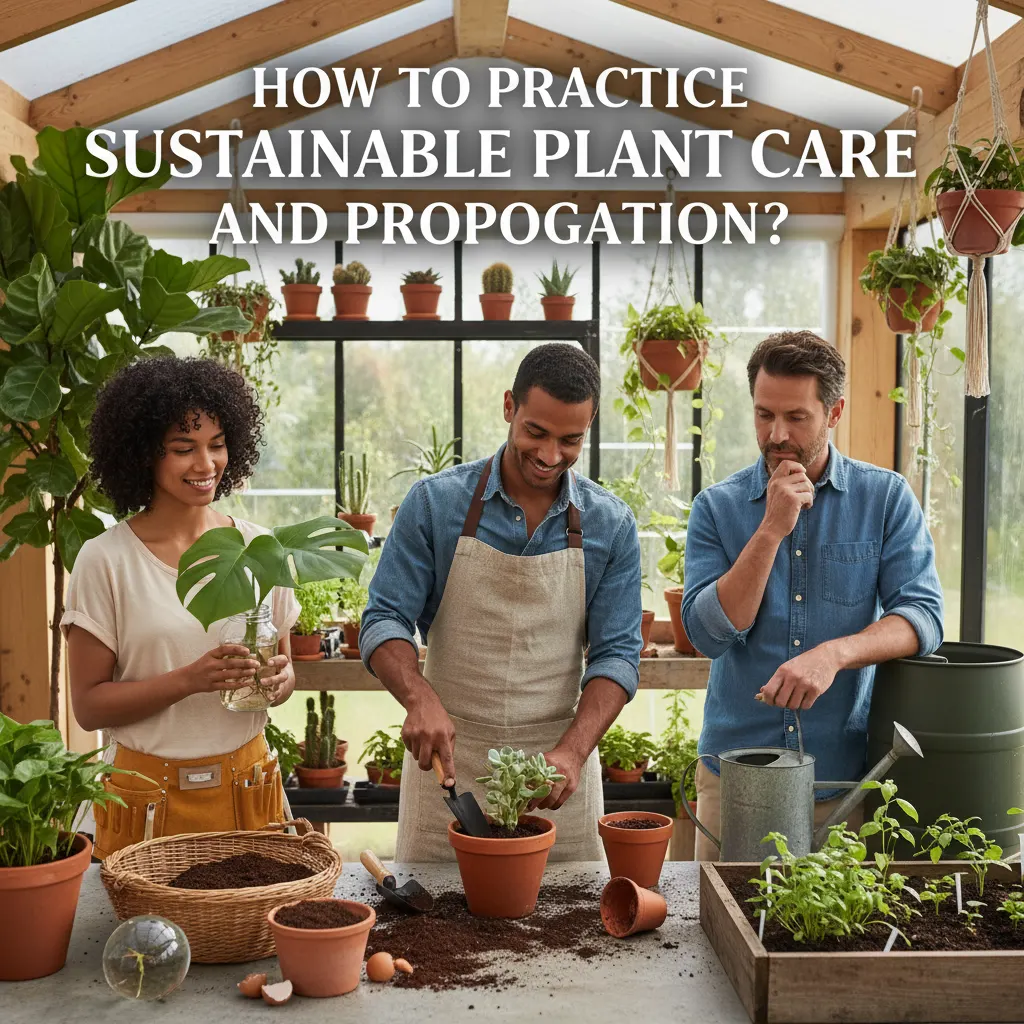
How to Practice Sustainable Plant Care and Propagation?
Sustainable plant care and propagation involve eco-conscious methods that prioritize environmental health and resource conservation. This includes utilizing organic soil amendments, implementing efficient watering systems, employing natural pest management, and propagating plants from existing stock to minimize waste. These practices ensure robust plant growth while fostering ecological balance and reducing your carbon footprint.
Embracing sustainable plant care and propagation methods is not just a trend; it's a vital step towards a healthier planet and more resilient gardening practices. This comprehensive guide will walk you through actionable strategies to cultivate your green space responsibly, ensuring long-term vitality for your plants and the environment.
What is Sustainable Plant Care? 🌱
Sustainable plant care focuses on ecological balance, resource conservation, and minimizing environmental impact. It encompasses practices like organic fertilization, water-wise irrigation, and natural pest control to foster healthy plants and ecosystems.
Sustainable plant care is an approach to gardening that seeks to minimize negative environmental impacts while maximizing plant health and productivity. It moves beyond conventional methods that often rely on synthetic chemicals and excessive resource consumption. Instead, it champions practices that work in harmony with nature.
This philosophy considers the entire lifecycle of a plant, from seed to decomposition. It emphasizes creating a self-sustaining ecosystem where plants thrive with minimal external inputs. By adopting these methods, gardeners can reduce their carbon footprint, conserve precious resources, and contribute to local biodiversity.
"Sustainable plant care is about working with nature, not against it. It's a holistic approach that benefits both your garden and the planet." - University Extension programs
Why is Sustainable Plant Propagation Important? 🌍
Sustainable propagation reduces reliance on commercial nurseries, conserves genetic diversity, and minimizes the carbon footprint associated with plant transport. It promotes self-sufficiency and ensures the long-term availability of desired plant varieties.
Propagating plants sustainably means creating new plants from existing ones using methods that are environmentally sound. This practice significantly reduces the demand for commercially grown plants, which often involve long-distance transportation, plastic packaging, and sometimes unsustainable growing practices.
By propagating your own plants, you contribute to preserving genetic diversity, especially when dealing with heirloom or rare varieties. It also fosters a deeper connection to your plants and gardening process. This self-sufficiency is a cornerstone of sustainable living, empowering gardeners to grow their collections without external dependencies.
How to Choose Sustainable Plant Materials? 🌿
Opt for locally sourced, native plants adapted to your climate, reducing water and chemical needs. Select organic, non-GMO seeds and plants from reputable growers who avoid harmful pesticides and unsustainable practices.
Selecting the right plant materials is the first step in sustainable gardening. Native plants are an excellent choice because they are naturally adapted to your local climate and soil conditions. This means they require less water, fertilizer, and pest control, making them inherently more sustainable.
When purchasing seeds or plants, look for organic, non-GMO (genetically modified organism) options. These ensure that your plants haven't been treated with harmful chemicals and contribute to a healthier ecosystem. Researching reputable local nurseries or seed banks that prioritize sustainable practices is also crucial.
"Prioritize native plants and organic seeds to build a resilient and eco-friendly garden from the ground up." - Organic Gardening Magazine
What are Effective Natural Pest Control Methods? 🐞
Employ integrated pest management (IPM) strategies such as introducing beneficial insects, using neem oil or insecticidal soaps, companion planting, and maintaining plant health to naturally deter pests without harsh chemicals.
Natural pest control is a cornerstone of sustainable plant care, protecting your plants without harming beneficial insects, wildlife, or the environment. Integrated Pest Management (IPM) is a holistic approach that combines several strategies to manage pests effectively.
- Beneficial Insects: Introduce natural predators like ladybugs, lacewings, or parasitic wasps to control common pests such as aphids and mites. Many garden centers offer these insects for purchase.
- Organic Sprays: Use neem oil, insecticidal soap, or garlic spray as natural deterrents. These are effective against a range of pests but are less harmful to beneficial insects than synthetic pesticides.
- Companion Planting: Strategically plant certain species together to deter pests. For example, marigolds can repel nematodes, and basil can deter flies and mosquitoes.
- Physical Barriers: Use row covers or netting to protect vulnerable plants from flying insects and larger pests.
- Maintain Plant Health: Healthy plants are more resistant to pests. Ensure proper watering, nutrition, and air circulation to keep your plants robust.
"IPM is about prevention and observation. Address pest issues early with natural solutions before they escalate." - University Extension programs
How to Conserve Water in Plant Care? 💧
Implement drip irrigation, collect rainwater, use mulch to retain soil moisture, and select drought-tolerant plant species. Water deeply and infrequently, preferably in the early morning or late evening to minimize evaporation.
Water conservation is paramount in sustainable plant care, especially in regions prone to drought. Efficient watering practices not only save a precious resource but also promote healthier root development in plants.
- Drip Irrigation: Install drip irrigation systems or soaker hoses that deliver water directly to the plant roots, minimizing evaporation and runoff. This can reduce water usage by up to 50% compared to overhead sprinklers.
- Rainwater Harvesting: Set up rain barrels or larger rainwater harvesting systems to collect precipitation. This free, chlorine-free water is excellent for plants.
- Mulching: Apply a 2-4 inch layer of organic mulch (e.g., wood chips, straw, shredded leaves) around plants. Mulch suppresses weeds, regulates soil temperature, and significantly reduces water evaporation from the soil.
- Drought-Tolerant Plants: Choose plants native to arid regions or those known for their low water requirements. Succulents, many herbs, and certain ornamental grasses are excellent choices.
- Deep, Infrequent Watering: Instead of frequent shallow watering, water deeply to encourage roots to grow further down into the soil, making plants more resilient to dry spells. Water in the early morning or late evening to avoid peak evaporation times.
"A well-mulched garden and efficient irrigation are your best allies in water conservation." - EPA WaterSense Program
What are the Benefits of Composting for Plants? ♻️
Composting enriches soil with essential nutrients, improves soil structure, enhances water retention, and reduces the need for synthetic fertilizers. It diverts organic waste from landfills, creating a valuable resource for plant health.
Composting is a cornerstone of sustainable gardening, transforming organic waste into a nutrient-rich soil amendment. This process offers a multitude of benefits for both your plants and the environment.
- Nutrient Enrichment: Compost provides a slow-release source of essential macro and micronutrients, feeding your plants naturally over time. This reduces reliance on synthetic chemical fertilizers.
- Improved Soil Structure: Adding compost improves soil aggregation, making heavy clay soils more workable and increasing the water retention of sandy soils. It also enhances aeration, crucial for root health.
- Enhanced Water Retention: Organic matter in compost acts like a sponge, holding moisture in the soil. This means plants need less frequent watering, contributing to water conservation.
- Disease Suppression: Healthy, biologically active soil fostered by compost can help suppress plant diseases and deter pests.
- Waste Reduction: Composting diverts kitchen scraps and yard waste from landfills, where they would otherwise produce methane, a potent greenhouse gas. It's a powerful way to reduce your household's environmental impact.
How to Propagate Plants from Cuttings? ✂️
Select healthy, non-flowering stems, make a clean cut below a node, remove lower leaves, and dip the cut end in rooting hormone (optional). Plant in a well-draining medium and maintain humidity until roots form.
Propagating plants from cuttings is a rewarding and sustainable way to expand your plant collection or share with friends. It's a form of asexual reproduction, meaning the new plant will be genetically identical to the parent.
- Choose Your Cutting: Select a healthy, non-flowering stem from the parent plant, typically 4-6 inches long. Look for stems that are firm but not woody.
- Make the Cut: Using clean, sharp pruning shears or a knife, make a diagonal cut just below a leaf node (the point where a leaf or branch emerges). This area contains hormones that promote root growth.
- Prepare the Cutting: Remove any leaves from the bottom 1-2 inches of the stem to prevent rot when planted. If desired, dip the cut end into a rooting hormone powder or gel to encourage faster root development.
- Plant the Cutting: Insert the prepared cutting into a well-draining rooting medium, such as perlite, vermiculite, sand, or a seed-starting mix. You can also root some plants directly in water.
- Provide Ideal Conditions: Place the potted cutting in a warm location with indirect light. Maintain high humidity by covering it with a plastic bag or placing it in a propagation dome. Keep the medium consistently moist but not waterlogged.
- Monitor for Roots: Roots typically form within a few weeks to a few months, depending on the plant species. Gently tug on the cutting; if there's resistance, roots have likely formed. Once established, you can transplant it to a larger pot or garden.
"Patience is key when propagating cuttings. Provide consistent care, and you'll be rewarded with new plants." - The National Gardening Association
What are Essential Seed Saving Techniques? 🌾
Collect seeds from open-pollinated, healthy plants after they mature and dry. Clean seeds thoroughly, remove debris, and store them in cool, dark, and dry conditions in airtight containers for future planting.
Seed saving is an ancient practice that allows gardeners to preserve genetic diversity, save money, and cultivate plants perfectly adapted to their local environment. It's a vital component of sustainable gardening.
- Choose Open-Pollinated Varieties: Only save seeds from open-pollinated (OP) or heirloom varieties. Hybrid (F1) seeds will not produce plants true to the parent. Ensure the parent plant is healthy and vigorous.
- Allow Seeds to Mature: Let the seeds fully mature on the plant. For many vegetables and flowers, this means allowing the fruit or seed pod to dry and turn brown on the plant before harvesting.
- Harvesting: Carefully collect the mature seeds. For dry seeds (like beans, peas, or lettuce), simply remove them from their pods or heads. For wet seeds (like tomatoes or cucumbers), ferment them first to remove germination inhibitors and pulp.
- Cleaning and Drying: Thoroughly clean the seeds to remove any chaff, pulp, or debris. Spread them in a single layer on a screen or paper plate in a well-ventilated area away from direct sunlight to dry completely. This can take several days to weeks.
- Storage: Once completely dry, store seeds in airtight containers (e.g., glass jars, sealed envelopes) in a cool, dark, and dry location. Label containers with the plant name and date of collection. Proper storage can keep seeds viable for several years.
"Saving seeds connects you to generations of gardeners and ensures the future of your favorite plant varieties." - Organic Gardening Magazine
Common Problems & Troubleshooting 🛠️
Sustainable plant care, while rewarding, can present its own set of challenges. Understanding common issues and their eco-friendly solutions is key to success.
Why are my plants still getting pests despite natural methods? 🐛
Natural pest control requires consistent observation and a multi-pronged approach. If pests persist, reassess your IPM strategy. Ensure you're introducing beneficial insects at the right time, applying organic sprays thoroughly, and maintaining overall plant health. Sometimes, a combination of methods is needed, or the pest pressure is unusually high. Consider rotating crops and improving soil health to boost plant resilience.
My compost isn't breaking down. What's wrong? 🗑️
Compost piles need a balance of "greens" (nitrogen-rich, like kitchen scraps) and "browns" (carbon-rich, like dry leaves), moisture, and aeration. If your compost isn't breaking down, it's likely too dry, too wet, or lacks proper aeration. Turn the pile regularly, add water if it's dry, or add more browns if it's too wet. Ensure materials are chopped into smaller pieces for faster decomposition.
How can I improve water retention in my sandy soil? 🏜️
Sandy soils drain quickly, leading to frequent watering needs. The best solution is to consistently amend your soil with organic matter, such as compost. Compost acts like a sponge, significantly increasing the soil's water-holding capacity. Additionally, applying a thick layer of mulch will further reduce evaporation and help retain moisture.
Expert Tips & Advanced Techniques 💡
Elevate your sustainable gardening game with these expert insights and advanced practices.
- Embrace Polyculture: Instead of monoculture (growing a single crop), practice polyculture by planting a diverse array of species together. This mimics natural ecosystems, enhances biodiversity, confuses pests, and improves soil health.
- Build Living Soil: Focus on feeding the soil, not just the plants. Incorporate cover crops, compost, and organic mulches to foster a thriving soil microbiome. Healthy soil is the foundation of sustainable gardening.
- Practice Crop Rotation: Rotate your crops annually to prevent the buildup of specific pests and diseases in the soil and to balance nutrient depletion. This is especially important for vegetable gardens.
- Utilize Greywater (where permitted): In some regions, treated greywater (from sinks, showers, and laundry) can be safely used for irrigation. Research local regulations and proper filtration methods before implementing.
- Create a Wildlife Habitat: Design your garden to attract beneficial wildlife, such as birds, bees, and butterflies. Provide food sources (native plants), water, and shelter to support a balanced ecosystem that naturally controls pests and aids pollination.
FAQ Section ❓
Is organic fertilizer always sustainable?
While organic fertilizers are generally more sustainable than synthetic ones, their sustainability can vary. Look for fertilizers derived from local, renewable resources, such as compost, worm castings, or sustainably harvested kelp. Avoid those with high energy inputs for processing or long-distance transport. The most sustainable approach is to build healthy soil through composting, reducing the need for external fertilizers.
Can I propagate all plants sustainably?
Most plants can be propagated sustainably using methods like cuttings, division, or seed saving. However, some plants are patented or have specific propagation restrictions. Additionally, certain rare or difficult-to-propagate species might require specialized techniques or controlled environments. For the vast majority of common garden and houseplants, sustainable propagation is entirely feasible and encouraged.
What are common mistakes in sustainable plant care?
Common mistakes include overwatering (even with efficient systems), neglecting soil health, not properly identifying pests before applying treatments, and failing to adapt practices to local climate conditions. Another mistake is trying to do too much too soon; start with a few sustainable practices and gradually expand as you gain experience.
How do I start a sustainable garden?
Start by assessing your local climate and soil. Choose native and drought-tolerant plants. Begin composting your kitchen and yard waste. Implement water-saving techniques like mulching and drip irrigation. Gradually transition away from chemical pesticides and fertilizers, opting for natural alternatives. Start small, learn from your experiences, and expand your sustainable practices over time.
What tools are essential for sustainable propagation?
Essential tools for sustainable propagation include clean, sharp pruning shears for taking cuttings, recycled or reusable seed-starting trays, a compost bin for creating nutrient-rich soil, and a hand trowel for planting. Consider investing in a rain barrel for water collection. Opt for tools made from durable, sustainable materials whenever possible.
Summary: Cultivating a Greener Future 🌿
Embracing sustainable plant care and propagation is a powerful way to nurture your plants while protecting the planet. By integrating eco-friendly practices into your gardening routine, you contribute to a healthier environment and a more resilient ecosystem.
- Prioritize Soil Health: Build living soil with compost and organic matter.
- Conserve Water: Implement efficient irrigation and mulching.
- Go Natural on Pests: Use IPM and beneficial insects.
- Propagate Responsibly: Grow new plants from cuttings and saved seeds.
- Choose Wisely: Select native, organic, and locally sourced plant materials.
Start small, learn continuously, and enjoy the profound satisfaction of growing a garden that thrives in harmony with nature. Your efforts will yield not only beautiful plants but also a more sustainable future.