
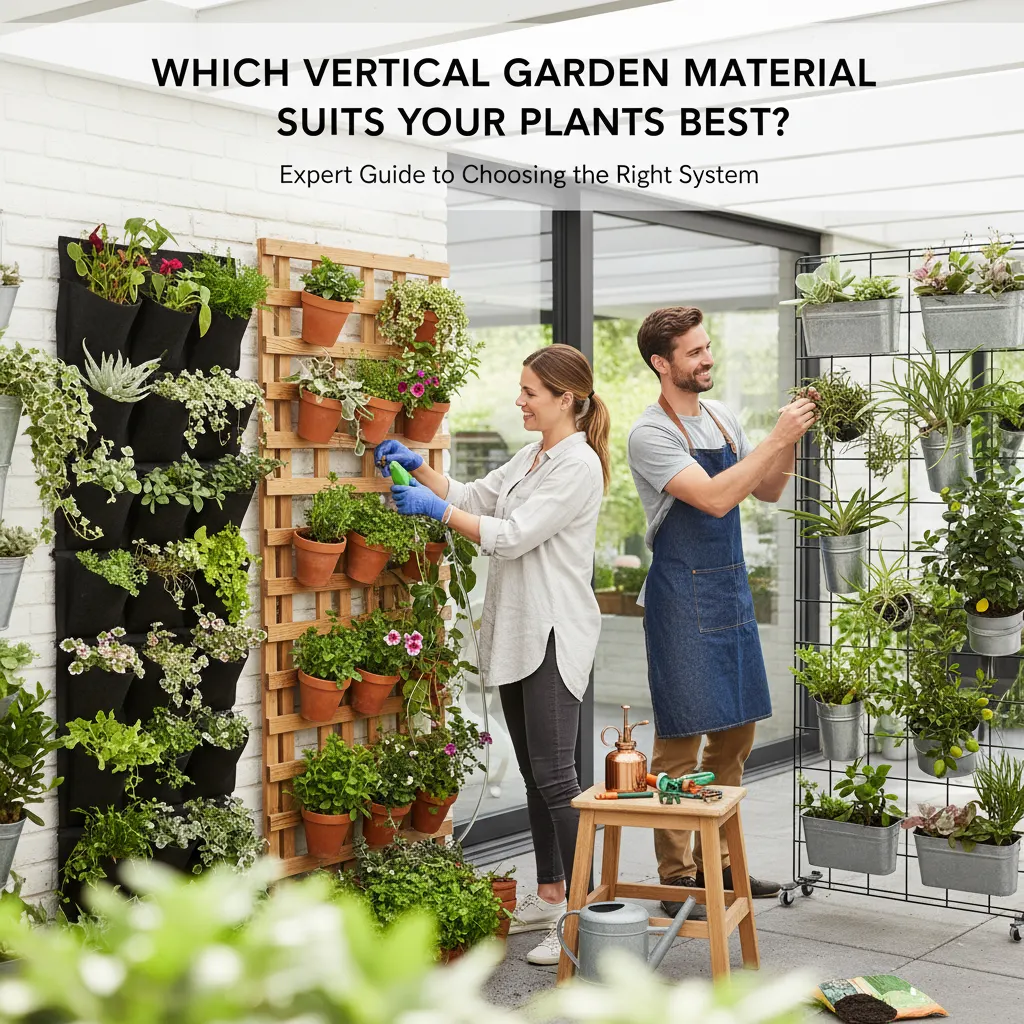
Which Vertical Garden Material Suits Your Plants Best?
Selecting the ideal vertical garden material is crucial for plant health and garden longevity. Fabric offers superior drainage and breathability, perfect for moisture-sensitive plants. Plastic provides durability and versatility for various species. Wood delivers aesthetic appeal but demands more upkeep, suiting plants that thrive in consistent moisture.
Vertical gardening has surged in popularity, transforming small spaces into lush, productive havens. But with various materials available—from sleek plastics to natural woods and breathable fabrics—choosing the right system can feel overwhelming. Your choice directly impacts plant health, maintenance, and the overall success of your green wall.
This comprehensive guide will break down the pros and cons of the most common vertical garden materials, helping you select the perfect match for your plants, aesthetic preferences, and gardening goals. We'll explore how each material performs under different conditions and for specific plant types, ensuring your vertical garden thrives.
Fabric Vertical Gardens: Breathable & Lightweight 🌱
Fabric vertical gardens, often made from recycled PET plastic, excel in aeration and drainage, preventing root rot. They are lightweight and flexible, ideal for herbs, leafy greens, and strawberries, but may dry out faster and have a shorter lifespan.
Fabric pocket systems are a popular choice for their flexibility and ease of installation. They typically consist of multiple pockets sewn onto a larger sheet, which can be hung on a wall or fence. The material, often a non-woven geotextile, allows for excellent air circulation around plant roots.
"Fabric vertical gardens are fantastic for root health due to their 'air-pruning' effect, which encourages a dense, fibrous root system instead of circling roots."
Pros of Fabric Vertical Gardens:
- Excellent Drainage & Aeration: Prevents waterlogging and root rot, crucial for many plant types.
- Lightweight & Flexible: Easy to install, move, and adapt to various spaces.
- Affordable: Generally less expensive upfront compared to other systems.
- Eco-Friendly Options: Many are made from recycled materials.
- Good for Root Health: Promotes air-pruning, leading to healthier root development.
Cons of Fabric Vertical Gardens:
- Faster Drying: Requires more frequent watering, especially in hot climates.
- Shorter Lifespan: Typically lasts 3-7 years before material degradation.
- Less Structural Support: May not be suitable for very large or heavy plants.
- Aesthetic Limitations: Can look less polished than rigid systems over time.
Best for Plant Types:
- Herbs: Basil, mint, oregano, thyme
- Leafy Greens: Lettuce, spinach, kale, Swiss chard
- Strawberries: Their shallow roots and trailing habit are well-suited.
- Small Annual Flowers: Petunias, impatiens
Plastic Vertical Gardens: Durable & Versatile 🛠️
Plastic vertical garden modules are highly durable, easy to clean, and retain moisture well. They suit a broad range of plants, including flowering annuals, small vegetables, and even some succulents, offering a long-lasting and low-maintenance solution.
Plastic systems come in various forms, including modular planters, stackable pots, and self-watering units. They are typically made from UV-stabilized polypropylene or ABS plastic, ensuring longevity and resistance to weather elements. Their rigid structure provides excellent support for plants.
"When choosing plastic, look for food-grade, UV-stabilized options to ensure safety for edible plants and extended outdoor life."
Pros of Plastic Vertical Gardens:
- Durability & Longevity: Can last for decades, resisting UV degradation and weathering.
- Moisture Retention: Better at holding water, reducing watering frequency.
- Easy to Clean: Smooth surfaces are simple to wipe down and sanitize.
- Structural Support: Provides robust support for a wider variety of plant sizes.
- Versatile Designs: Available in many colors, shapes, and self-watering configurations.
Cons of Plastic Vertical Gardens:
- Less Breathable: Can lead to root rot if overwatered, especially without proper drainage holes.
- Can Heat Up: Darker plastics can absorb heat, potentially stressing roots in direct sun.
- Environmental Concerns: While durable, non-recycled plastics contribute to waste.
- Higher Initial Cost: Often more expensive than fabric systems.
Best for Plant Types:
- Flowering Annuals: Geraniums, marigolds, petunias
- Small Vegetables: Cherry tomatoes, peppers, bush beans
- Succulents & Cacti: With proper drainage and a well-draining soil mix.
- Perennials: Small hostas, ferns (depending on light and moisture needs)
Wooden Vertical Gardens: Natural & Aesthetic 🌳
Wooden vertical gardens provide a natural, rustic aesthetic and are often made from cedar or treated pine. They are best for plants that appreciate consistent moisture, like ferns or some edibles, but require regular sealing or treatment to prevent rot and pest issues.
Wooden systems can range from simple pallet gardens to elaborate tiered planters. They offer a warm, organic look that blends beautifully with natural landscapes. Common wood types include cedar, redwood, and treated pine, each with varying levels of natural rot resistance.
"Cedar and redwood are naturally rot-resistant and excellent choices for wooden vertical gardens, though they come at a higher cost. If using treated pine, ensure it's safe for edible plants."
Pros of Wooden Vertical Gardens:
- Natural Aesthetic: Blends seamlessly with outdoor environments, offering a rustic charm.
- Insulating Properties: Wood can help insulate roots from extreme temperature fluctuations.
- Customizable: Relatively easy to build DIY systems to specific dimensions.
- Sturdy: Provides strong support for plants.
Cons of Wooden Vertical Gardens:
- Prone to Rot & Pests: Requires regular sealing, staining, or treatment to prevent decay and insect infestation.
- Heavier: Can be difficult to move once assembled and filled.
- Shorter Lifespan (Untreated): Untreated wood will degrade quickly, especially in humid climates.
- Maintenance Intensive: Needs annual upkeep to maintain appearance and structural integrity.
- Water Absorption: Can absorb water, potentially leading to mold or mildew if not properly ventilated.
Best for Plant Types:
- Moisture-Loving Plants: Ferns, mosses, some shade-loving annuals.
- Edibles (with proper treatment): Herbs, leafy greens, small root vegetables.
- Trailing Plants: Ivy, pothos (for aesthetic appeal).
Choosing for Specific Plant Types: A Quick Guide 🌿
For herbs and leafy greens, fabric or plastic are excellent. Succulents and cacti thrive in well-draining fabric or plastic with good airflow. Flowering plants and small vegetables can do well in plastic, while moisture-loving plants might benefit from wood.
Matching your plant's needs to the material's properties is key to a thriving vertical garden. Consider factors like water requirements, root structure, and light exposure when making your decision.
Herbs & Leafy Greens:
- Fabric: Ideal due to excellent drainage and aeration, preventing soggy roots.
- Plastic: Good choice for moisture retention, but ensure adequate drainage holes.
- Wood: Suitable if regularly maintained and plants are chosen for consistent moisture.
Succulents & Cacti:
- Fabric: Excellent for sharp drainage and airflow, mimicking their natural arid environments.
- Plastic: Works well with a gritty, fast-draining soil mix and careful watering.
- Wood: Generally not recommended due to moisture retention and potential for rot.
Flowering Plants & Small Vegetables:
- Plastic: Most versatile, offering good support and moisture retention for consistent growth.
- Fabric: Suitable for smaller, lighter flowering plants and shallow-rooted vegetables.
- Wood: Can work for some flowering plants and edibles, but requires more attention to moisture levels.
Moisture-Loving Plants (e.g., Ferns, Mosses):
- Wood: Its natural moisture absorption can be beneficial, but ensure good air circulation to prevent mold.
- Plastic: Can work if consistently watered, but monitor for root rot.
- Fabric: May dry out too quickly for truly moisture-dependent species.
Maintenance & Longevity: What to Expect 💧
Fabric gardens may need more frequent watering and replacement every few years. Plastic systems are low maintenance and last for decades. Wooden gardens require annual sealing and inspection for rot or pests, impacting their long-term durability.
The amount of effort you're willing to put into maintenance should heavily influence your material choice. Each material has distinct care requirements that affect its lifespan and your gardening experience.
Fabric Vertical Gardens:
- Watering: Often requires daily watering, especially in hot, sunny conditions, due to rapid evaporation.
- Cleaning: Can be washed, but may accumulate mineral deposits over time.
- Lifespan: 3-7 years, depending on UV exposure and material quality. Pockets may stretch or tear.
- Replacement: Individual pockets or entire systems may need replacement.
Plastic Vertical Gardens:
- Watering: Less frequent watering needed due to better moisture retention. Monitor soil moisture with a meter.
- Cleaning: Easy to wipe down with soap and water. Resistant to algae and mold.
- Lifespan: 10-20+ years for UV-stabilized plastics, making them a long-term investment.
- Replacement: Individual modules can often be replaced if damaged.
Wooden Vertical Gardens:
- Watering: Varies by wood type and climate; wood itself can absorb some moisture.
- Cleaning: Can be brushed or gently washed. Prone to algae and mold in damp conditions.
- Lifespan: 5-15 years, highly dependent on wood type, treatment, and maintenance. Untreated wood degrades quickly.
- Maintenance: Annual sealing or staining is crucial to prevent rot, warping, and pest infestation. Inspect regularly for damage.
Common Problems & Troubleshooting 🐛
Vertical gardens, regardless of material, can face specific challenges. Knowing how to identify and address them will keep your plants healthy.
Problem: Root rot in vertical gardens
Solution: Ensure adequate drainage and aeration. Fabric pockets are excellent for this, while plastic systems require careful watering. Avoid overwatering, especially in less breathable materials. Consider adding perlite or vermiculite to your potting mix to improve drainage. For plastic systems, verify that drainage holes are not blocked.
Problem: Short lifespan of vertical garden materials
Solution: Choose UV-stabilized plastic for longevity (decades). Fabric typically lasts 3-7 years. Wooden systems require regular sealing and maintenance to extend their life. For fabric, consider bringing it indoors during harsh winter months or extreme summer sun to prolong its life. For wood, use high-quality sealants and position it to avoid constant dampness.
Problem: Inconsistent watering for different plant needs
Solution: Group plants with similar water requirements. Fabric systems may need more frequent watering for thirsty plants, while plastic retains moisture longer. Consider drip irrigation for larger systems, allowing you to customize water delivery to different sections. Use a moisture meter to accurately assess soil dampness before watering.
Problem: Pests and diseases in vertical gardens
Solution: Good air circulation is key. Fabric systems naturally offer this. For plastic and wood, ensure plants aren't too crowded. Regularly inspect plants for early signs of pests or disease. Use organic pest control methods like neem oil or insecticidal soap. Promptly remove any infected plant material to prevent spread.
Expert Tips & Advanced Techniques 💡
Elevate your vertical gardening game with these insights from seasoned growers.
- Automated Watering Systems: For larger vertical gardens or busy gardeners, consider installing a drip irrigation system with a timer. This ensures consistent moisture, especially for fabric systems that dry out quickly.
- Soil Mix Matters: Use a high-quality, lightweight potting mix that drains well. For succulents, amend with extra perlite or sand. For moisture-loving plants, a mix with coco coir can help retain water.
- Plant Rotation: Periodically rotate your plants, especially in systems where some pockets receive more sun or shade, to ensure even growth and health.
- Fertilization: Vertical gardens have limited soil volume, so regular, diluted liquid fertilization is crucial. Follow product instructions carefully to avoid over-fertilizing.
- Consider Microclimates: Observe how sun, wind, and shade affect different parts of your vertical garden. This will inform your plant placement and watering schedule.
FAQ Section ❓
Are fabric vertical gardens good for root health?
Yes, fabric vertical gardens are excellent for root health. The breathable material allows for natural air-pruning, which prevents roots from circling and encourages a dense, fibrous root system. This leads to stronger, healthier plants that are less prone to root rot.
Can I grow vegetables in plastic vertical garden planters?
Absolutely! Many plastic vertical garden planters are designed specifically for growing vegetables. Look for food-grade, UV-stabilized plastic to ensure safety and longevity. Small vegetables like cherry tomatoes, peppers, lettuce, and herbs thrive in these systems, provided they have adequate drainage and sunlight.
What kind of wood is best for outdoor vertical gardens?
For outdoor wooden vertical gardens, naturally rot-resistant woods like cedar or redwood are ideal. If using treated pine, ensure it's labeled as safe for gardening and edible plants. Regular sealing or staining with a non-toxic, weather-resistant product is essential to prolong the lifespan of any wooden system.
How often do I need to water plants in a fabric vertical garden?
Plants in a fabric vertical garden typically require more frequent watering than those in plastic or wood systems. In hot, sunny, or windy conditions, daily watering might be necessary. In cooler, shadier environments, every 2-3 days could suffice. Always check the soil moisture before watering.
Do wooden vertical gardens attract pests?
Wooden vertical gardens can attract pests, particularly if the wood is untreated or begins to rot. Pests like termites, carpenter ants, and wood-boring beetles can be an issue. Regular inspection, proper sealing, and ensuring good air circulation can help deter pests. Using naturally resistant woods also reduces this risk.
Key Takeaways & Next Steps 🚀
Choosing the right vertical garden material is a foundational decision that impacts your garden's success and your enjoyment. Each material offers unique advantages and disadvantages, making the "best" choice highly personal.
- Fabric: Best for breathability, drainage, and lightweight applications, ideal for herbs and leafy greens, but requires more frequent watering and has a shorter lifespan.
- Plastic: Offers durability, versatility, and good moisture retention, suitable for a wide range of plants including vegetables and flowers, with minimal maintenance.
- Wood: Provides a natural aesthetic and insulation, good for moisture-loving plants, but demands significant maintenance to prevent rot and pest issues.
Consider your plant types, local climate, desired aesthetic, and maintenance commitment before making your selection. Don't be afraid to experiment with different materials or even combine them to create a diverse and thriving vertical oasis. Start small, observe how your plants respond, and adjust your approach as you gain experience. Happy vertical gardening!