
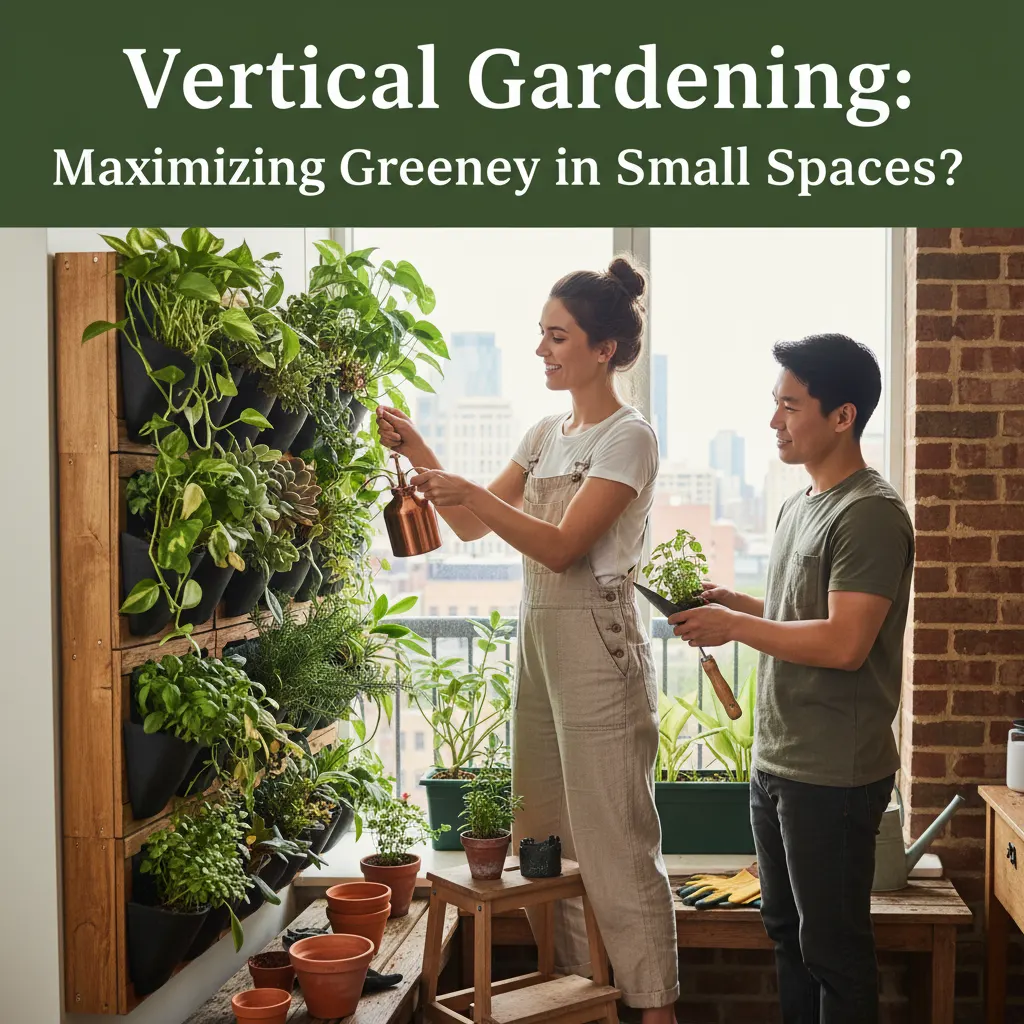
Vertical Gardening: Maximizing Greenery in Small Spaces?
Vertical gardening is an innovative and efficient method for cultivating plants in confined areas by utilizing vertical surfaces. This approach allows individuals to grow a diverse array of plants, from edibles to ornamentals, in urban apartments, small patios, or even indoors, transforming limited space into lush, productive green zones.
In today's urbanized world, where every square foot counts, traditional gardening often feels like an unattainable luxury. However, the desire to connect with nature, grow fresh produce, and enhance living spaces remains strong. Vertical gardening offers a revolutionary solution, transforming unused walls, fences, and balconies into vibrant, thriving gardens. This guide will explore how to harness the power of vertical gardening to create lush, productive green spaces, no matter how small your footprint.
Why Choose Vertical Gardening for Limited Space?
Vertical gardening maximizes planting density per square foot, making it ideal for urban dwellers. It conserves floor space, enhances air quality, and adds aesthetic appeal to otherwise unused vertical areas, promoting biodiversity even in compact environments.
For anyone living in an apartment, condo, or a home with a tiny yard, the dream of a flourishing garden can seem out of reach. Vertical gardening shatters this limitation by taking your garden upwards. Instead of spreading out, plants grow on a vertical plane, utilizing walls, fences, or specially designed structures. This method dramatically increases your growing capacity without consuming precious floor space. Beyond the obvious space-saving benefits, vertical gardens contribute to improved air quality, act as natural insulators, and offer a unique aesthetic appeal that can transform bland walls into living art. They also provide an accessible gardening option for those with mobility issues, as many systems can be designed for easy reach.
What Types of Vertical Garden Systems Are Best for Small Areas?
Popular systems include wall-mounted planters, tiered planters, hanging pockets, and hydroponic towers. Each offers unique benefits for different plant types and space constraints, from simple DIY setups to advanced automated systems.
Choosing the right vertical gardening system depends on your space, budget, and the types of plants you wish to grow. Wall-mounted planters, such as individual pots or modular panels, are excellent for creating a green wall on a balcony or patio. Tiered planters, which stack pots or trays vertically, are perfect for herbs and small vegetables, offering multiple growing levels in a compact footprint. Fabric hanging pockets are lightweight, affordable, and ideal for succulents, herbs, or annual flowers. For those interested in more advanced methods, hydroponic towers circulate nutrient-rich water, allowing for rapid growth of leafy greens and strawberries with minimal soil. DIY options, using repurposed materials like pallets or plastic bottles, also provide cost-effective and customizable solutions.
Which Plants Thrive in Small Vertical Gardens?
Herbs (basil, mint, thyme), leafy greens (lettuce, spinach), strawberries, small peppers, and many ornamental flowers (petunias, impatiens) are excellent choices. Select plants with shallow root systems and compact growth habits for optimal success.
Not all plants are suited for vertical living. The best candidates are those with shallow root systems, compact growth habits, and a tendency to trail or cascade. Herbs like basil, mint, chives, and oregano are perfect, as are leafy greens such as lettuce, spinach, and Swiss chard. Strawberries are a popular choice for their cascading nature and delicious fruit. Small varieties of peppers and cherry tomatoes can also thrive with adequate support. For ornamental appeal, consider petunias, impatiens, ferns, or succulents, which add texture and color without requiring deep soil. Always consider the light conditions of your vertical space when selecting plants; sun-loving plants will struggle in shade, and vice-versa.
How Can I Build a DIY Vertical Garden on a Budget?
Repurpose pallets, plastic bottles, or old gutters into planters. Stack crates or use hanging shoe organizers. Focus on secure mounting and adequate drainage. Simple, cost-effective materials can create functional and attractive vertical gardens.
Creating a vertical garden doesn't have to break the bank. Many common household items and inexpensive materials can be repurposed into effective growing systems. Old wooden pallets can be transformed into multi-tiered planters by adding landscape fabric to create pockets. Plastic soda bottles, cut in half and inverted, can be strung together to form a hanging garden. PVC pipes or old rain gutters can be mounted horizontally to create rows for herbs or greens. Even a simple over-the-door shoe organizer with fabric pockets can become a thriving herb garden. The key to successful DIY vertical gardens is ensuring proper drainage to prevent root rot and secure mounting to prevent accidents. Get creative with materials you already have or can source cheaply, and you'll be surprised at what you can build.
What Are Essential Maintenance Tips for Vertical Gardens?
Regular watering is crucial, often more frequent than traditional gardens due to faster drainage. Ensure adequate sunlight, provide balanced fertilization, and monitor for pests. Pruning helps maintain plant health and shape in confined spaces.
Maintaining a vertical garden requires a slightly different approach than traditional ground-level beds. Due to increased air circulation and shallower soil depths, vertical gardens tend to dry out faster. Daily watering, or even twice daily in hot weather, might be necessary. Consider installing a drip irrigation system for efficiency. Sunlight is another critical factor; ensure all plants receive their required amount, rotating planters if necessary. Fertilization is also important, as nutrients can leach out quickly; use a balanced liquid fertilizer regularly. Finally, keep a close eye on your plants for any signs of pests or diseases. Early detection and organic pest control methods, like neem oil or insecticidal soap, can prevent major infestations. Regular pruning will encourage bushier growth and prevent plants from becoming leggy.
Common Problems & Troubleshooting
Problem: Plants are wilting despite regular watering.
Solution: This could indicate overwatering (leading to root rot) or underwatering. Check soil moisture deeply. If soil is soggy, improve drainage. If dry, increase watering frequency. Also, consider if plants are getting too much direct, intense sun.
Problem: Uneven growth across the vertical garden.
Solution: Uneven growth is often due to inconsistent light exposure or nutrient distribution. Rotate your vertical garden periodically to ensure all plants receive adequate sunlight. For hydroponic systems, check nutrient solution circulation. For soil-based systems, ensure even fertilization.
Problem: Pests are appearing frequently.
Solution: Vertical gardens can be susceptible to pests due to plant density. Regularly inspect plants. Use organic pest control methods like insecticidal soap or neem oil. Introduce beneficial insects if possible. Ensure good air circulation to deter fungal issues.
Expert Tips & Advanced Techniques
- Automated Watering Systems: For busy gardeners, investing in a drip irrigation system with a timer can be a game-changer, ensuring consistent moisture without daily effort.
- Nutrient Cycling: In hydroponic or aquaponic vertical gardens, understanding and maintaining the correct pH and nutrient balance is crucial for plant health and yield.
- Companion Planting: Strategically place plants that benefit each other. For example, marigolds can deter pests, while basil can enhance the flavor of tomatoes.
- Succession Planting: To ensure a continuous harvest, plant small batches of fast-growing crops (like lettuce or radishes) every few weeks.
- Smart Garden Integration: Explore smart vertical garden systems that monitor light, moisture, and nutrient levels, providing data and even automated adjustments via an app.
FAQ Section
Is vertical gardening suitable for beginners?
Yes, vertical gardening is very beginner-friendly. Simple systems like hanging pockets or tiered planters are easy to set up and maintain. Starting with resilient plants like herbs or leafy greens can ensure early success and build confidence.
How much sunlight does a vertical garden need?
Most plants require at least 6 hours of direct sunlight per day. However, this varies by plant type. Leafy greens and herbs can tolerate partial shade (3-4 hours), while fruiting plants like tomatoes and peppers need full sun. Assess your space's light conditions before selecting plants.
Can I grow vegetables in a vertical garden?
Absolutely! Many vegetables thrive in vertical gardens, especially those with compact growth habits or shallow roots. Popular choices include lettuce, spinach, kale, strawberries, bush beans, small peppers, and cherry tomatoes. Ensure adequate support for heavier fruiting plants.
What are the watering requirements for vertical gardens?
Vertical gardens generally require more frequent watering than traditional gardens because they dry out faster due to increased air exposure and often shallower soil. Daily watering, or even twice daily in hot, dry conditions, may be necessary. Drip irrigation systems are highly recommended for efficiency.
How do I prevent pests in a vertical garden?
Preventing pests involves regular inspection, good air circulation, and prompt action. Use organic pest control methods like neem oil or insecticidal soap at the first sign of trouble. Companion planting with pest-repelling plants like marigolds can also be effective. Avoid overcrowding plants.
Summary with Key Takeaways
- Space Maximization: Vertical gardening is the ultimate solution for growing plants in limited areas, utilizing vertical planes to expand your green footprint.
- System Variety: Choose from wall-mounted, tiered, hanging, or hydroponic systems based on your needs and space.
- Plant Selection: Opt for plants with shallow roots and compact growth, such as herbs, leafy greens, and small fruits.
- DIY Potential: Repurpose common materials like pallets or plastic bottles for budget-friendly vertical garden setups.
- Maintenance Matters: Frequent watering, adequate sunlight, regular fertilization, and pest monitoring are crucial for success.
Next Steps and Actionable Advice
- Assess Your Space: Determine the amount of sunlight your vertical area receives throughout the day.
- Choose Your System: Select a vertical gardening system that fits your budget, space, and desired plant types.
- Select Your Plants: Pick plants that are well-suited to your chosen system and light conditions.
- Start Small: Begin with a small, manageable vertical garden to gain experience before expanding.
- Monitor and Adjust: Pay close attention to your plants' needs and adjust watering, feeding, and light as necessary.
- Explore DIY: Don't be afraid to get creative and build your own vertical garden from repurposed materials.