
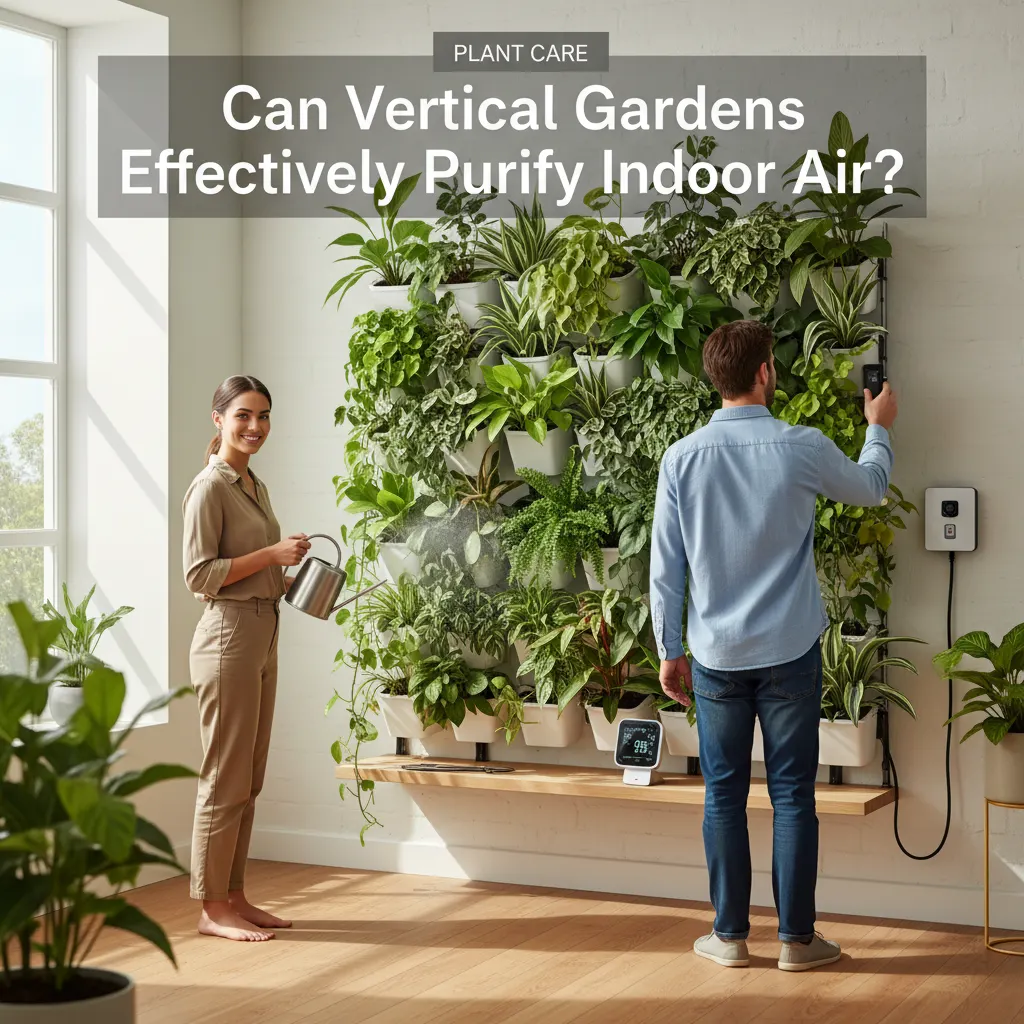
Can Vertical Gardens Effectively Purify Indoor Air?
Yes, vertical gardens can effectively purify indoor air by leveraging plants' natural ability to absorb volatile organic compounds (VOCs) and other pollutants. They enhance air quality through phytoremediation, increasing oxygen levels, and filtering particulate matter, offering a sustainable and aesthetically pleasing solution for healthier indoor environments.
Indoor air quality is a growing concern, with modern homes often trapping pollutants from furniture, cleaning products, and outdoor sources. Vertical gardens offer a beautiful and natural solution to combat these invisible threats, transforming stale indoor air into a fresher, healthier environment. This article explores how these living walls work, the best plants to use, and how to maintain them for optimal air purification.
The Problem: Indoor Air Pollution 💨
Indoor air pollution is a significant health concern, often exceeding outdoor pollution levels. Common indoor pollutants include volatile organic compounds (VOCs) like formaldehyde and benzene, particulate matter, and carbon dioxide. These can originate from everyday items such as paints, carpets, cleaning supplies, and even cooking.
"Indoor air can be 2 to 5 times, and sometimes more than 100 times, more polluted than outdoor air." - EPA.gov
Exposure to these pollutants can lead to various health issues, including respiratory problems, headaches, and fatigue, a phenomenon often referred to as "Sick Building Syndrome." Traditional air purifiers can help, but they often require filters and energy, lacking the aesthetic and biophilic benefits of living plants. Addressing this problem requires a sustainable and integrated approach.
How Do Vertical Gardens Clean Indoor Air? 🌱
Vertical gardens purify air through phytoremediation, where plants absorb airborne toxins like VOCs through their leaves and roots. Microbes in the growing medium also break down pollutants, while increased oxygen release and particulate matter filtration further enhance air quality.
Vertical gardens employ several natural processes to cleanse the air. The primary mechanism is phytoremediation, where plants actively absorb gaseous pollutants through their stomata (tiny pores on leaves). Once inside the plant, these compounds are either metabolized, stored, or converted into less harmful substances.
Beyond the leaves, the root system and the growing medium play a crucial role. Microorganisms residing in the soil or substrate break down VOCs and other toxins, effectively neutralizing them. This symbiotic relationship between plants and microbes significantly enhances the air-purifying capacity of a vertical garden. Additionally, plants release oxygen through photosynthesis and increase humidity, which can help settle airborne dust and particulate matter, further improving air quality.
Best Plants for Air-Purifying Vertical Gardens 🌿
Effective air-purifying plants for vertical gardens include Peace Lilies, Spider Plants, Pothos, Boston Ferns, and Dracaenas. These species are known for their ability to remove common indoor pollutants like formaldehyde, benzene, and xylene, while thriving in vertical setups.
Choosing the right plants is crucial for maximizing air purification. The NASA Clean Air Study identified several common houseplants effective at removing VOCs. For vertical gardens, consider plants that are relatively compact, adaptable to varying light conditions, and have a robust root system.
Here are some top choices:
- Peace Lily (Spathiphyllum): Excellent for removing formaldehyde, benzene, trichloroethylene, and ammonia. They also tolerate low light.
- Spider Plant (Chlorophytum comosum): Highly effective against formaldehyde, xylene, and carbon monoxide. Easy to care for and produces "spiderettes" that can be propagated.
- Pothos (Epipremnum aureum): Known for removing formaldehyde, benzene, and xylene. Very hardy and adaptable, making it ideal for beginners.
- Boston Fern (Nephrolepis exaltata 'Bostoniensis'): A champion at removing formaldehyde and also helps humidify the air. Requires consistent moisture.
- Dracaena (various species): Effective against benzene, formaldehyde, trichloroethylene, and xylene. Many varieties offer diverse foliage.
- Philodendron (various species): Good for removing formaldehyde. They are generally easy to grow and adapt well to indoor conditions.
Tip: Combine different plant types to target a broader spectrum of pollutants and create a visually appealing display.
Benefits of Vertical Gardens for Indoor Air Quality ✨
Beyond pollutant removal, vertical gardens boost oxygen levels, regulate humidity, and reduce airborne dust. They also offer psychological benefits, reducing stress and improving cognitive function, contributing to a healthier and more productive indoor environment.
The advantages of integrating vertical gardens into indoor spaces extend far beyond mere aesthetics. They are dynamic, living air filters that continuously work to improve your environment.
- Enhanced Oxygen Production: Through photosynthesis, plants release oxygen, increasing the overall oxygen levels in your indoor space, which can improve alertness and reduce fatigue.
- Humidity Regulation: Plants naturally release moisture into the air, helping to maintain optimal indoor humidity levels. This can alleviate dry skin, respiratory irritation, and static electricity, especially in air-conditioned or heated environments.
- Particulate Matter Reduction: The leaves of plants can trap airborne dust and other particulate matter, preventing them from circulating in the air you breathe.
- Noise Reduction: The dense foliage of a vertical garden can absorb sound waves, contributing to a quieter and more peaceful indoor environment.
- Psychological Well-being: Exposure to greenery has been shown to reduce stress, improve mood, increase productivity, and enhance cognitive function. This biophilic design element connects occupants with nature, fostering a sense of calm and well-being.
These combined benefits make vertical gardens a holistic solution for creating healthier and more enjoyable indoor spaces.
How to Maintain an Air-Purifying Vertical Garden? 💧
Maintaining an air-purifying vertical garden involves regular watering, appropriate lighting, and occasional fertilization. Pruning dead leaves and monitoring for pests are crucial to ensure plant health and sustained air purification efficiency.
Proper maintenance is key to ensuring your vertical garden remains a vibrant and effective air purifier. While the specific needs vary by plant, general care practices apply.
- Watering: Vertical gardens often require more frequent watering than traditional potted plants due to increased air circulation around the roots. Many systems incorporate automated drip irrigation. If watering manually, check the moisture level of the growing medium regularly.
- Lighting: Most air-purifying plants thrive in bright, indirect light. If natural light is insufficient, especially during winter months or in dimly lit areas, consider supplemental LED grow lights.
- Nutrient Supply: Plants in vertical gardens, especially those in soilless media, will need regular fertilization. Use a balanced liquid fertilizer diluted to half strength every 2-4 weeks during the growing season.
- Pruning and Cleaning: Regularly remove dead or yellowing leaves to encourage new growth and prevent disease. Wipe down leaves periodically to remove dust, which can hinder photosynthesis and pollutant absorption.
- Pest and Disease Management: Inspect your plants regularly for signs of pests or diseases. Address issues promptly with organic pest control methods to keep your garden healthy.
Warning: Overwatering is a common mistake. Ensure your vertical garden system has adequate drainage to prevent root rot.
Expert Tips & Advanced Techniques 💡
To maximize the air purification capabilities of your vertical garden, consider these expert tips and advanced techniques. Integrating smart technology and understanding plant placement can significantly boost efficiency.
- Automated Systems: Invest in a vertical garden system with automated irrigation and nutrient delivery. Some advanced systems even include sensors for soil moisture, light, and air quality, allowing for precise environmental control and reduced maintenance.
- Airflow Optimization: Ensure good air circulation around your vertical garden. Placing it near a fan or in a well-ventilated area can help draw polluted air through the plants more effectively.
- Microbial Enhancement: Some studies suggest that introducing beneficial microbes to the growing medium can enhance the breakdown of certain pollutants. Research specific microbial inoculants suitable for your plants.
- Strategic Placement: Position your vertical garden in areas with higher pollutant concentrations, such as near entryways, kitchens, or offices where VOCs from electronics or furniture might be present.
- Plant Rotation: While not always necessary, rotating plants or occasionally replacing older ones can maintain peak purification efficiency, especially if some plants show signs of stress or reduced vigor.
- Hydroponic/Aeroponic Systems: These soilless systems can offer faster growth rates and potentially higher purification efficiency due to direct nutrient delivery and optimized root exposure. They often require more technical setup but can be very effective.
Common Problems & Troubleshooting 🛠️
Even with the best intentions, vertical gardens can encounter issues. Here's how to troubleshoot common problems to keep your air-purifying system thriving.
- Problem: Yellowing Leaves
- Cause: Often due to overwatering, underwatering, or nutrient deficiency.
- Solution: Check soil moisture. If soggy, reduce watering. If dry, increase. Consider a balanced liquid fertilizer.
- Problem: Brown Leaf Tips
- Cause: Low humidity, fluoride in water, or nutrient burn.
- Solution: Increase humidity with misting or a humidifier. Use filtered water. Flush the system if using hydroponics.
- Problem: Stunted Growth
- Cause: Insufficient light, lack of nutrients, or root bound.
- Solution: Move to a brighter location or add grow lights. Fertilize regularly. Check if plants need repotting into larger pockets.
- Problem: Pests (e.g., Fungus Gnats, Spider Mites)
- Cause: Overwatering, poor air circulation, or new infected plants.
- Solution: Allow soil to dry out between waterings. Improve airflow. Use neem oil or insecticidal soap. Isolate new plants.
- Problem: Algae Growth in Hydroponic Systems
- Cause: Light exposure to nutrient solution.
- Solution: Cover reservoirs to block light. Algae competes for nutrients and can clog systems.
FAQ Section ❓
How much space does a vertical garden need to purify air effectively?
The effective space needed depends on the density of plants and the volume of the room. Generally, a vertical garden covering 10-20 square feet with dense foliage can significantly impact air quality in a medium-sized room (around 200-300 sq ft). The more plants, the greater the purification capacity.
Can vertical gardens help with allergies?
Yes, vertical gardens can indirectly help with allergies by reducing airborne dust and particulate matter, which can carry allergens. However, it's crucial to choose non-allergenic plants and ensure proper maintenance to prevent mold growth in the growing medium, which could exacerbate allergies.
What is the cost of installing and maintaining an air-purifying vertical garden?
The cost varies widely. DIY systems can range from $50-$200. Modular, pre-built systems can cost $300-$1000+, while professionally installed living walls can be several thousand dollars. Maintenance costs include plants, growing media, fertilizer, water, and electricity for lights/pumps, typically $10-$50 per month depending on size and automation.
Do vertical gardens require special lighting for air purification?
While many air-purifying plants tolerate lower light, optimal light conditions are crucial for robust growth and maximum purification efficiency. If natural light is insufficient (e.g., less than 6 hours of bright, indirect light), supplemental LED grow lights are highly recommended to ensure plants thrive and actively purify the air.
How do I choose the right vertical garden system for air purification?
Consider factors like your budget, available space, desired aesthetic, and maintenance commitment. Options include pocket planters, modular panels, hydroponic systems, and felt systems. For air purification, prioritize systems that allow for dense planting and good root aeration, and consider integrated watering systems for ease of care.
Conclusion: Breathe Easier with Vertical Gardens
Vertical gardens offer a powerful, sustainable, and aesthetically pleasing solution for improving indoor air quality. By harnessing the natural air-purifying capabilities of plants, these living walls effectively remove harmful pollutants, increase oxygen levels, and enhance overall well-being.
- Key Takeaway 1: Vertical gardens utilize phytoremediation and microbial action to break down VOCs and other airborne toxins.
- Key Takeaway 2: Strategic plant selection (e.g., Peace Lilies, Pothos, Spider Plants) is vital for maximum purification.
- Key Takeaway 3: Beyond air cleaning, they offer benefits like humidity regulation, noise reduction, and psychological uplift.
- Key Takeaway 4: Consistent watering, proper lighting, and regular pruning are essential for a healthy, effective vertical garden.
Embrace the power of nature to transform your indoor environment. Start small with a DIY system or invest in a sophisticated living wall; either way, you'll be taking a significant step towards a healthier, greener home or office. Begin your journey to cleaner air today!
Summary and Next Steps
- Use plants as support, not a cure-all: Vertical gardens can improve indoor air quality, but ventilation and source control still matter.
- Choose practical species: Pothos, philodendron, ferns, peace lilies, and other adaptable plants suit many indoor wall systems.
- Design for maintenance: Easy watering, drainage, pruning, and light access keep the system healthy.
- Scale to the room: A small plant wall helps most when it is healthy, well-lit, and matched to the space.
Next, choose a bright wall or shelf area, select three reliable indoor plants, and build a maintainable air-purifying vertical garden before expanding.