
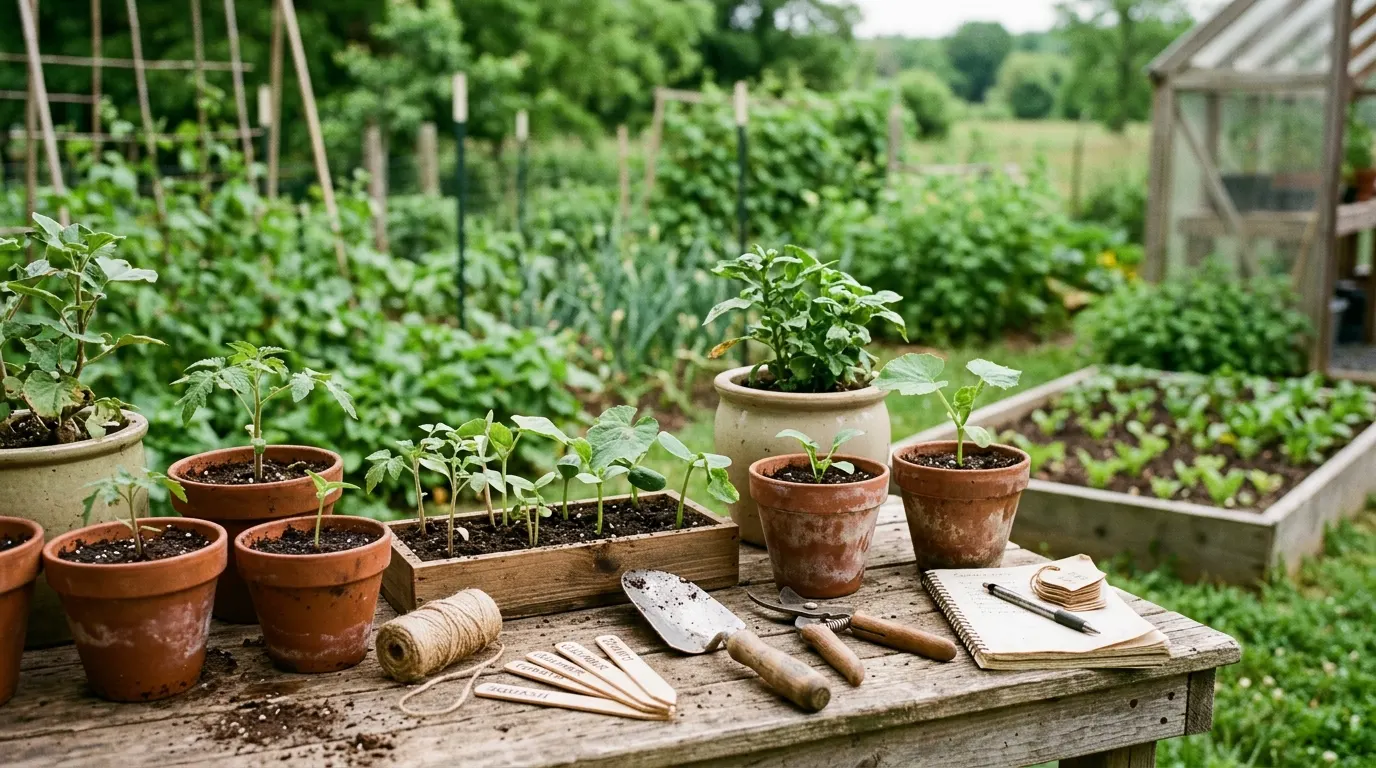
What to Plant in June for a Massive Family Harvest 🌽
Answer Block: To secure a massive family harvest, plant fast-maturing, high-yielding crops in June tailored to your USDA Hardiness Zone. In Zones 3–5, direct-sow quick cool-season greens and bush beans. In Zones 6–8, plant warm-season staples like sweet corn, summer squash, and cucumbers. For hot Zones 9–11, focus on heat-tolerant powerhouses like okra, sweet potatoes, and southern peas that thrive in intense summer sun.
June is a magical transitional month for American gardeners. While spring transplants are already established, the warm June soil triggers rapid seed germination, allowing direct-sown crops to catch up and often outyield spring-planted varieties. By choosing the right crops for your specific region, you can turn your backyard into a highly productive grocery store for the entire family.
Why June Planting Can Fail Without Zone-Specific Planning ⚠️
Mini Answer Block: June planting fails when gardeners ignore USDA Hardiness Zones, sowing cool-season crops in scorching southern heat or warm-season crops too late in short-season northern climates. Matching crop heat tolerance to your specific zone ensures continuous, abundant family harvests.
Many gardeners make the mistake of buying whatever seeds are left on the garden center racks in June. Sowing cool-weather crops like spinach or head lettuce in the heat of a southern June leads to instant bolting and bitter leaves. Conversely, planting long-season watermelons in northern zones during June may not leave enough frost-free days for the fruit to mature.
To avoid these pitfalls, you must understand your local USDA Hardiness Zone. June gardening is all about working with the heat, not against it. By selecting crops that thrive in your current soil temperatures, you ensure rapid growth and a much larger yield.
The June Planting Blueprint: High-Yield Crops by USDA Zone 🗺️
Mini Answer Block: Maximize your family garden by planting zone-appropriate crops in June. Northern zones (3-5) excel with fast-growing greens and bush beans, central zones (6-8) thrive with corn, squash, and cucumbers, while southern zones (9-11) require heat-tolerant okra, sweet potatoes, and melons.
Zones 3–5: Short-Season Powerhouses 🌱
Gardeners in northern states have short growing seasons, but the long summer days of June offer explosive growth potential. Focus on fast-maturing crops that can be harvested before the early autumn frosts.
- Crops & Seeds: Bush beans (Provider, Contender), Radishes, Spinach, and Kale.
- Vegetables: Zucchini, Swiss chard, and early-season Cabbage.
- Fruits: Everbearing Strawberry transplants and fast-maturing Cantaloupe.
Zones 6–8: Mid-Summer Staples ☀️
These central zones enjoy a long, warm summer. June is the absolute peak time to direct-sow classic summer vegetables that love warm soil and full sun.
- Crops & Seeds: Sweet corn, Sunflowers (for edible seeds), and Pole beans.
- Vegetables: Summer squash, Cucumbers, and Pepper transplants.
- Fruits: Watermelon (Sugar Baby) and Cantaloupe.
Zones 9–11: Heat-Loving Giants 🔥
In the deep South and desert Southwest, June brings intense heat. Traditional summer crops will struggle, so you must plant heat-tolerant varieties that thrive in high temperatures.
- Crops & Seeds: Southern peas (cowpeas), Okra, and Malabar spinach.
- Vegetables: Sweet potato slips, Eggplant transplants, and Hot peppers.
- Fruits: Heat-tolerant Watermelons and container-grown Fig trees.
How to Direct-Sow June Seeds for Maximum Germination 🚀
Mini Answer Block: Direct-sowing in June requires consistent moisture and shallow planting depths to prevent seeds from drying out in the summer sun. Utilizing shade cloths and mulching immediately after sowing guarantees rapid, uniform germination for a larger family harvest.
- Prepare the Seedbed: Clear out any spent spring crops and add a fresh two-inch layer of organic compost to boost soil nutrients.
- Sow at the Correct Depth: Plant seeds at a depth equal to twice their width, ensuring they have good contact with the moist soil.
- Water Deeply and Daily: June sun dries out the top inch of soil quickly; water gently twice a day until seedlings emerge.
- Apply Light Mulch: Scatter a thin layer of clean straw or grass clippings over the planting area to retain moisture and cool the soil.
Essential Tools and Supplies for June Gardening 🛠️
Mini Answer Block: Successful June planting relies on tools that manage heat and moisture. High-quality drip irrigation kits, organic straw mulch, shade cloths, and liquid seaweed fertilizers are essential supplies to protect young seedlings and boost overall crop yields.
- Drip Irrigation Kit: Delivers water directly to the roots, reducing evaporation and preventing fungal diseases.
- Shade Cloth (30% to 40%): Protects delicate young seedlings from the intense afternoon sun.
- Organic Straw Mulch: Keeps soil temperatures cool and prevents weed seeds from germinating.
- Liquid Seaweed Fertilizer: Provides a gentle nutrient boost to help young plants establish strong root systems.
Troubleshooting Common June Gardening Challenges 🐛
Mini Answer Block: June gardens face intense pest pressure, rapid soil drying, and weed competition. Overcome these hurdles by installing drip irrigation, applying thick organic mulch, and using organic pest controls like neem oil or row covers to protect vulnerable young plants.
- Problem: Seedlings are wilting and dying.
Solution: Install a temporary shade cloth over your planting beds and water early in the morning to ensure deep moisture penetration. - Problem: Pests are eating young leaves.
Solution: Use lightweight insect row covers immediately after sowing, or apply organic neem oil spray in the late evening to deter pests. - Problem: Weeds are choking out young crops.
Solution: Apply a three-inch layer of organic mulch around established seedlings to smother weeds and retain soil moisture.
Expert Tips for Succession Planting in Summer 📈
Mini Answer Block: Keep your family table full by succession planting fast-growing crops every two weeks throughout June. Sowing bush beans, zucchini, and salad greens in staggered intervals prevents a single overwhelming harvest and ensures a steady supply of fresh food.
- Stagger Your Sowing: Plant a new row of bush beans or zucchini every 10 to 14 days to guarantee a continuous harvest into autumn.
- Utilize Companion Planting: Plant tall sweet corn to act as a natural trellis for climbing beans, while planting squash below to shade the soil.
- Keep Records: Note down germination times and harvest yields in a garden journal to optimize your planting schedule for next June.
Frequently Asked Questions About June Planting 💬
Can I still plant tomatoes in June? 🍅
Yes, you can plant tomatoes in June, but you should use established transplants rather than starting from seed. Choose fast-maturing determinate varieties or cherry tomatoes to ensure you get a heavy harvest before the first autumn frost.
What is the fastest-growing vegetable to plant in June? ⚡
Radishes and bush beans are the fastest-growing vegetables for June planting. Radishes can be harvested in as little as 21 days, while bush beans will begin producing heavy yields for your family in about 50 to 55 days.
How often should I water newly planted June seeds? 💧
Newly planted seeds in June should be watered at least once, and often twice, daily. The goal is to keep the top inch of soil consistently moist but not soggy until the seedlings successfully emerge.
Is it too late to plant corn in June? 🌽
It is not too late to plant corn in June for most USDA zones. Choose a variety with a maturity date of 75 to 85 days to ensure it has plenty of warm weather to develop sweet, full ears.
How do I protect young June seedlings from extreme heat? ⛱️
Protect young seedlings by erecting a temporary shade cloth that blocks 30% to 50% of the harsh afternoon sunlight. Additionally, apply a thick layer of organic mulch around the base of the plants to keep root temperatures cool.
What fruits can be planted in June? 🍓
In June, you can plant container-grown fruit trees, everbearing strawberry transplants, and fast-growing melons like cantaloupe and watermelon. Ensure they receive full sun and consistent deep watering to establish their roots.
Summary of Your June Planting Strategy 📝
- Know Your Zone: Always match your June crop selection to your specific USDA Hardiness Zone.
- Protect the Soil: Use organic mulch and shade cloths to keep soil cool and retain vital moisture.
- Sow for Succession: Plant fast-growing crops in staggered intervals for a continuous family harvest.
- Water Wisely: Transition to deep drip irrigation to support rapid summer growth and prevent disease.
FAQ: What to Plant in June
Is June too late to start a vegetable garden?
June is not too late if you choose crops that match your climate and days to maturity. Warm-season vegetables like beans, cucumbers, squash, okra, and basil establish quickly in warm soil. In cooler zones, use fast crops and transplants to shorten the harvest window.
What vegetables grow fastest when planted in June?
Radishes, bush beans, summer squash, cucumbers, lettuce in partial shade, arugula, and some baby greens can produce quickly from June sowing. Check seed packets for days to maturity and choose varieties under 60 days when your season is short.
Should I plant seeds or transplants in June?
Use both. Direct-sow fast crops like beans, squash, cucumbers, radishes, and corn where conditions are warm. Use transplants for tomatoes, peppers, herbs, and slower crops so they have enough time to mature before heat, frost, or seasonal changes.
How do I protect June plantings from heat?
Water deeply, mulch exposed soil, plant during cooler parts of the day, and use shade cloth during heat waves. Young seedlings dry out quickly in June sun, so consistent moisture during the first two weeks is critical for strong establishment.